
Shanghai and Suzhou
This morning we leave Shanghai for our next destination, so before that happens, I want to share about my experiences the last two days. We had a Shanghai day followed by a day trip to Suzhou, about two hours’ drive.
I’m sorry I can’t share more photos, I’m hoping the next hotel will work with my VPN so I can upload photos to my Google albums. But it’s possible mass photo uploading will have to wait until I’ve left China. So I’ll just share a few pics here.
Shanghai
Fuxing Park
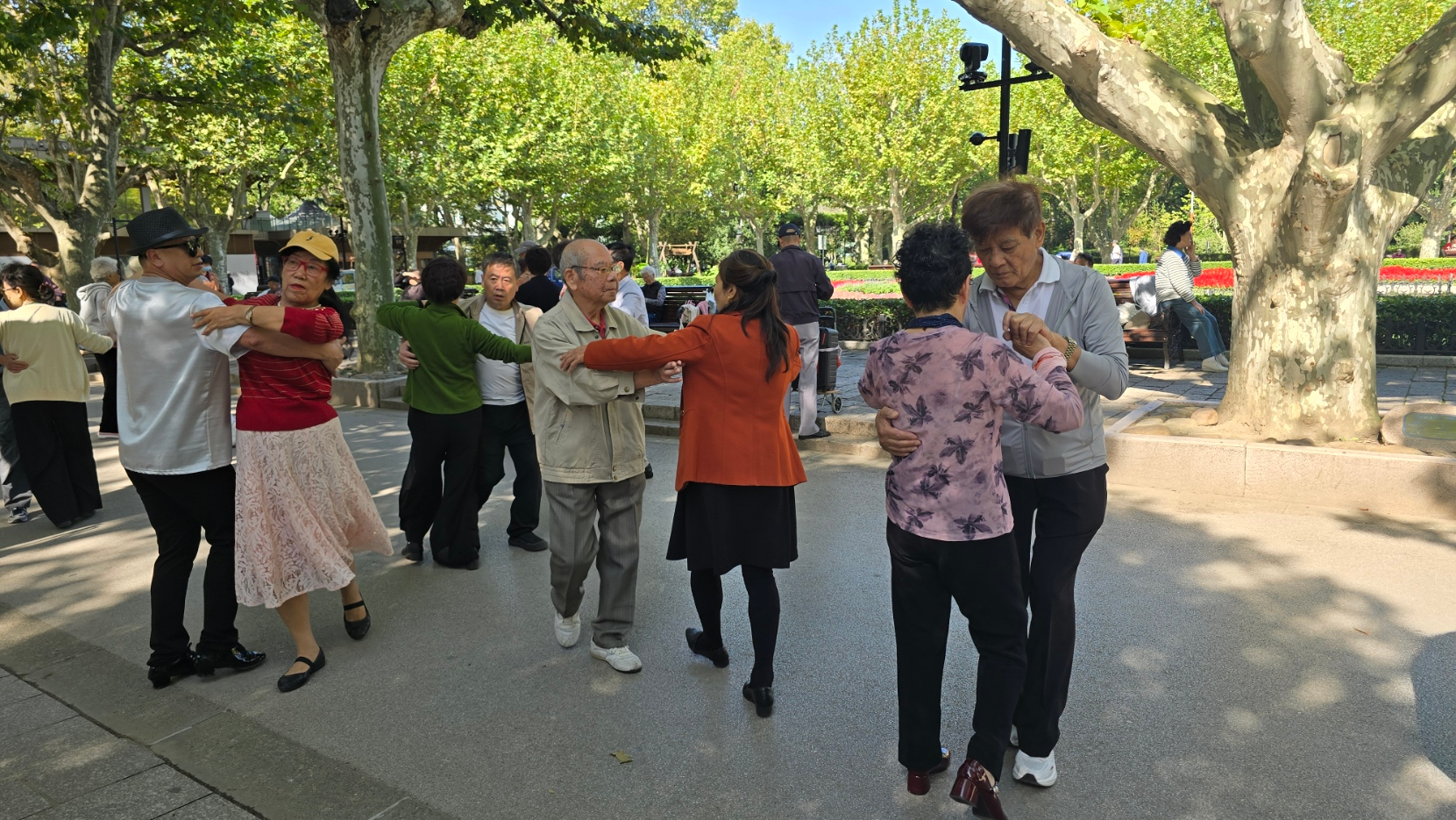
Our visit to Fuxing Park Wednesday morning was probably the emotional highlight of the trip so far. I wish I could share all the photos and videos I took, but they will have to wait.
In this park were gathered Shanghai residents enjoying a beautiful morning. But it was not what you’d imagine if you’ve ever gone to a park in the USA. People weren’t strolling or riding bikes. Some were relaxing on park benches, but most were engaged in some kind of organized activity. There were at least three different dancing groups, each with their own music (which sometimes competed). They invited us to join them, and I danced some sort of hybrid swing dance with a few different partners. There was also a group with maracas and castanets pretty much just bouncing and shaking and tapping and clapping to their recorded music.
Most special were the singing groups. Let me tell you, these people could sing! I am not sure what they were singing, but I stood alongside them and listened and tried to follow on their sheet music, which used a numerical notation I had trouble following. For a while I enjoyed them by myself before the rest of my group caught up, and then they began singing familiar tunes (Jingle Bells, Auld Lang Syne) and we all sang together, half of us in English and the other half in Mandarin.
French Concession
After the British defeated China in the First Opium War, a series of “unequal treaties” was put into effect between China and various western imperial powers. These gave countries like France the right to establish concessions in China. These concessions were basically territories administered and occupied by foreign governments.
The French established their concession in Shanghai in 1849. It started small, about .73 square kilometer. But by 1914, it had grown to more than 10 square km. For much of the twentieth century, it was the premier residential and retail district of Shanghai.
We took a walk through the neighborhood, which has undergone some changes but has more recently been restored. Still, most of the grand single-family homes are now multi-family apartment buildings.
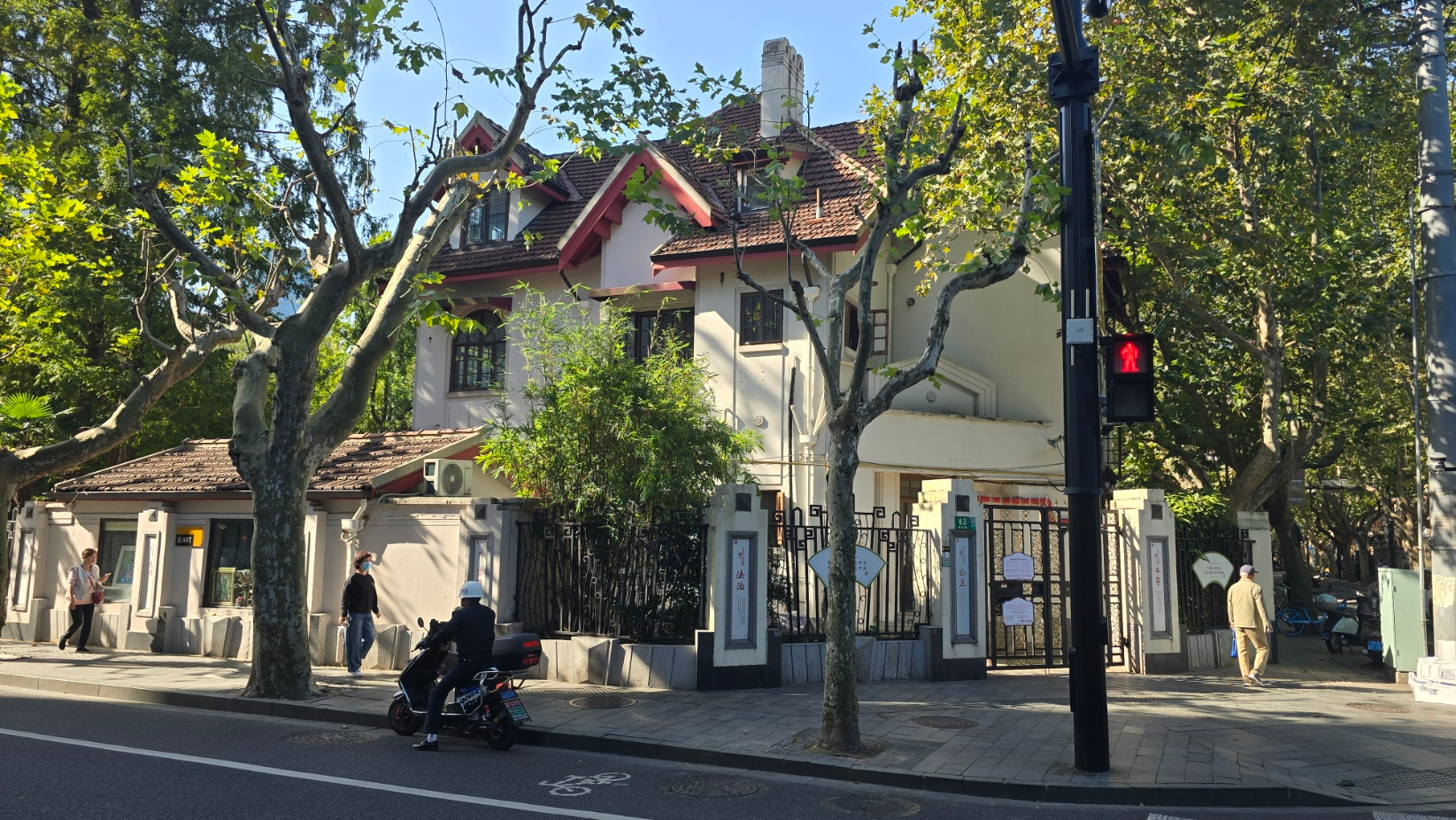
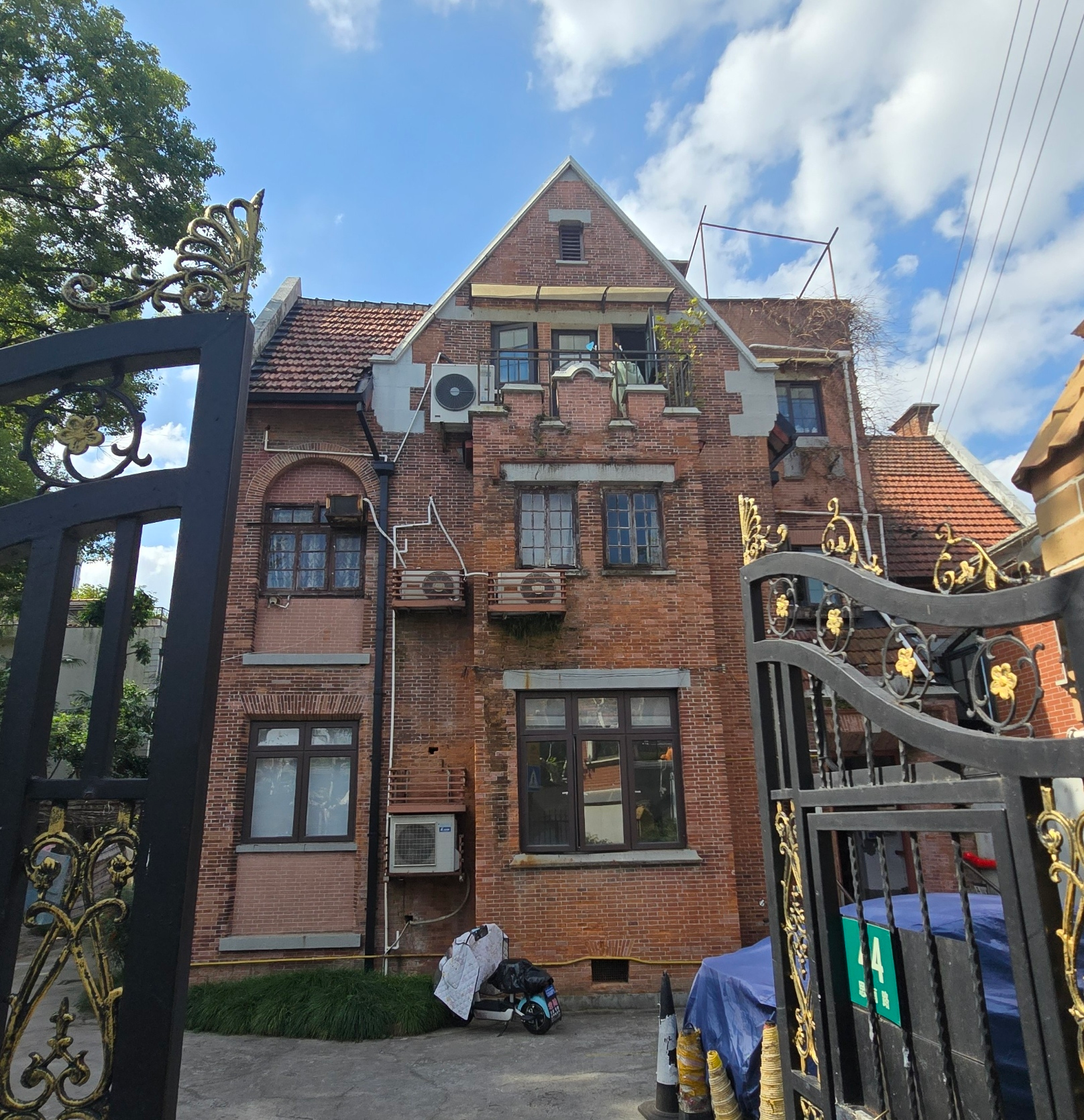
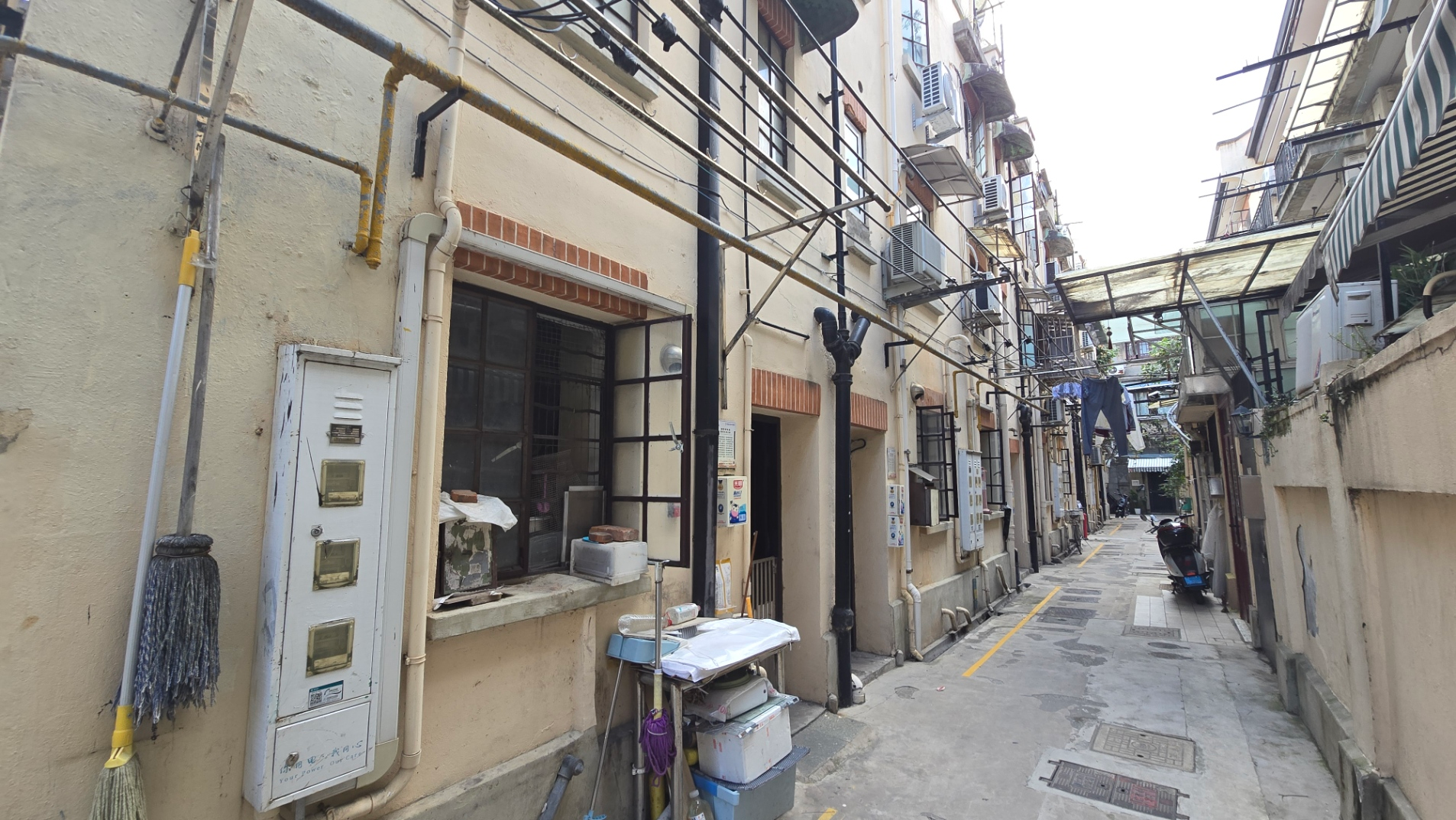
There are also neighborhoods in the French Concession with attached houses that were originally for one family. You now see multiple electric meters on the front of each house.
Pudong
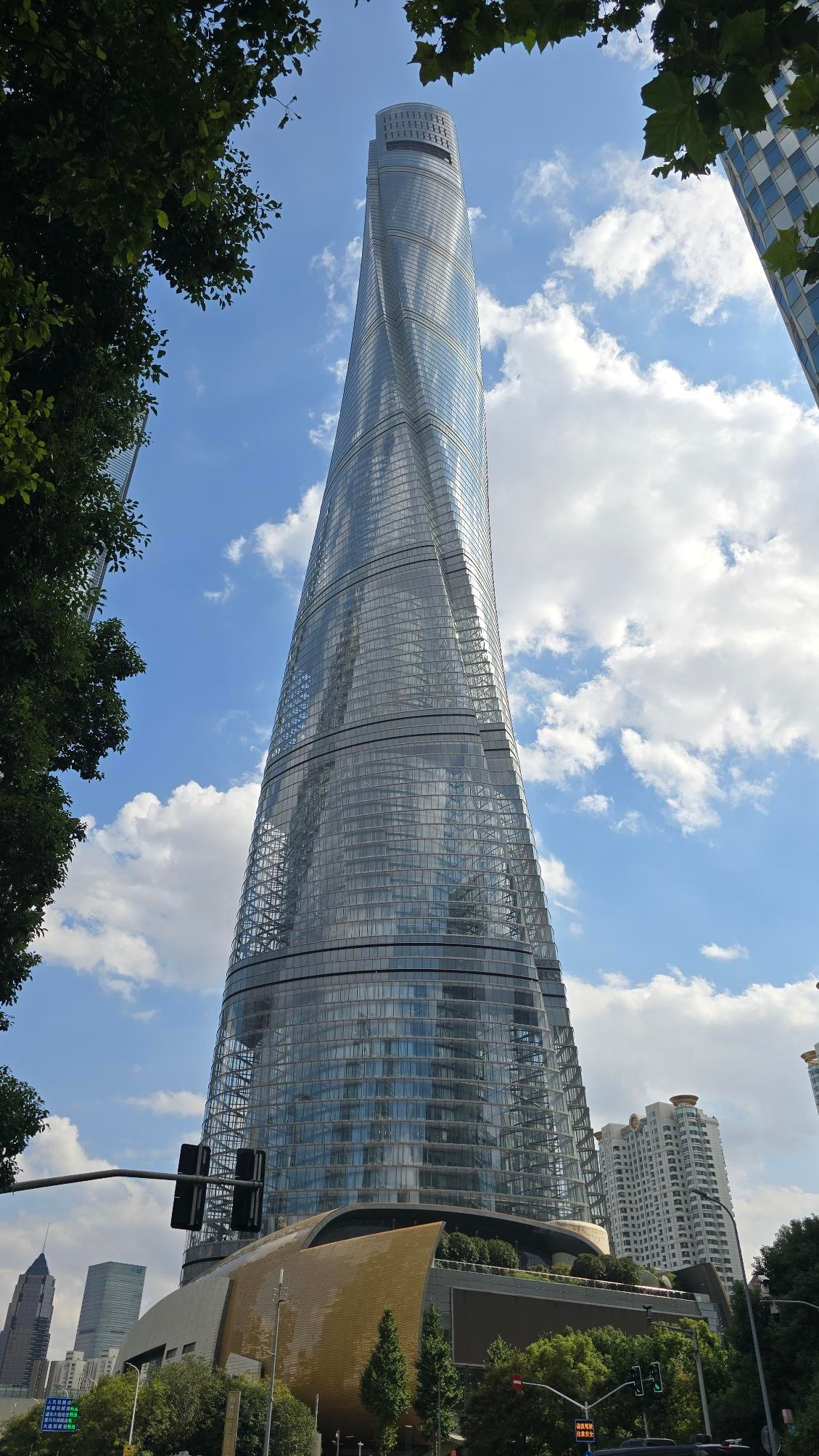
Our next stop was Pudong, the area east of the Huangpu. (“Pudong” literally means “east riverbank.”) This is the area with all the brilliant skyscrapers I posted about in my Shanghai orientation.
Shanghai Museum East
After lunch, we had free time, and I took the opportunity to visit the Shanghai Museum East. One of my fellow travelers, Cathy from southern California, joined me.
This astonishing museum opened in 2024 and has more empty space than I’ve ever seen in a museum. It also has a glorious collection of treasures from Chinese history: ceramics, bronzes, painting and calligraphy, jade, and more. I’m not entirely sure, but I would guess this is much of what didn’t make it to Taiwan when Chiang Kai-shek brought all the treasures there in 1948–49 (the stuff I saw last week in the National Palace Museum).
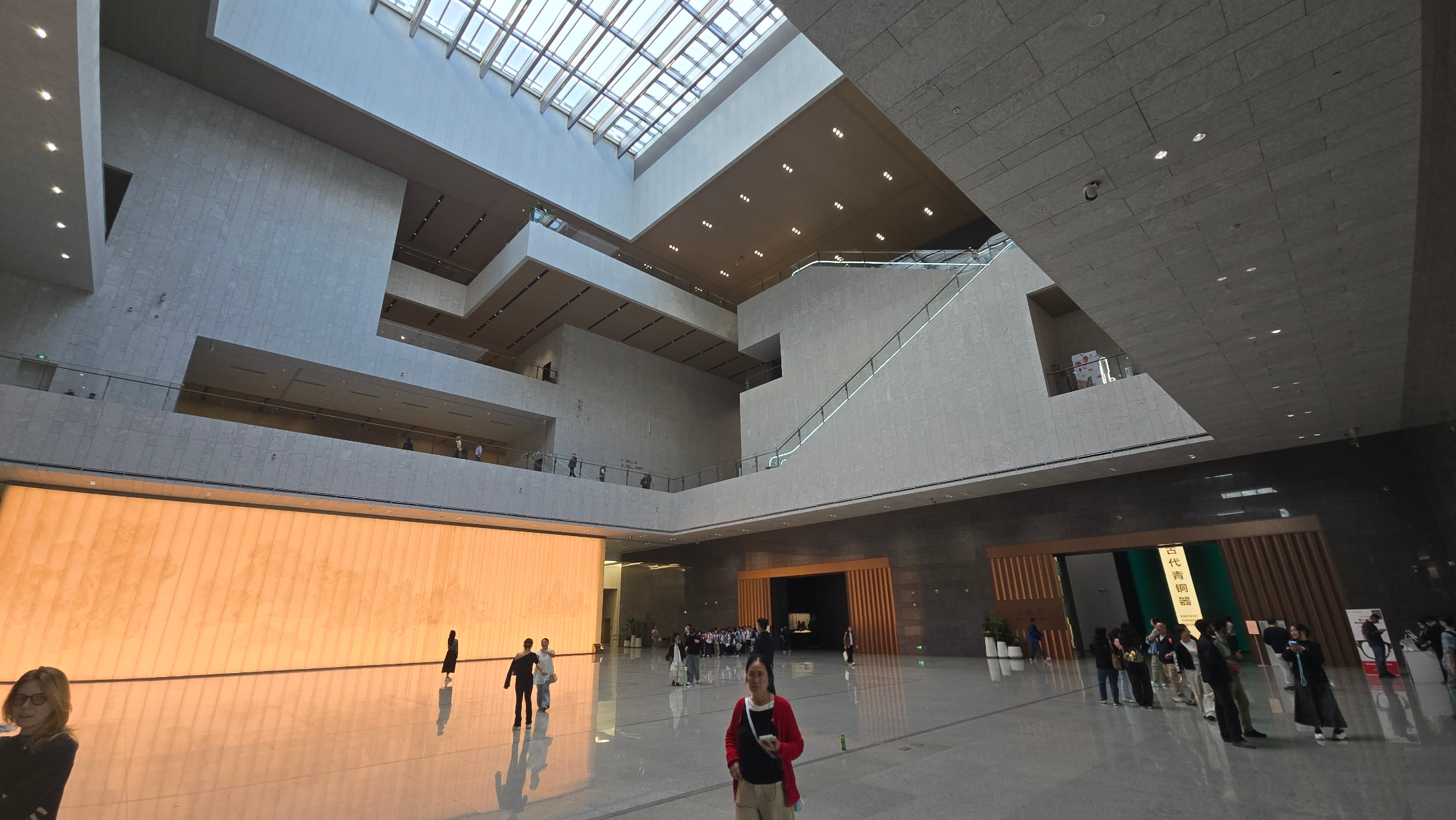
I’m afraid you’ll have to wait to see my photos of favorites from the collection. Cathy kept laughing at me because I of all the photos I took. Every time I turned around, there was something magnificent.
Suzhou
Suzhou (pronounced like the names of your two friends, Sue and Joe) is known as the Venice of the East. That is an exaggeration, but it is crisscrossed by numerous canals, and it has a lot of charm.
Couple’s Garden
Suzhou has nine gardens listed by UNESCO as “masterpieces“of classical Chinese garden design. The one we visited, the Couple’s Garden or Couple’s Retreat, was lovely.
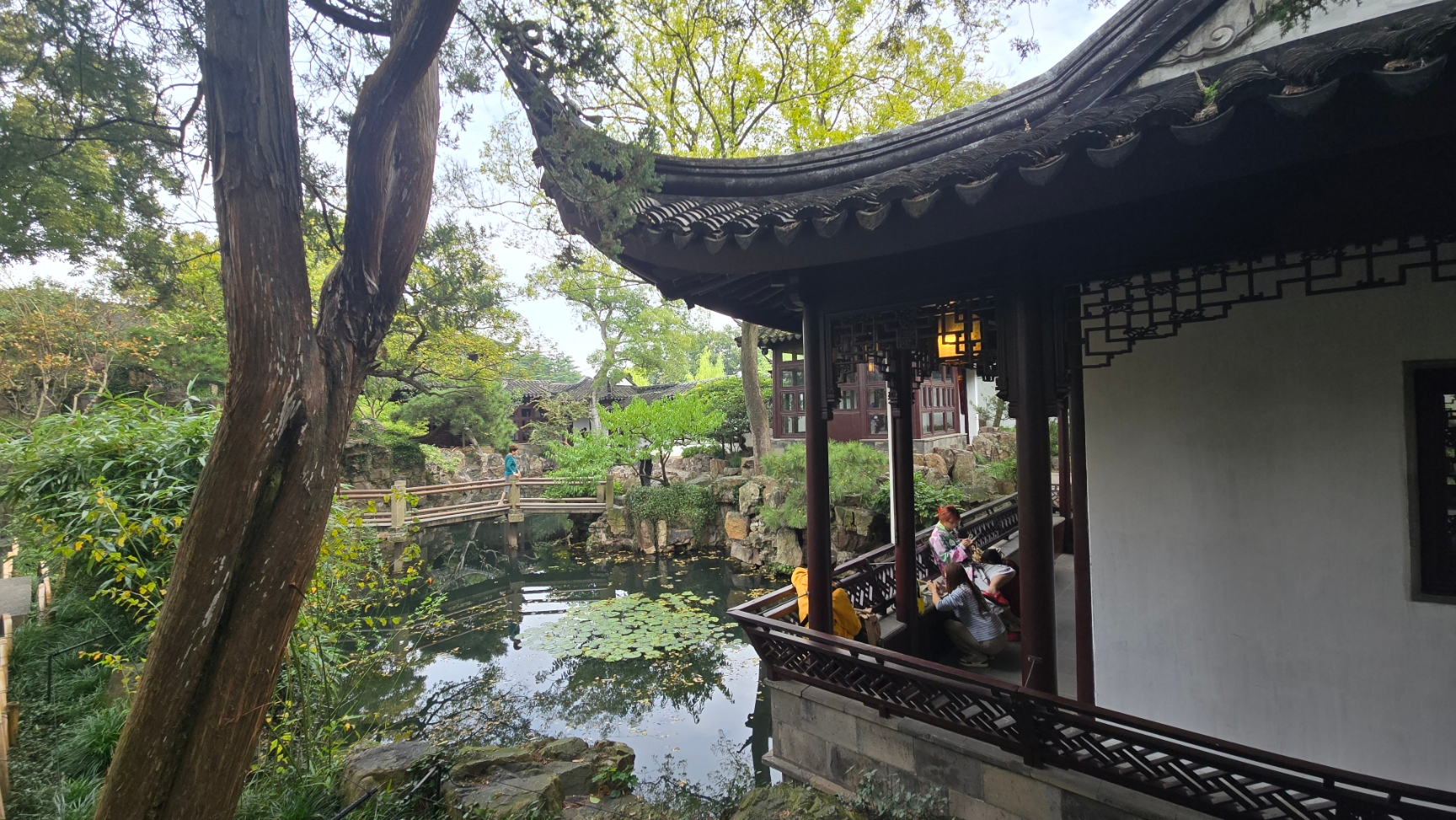
A man named Lu Jin built the first garden here in the 1740s. He excavated the pond, planted flowers and trees, erected pavilions and terraces, and channeled a stream from the nearby canal. Then, in the 1870s, Shen Bingcheng, a retired government official, moved here with his wife, Yan Yonghua, bought the garden, and together they reshaped it into the Couple’s Retreat.
Silk Factory
Next we visited a silk factory, where we got a lesson on how silk is produced and an opportunity to buy. Which I didn’t do.
Xiyuan Temple
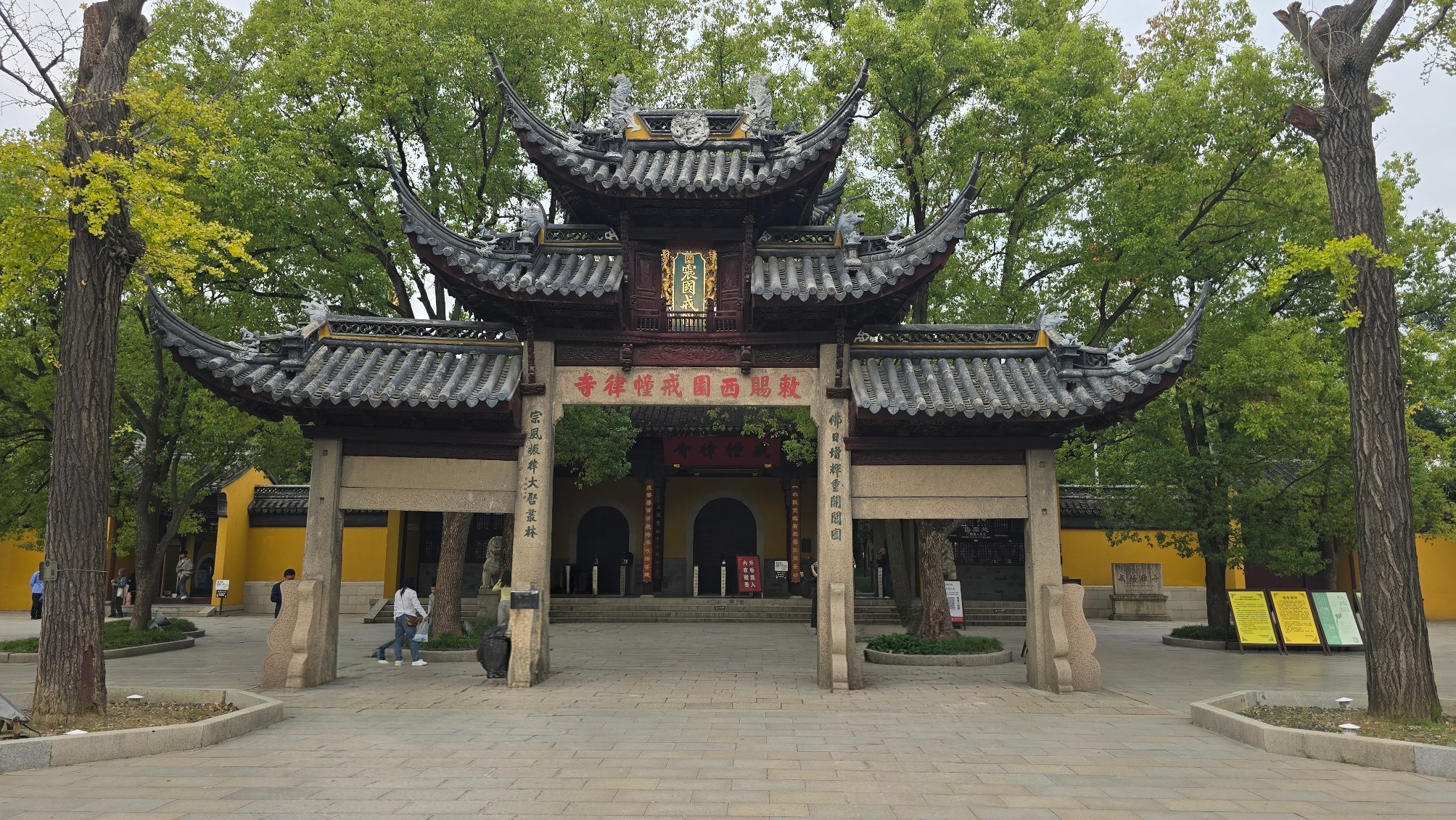
Our final stop in Suzhou was this Buddhist temple, founded during the Yuan Dynasty (13th to 14th centuries, during the Mongol empire’s rule of China). It is not nearly as grand as some of the Buddhist temples I’ve seen elsewhere.
I’m really sorry this post is so lacking in story or history. Without photos to illustrate my experiences, I’m struggling to make it as interesting in words as it has been to see. I’m learning so much about Chinese history and culture. Everywhere I go, whether it’s something special and wonderful or something odd or disturbing, I’m in a constant state of awe. I know I’ve only been in China for a few days, and only in Shanghai and nearby, but I’m already completely entranced by this wonderful country.