
Madagascar Part Two: Andasibe to Ranomafana
Not everything on this tour of Madagascar is about lemurs. After we left Andasibe on Tuesday morning, we spent a few days of non-lemur-related activities. Yesterday we arrived in Ranomafana, and we got back to lemurs (as well as other wildlife), but we had two days of other stuff that was enjoyable, impressive, surprising, and enlightening.
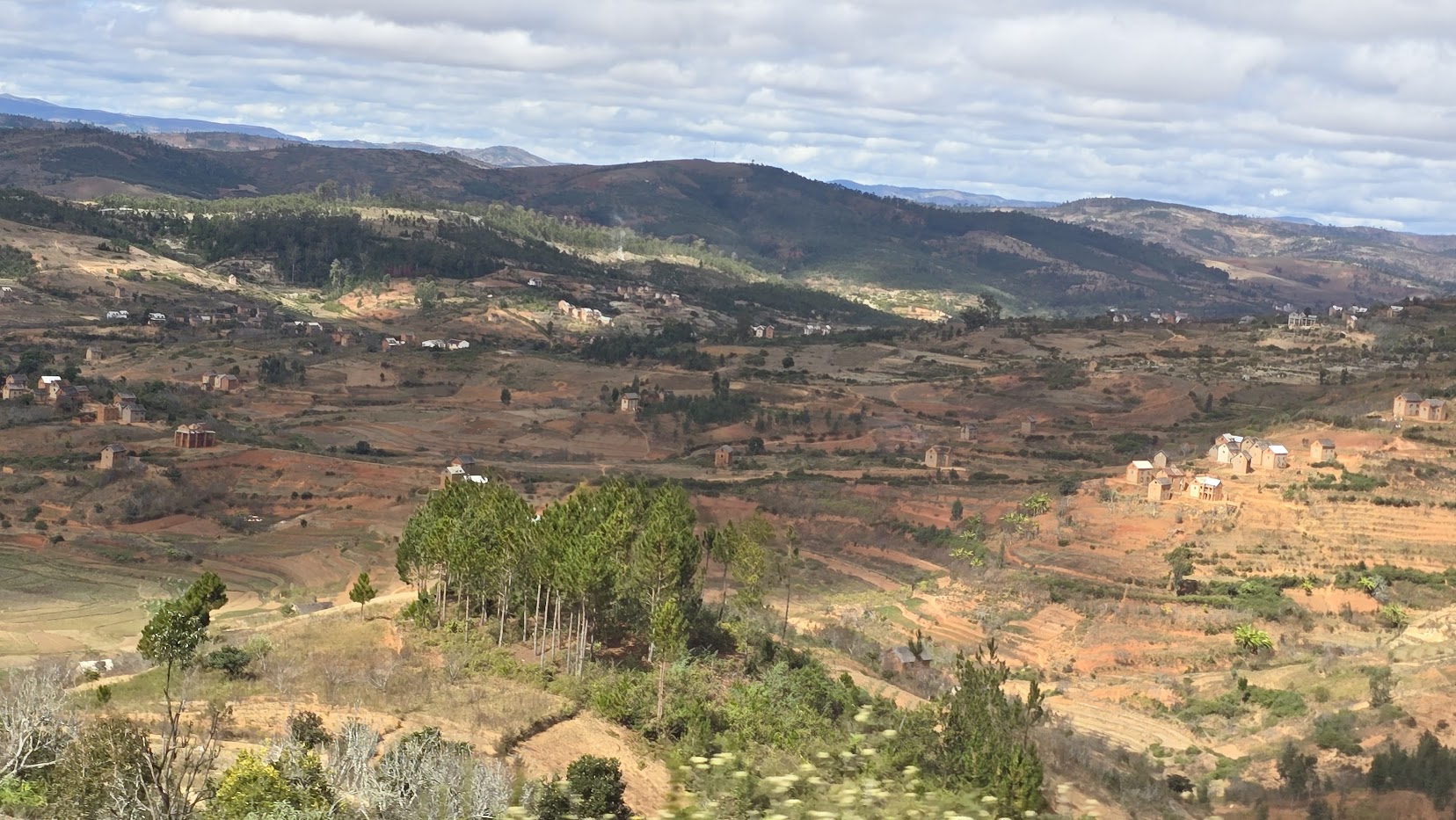
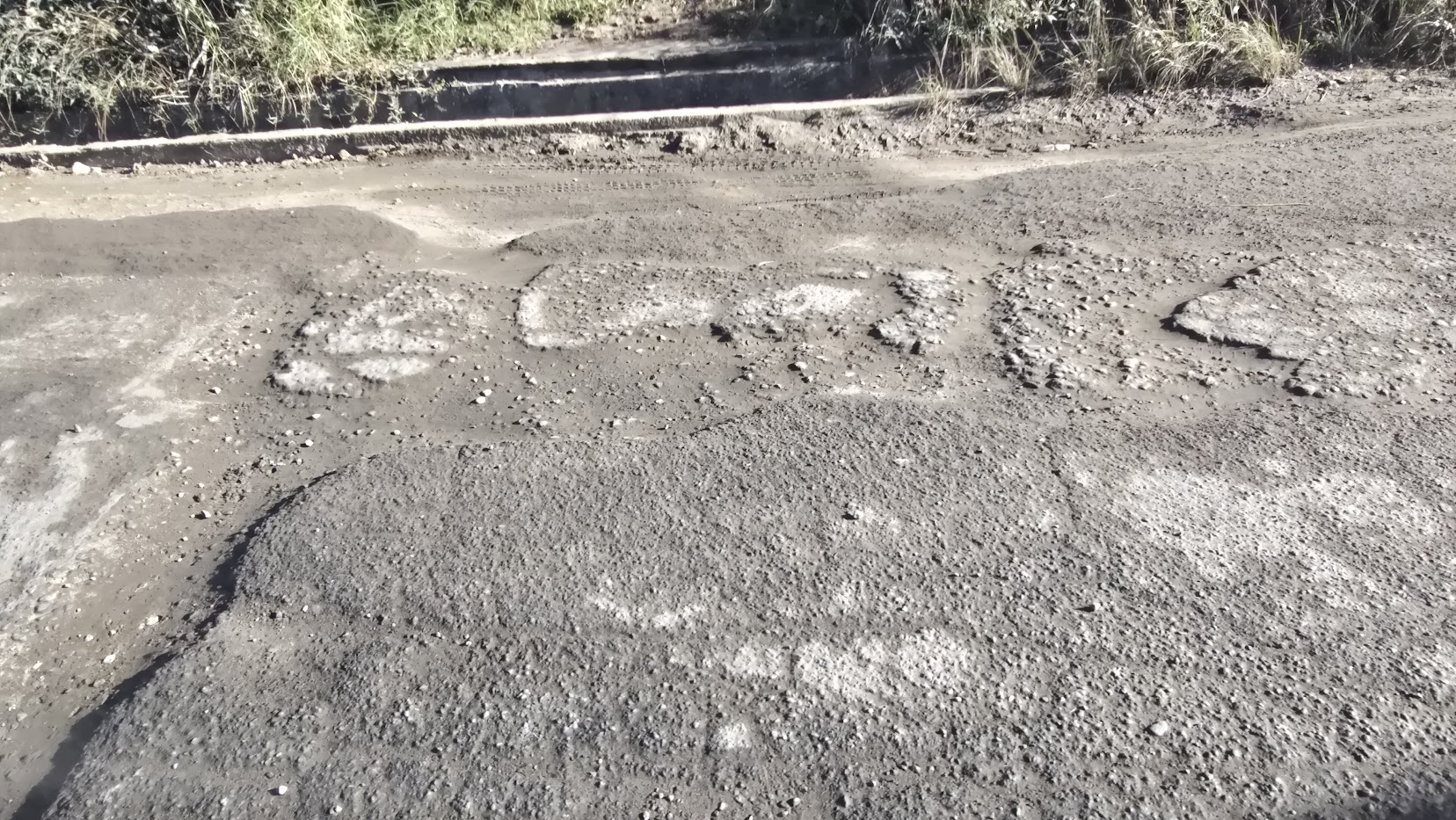
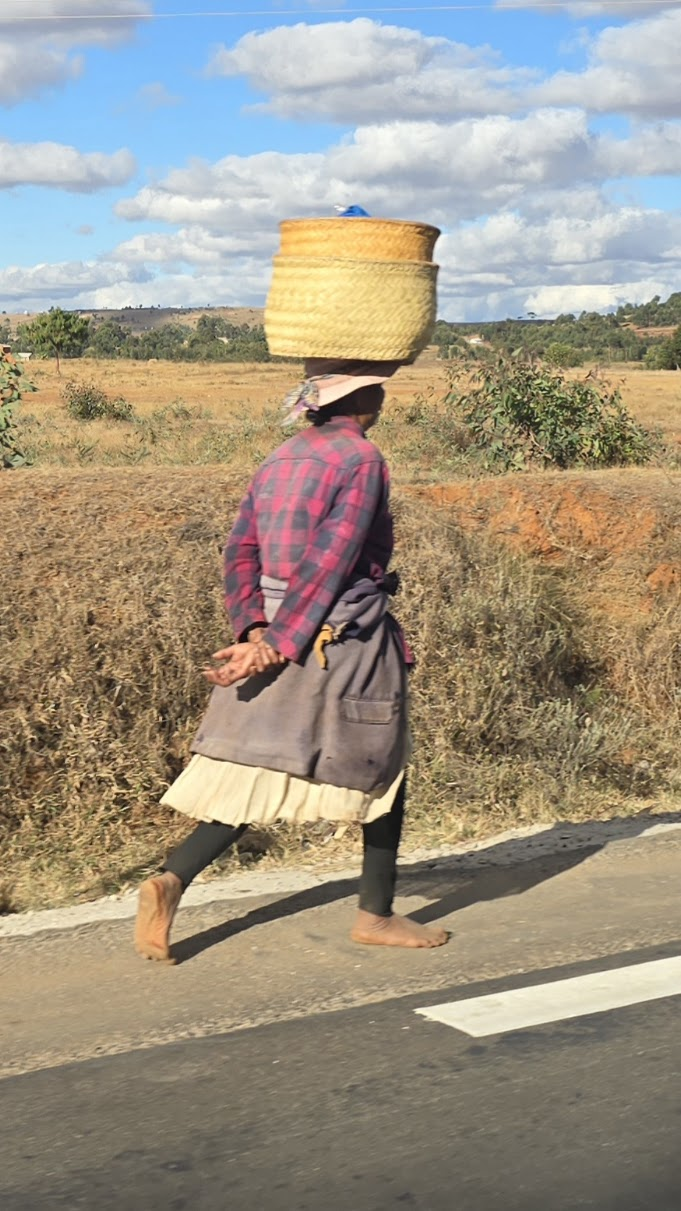
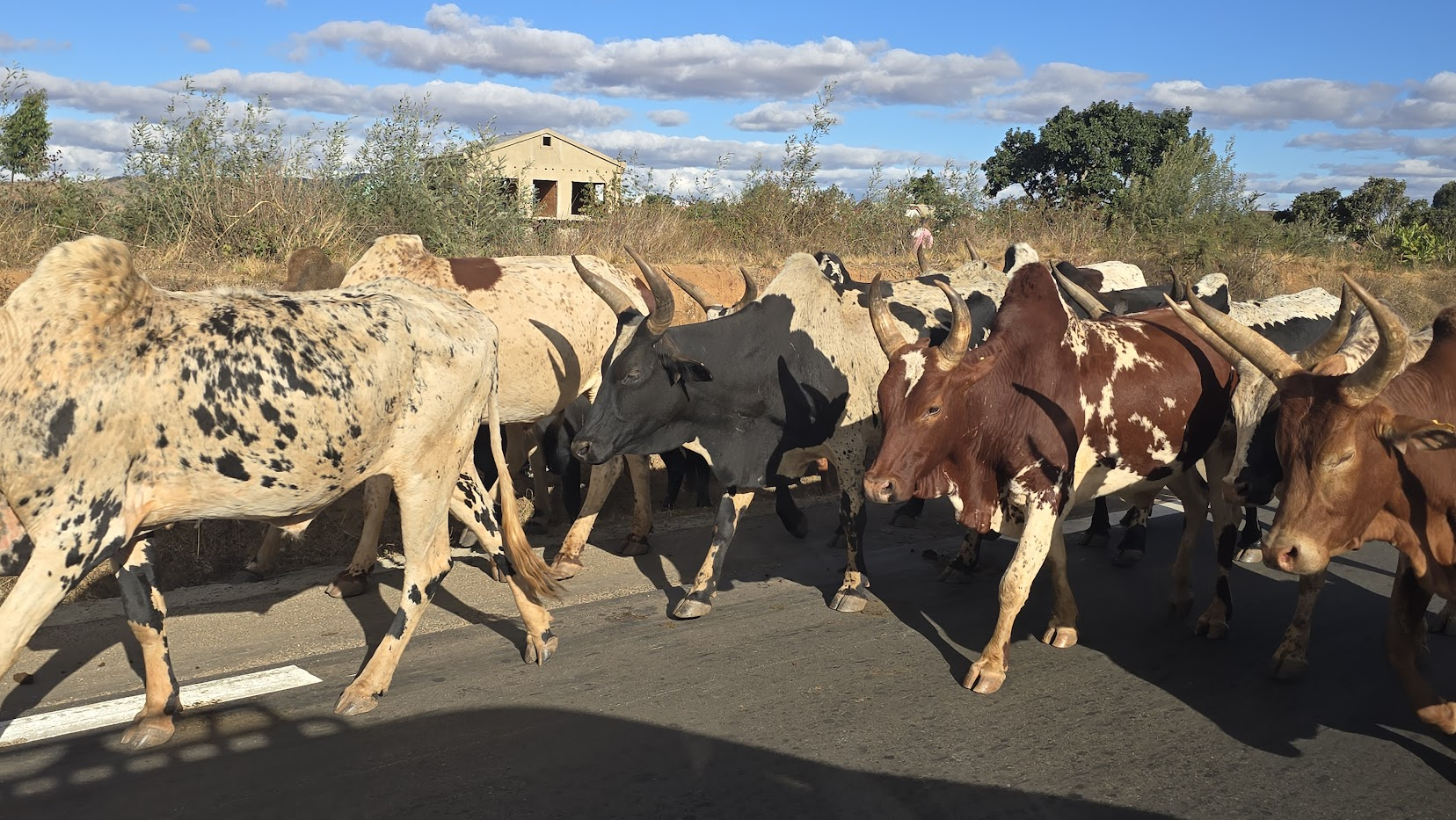
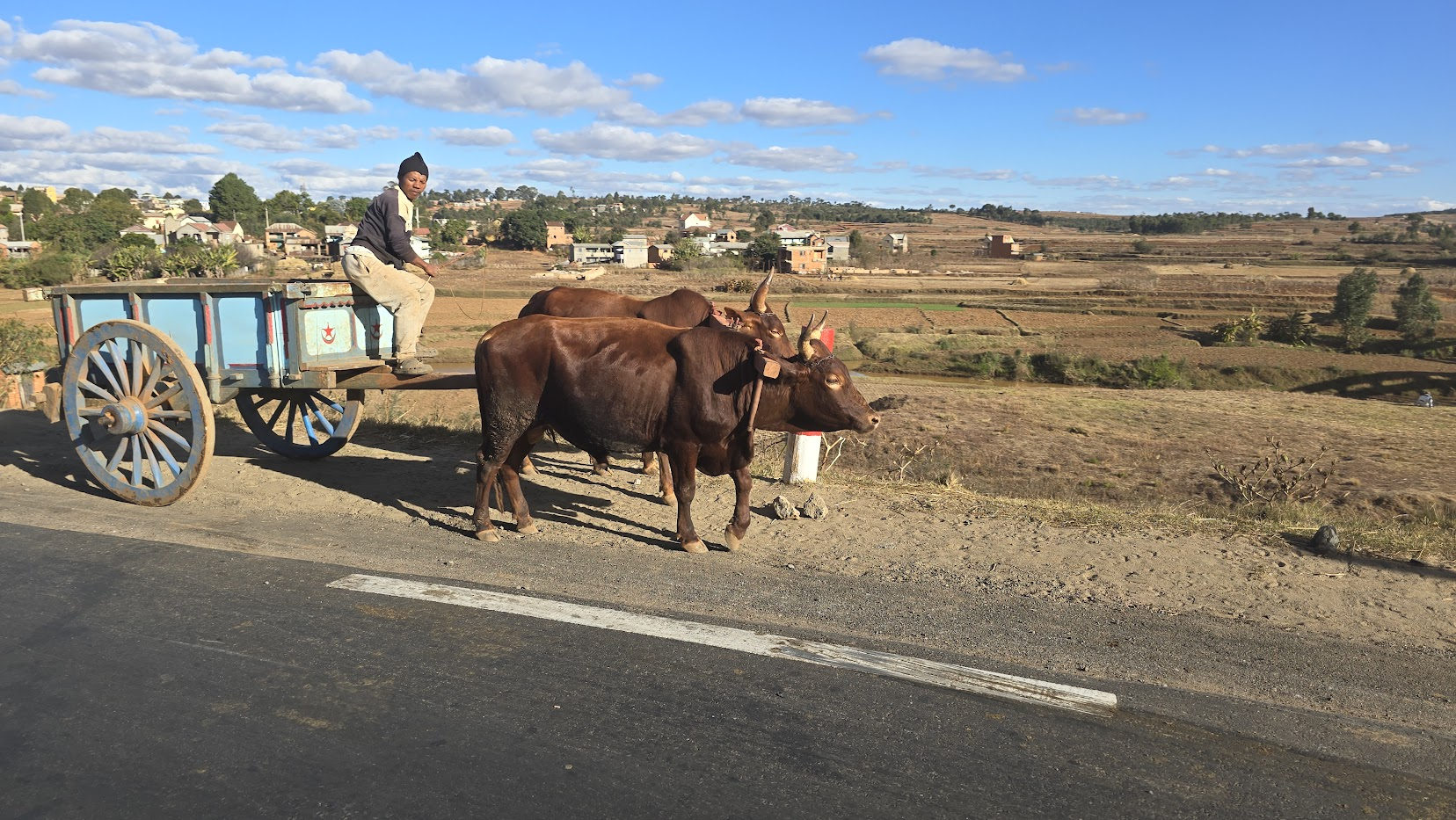
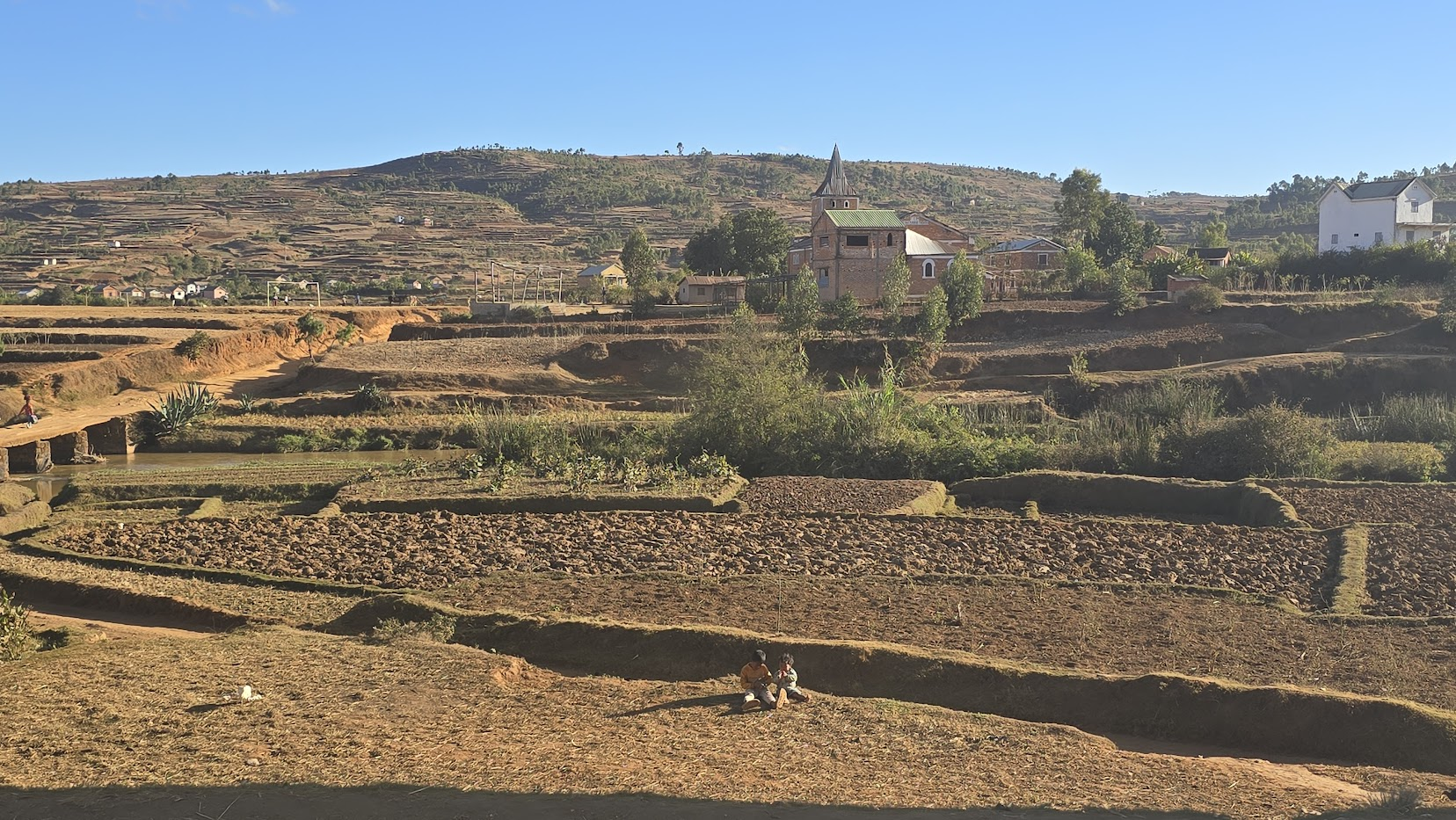
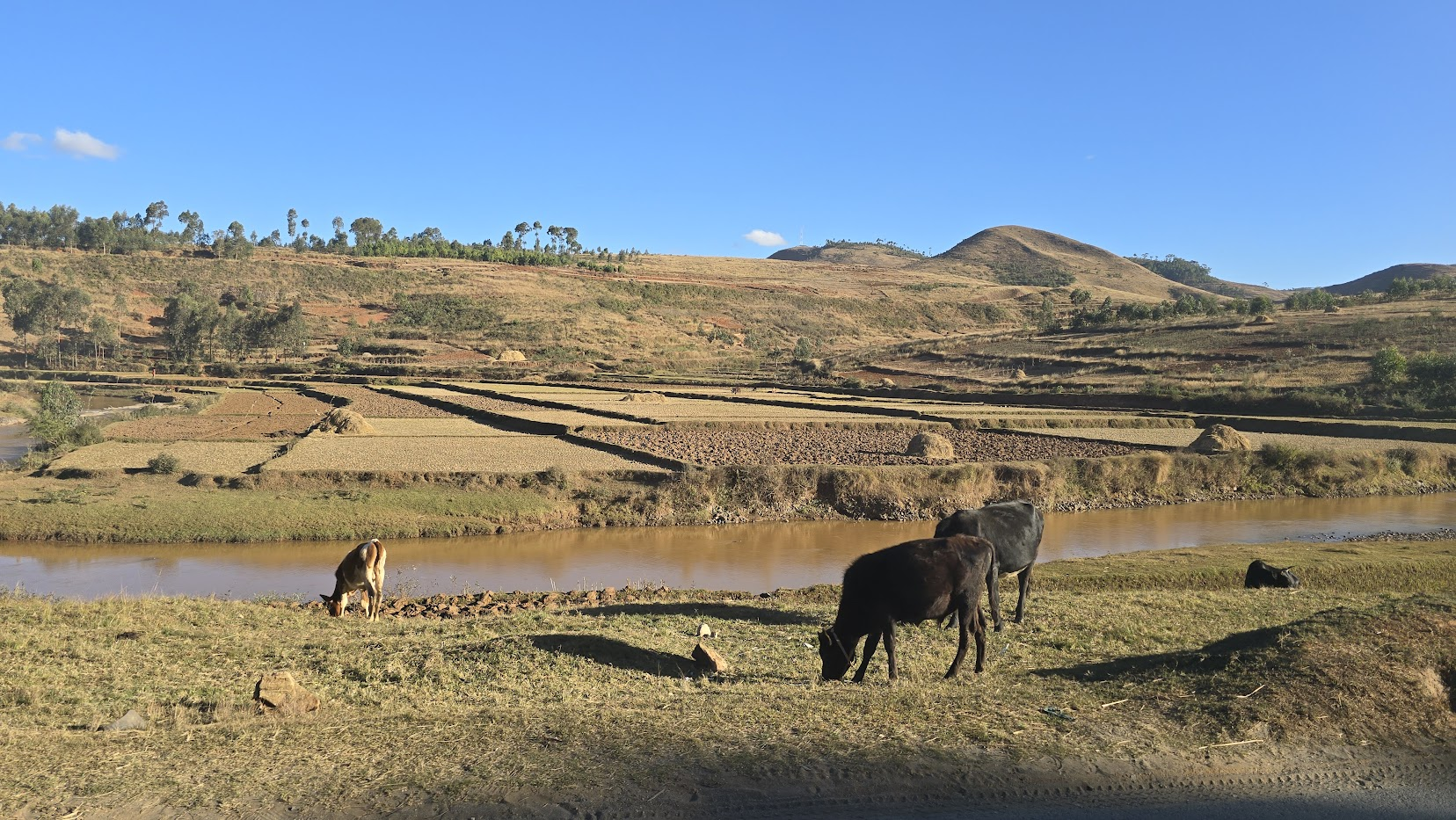
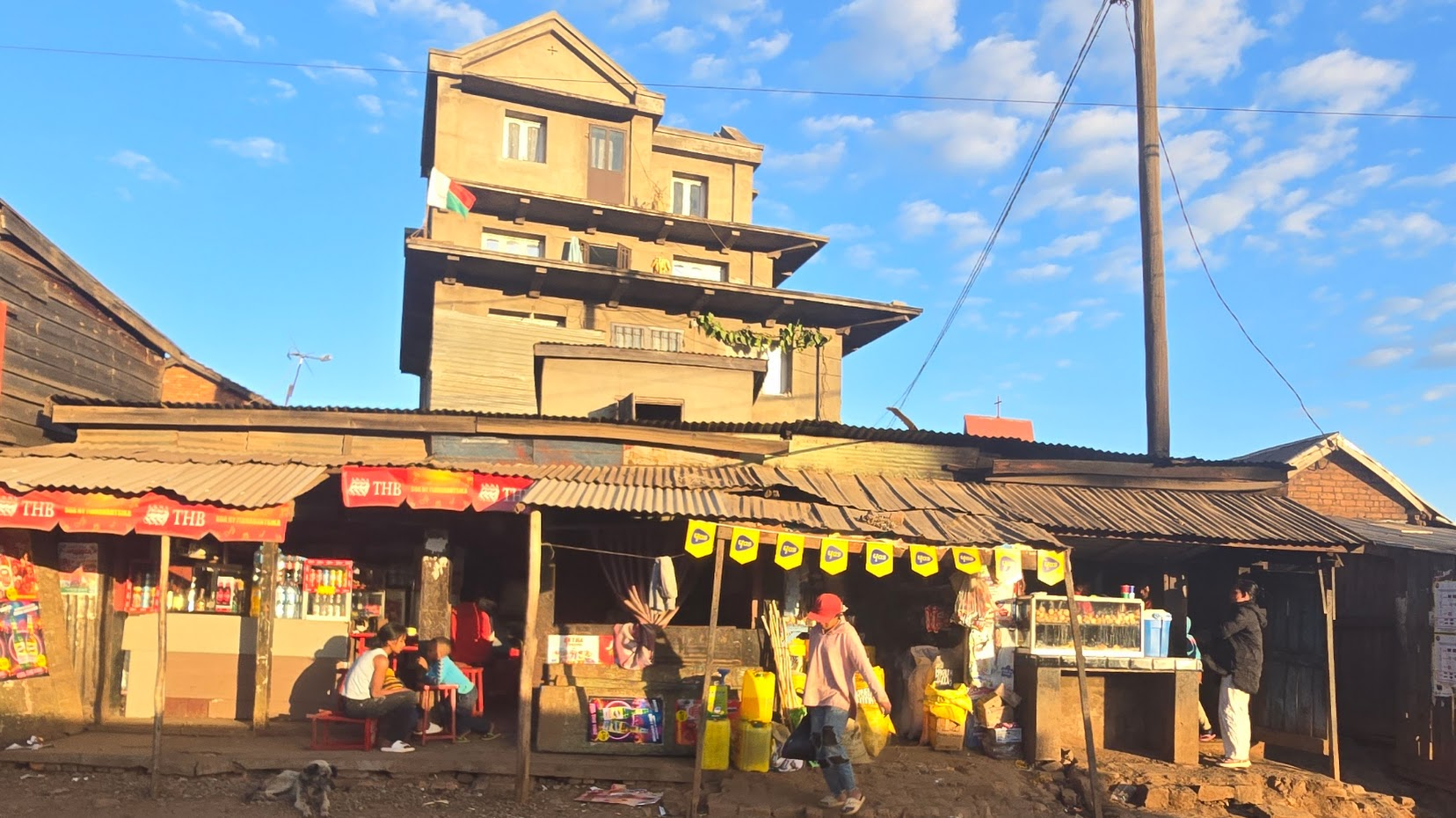
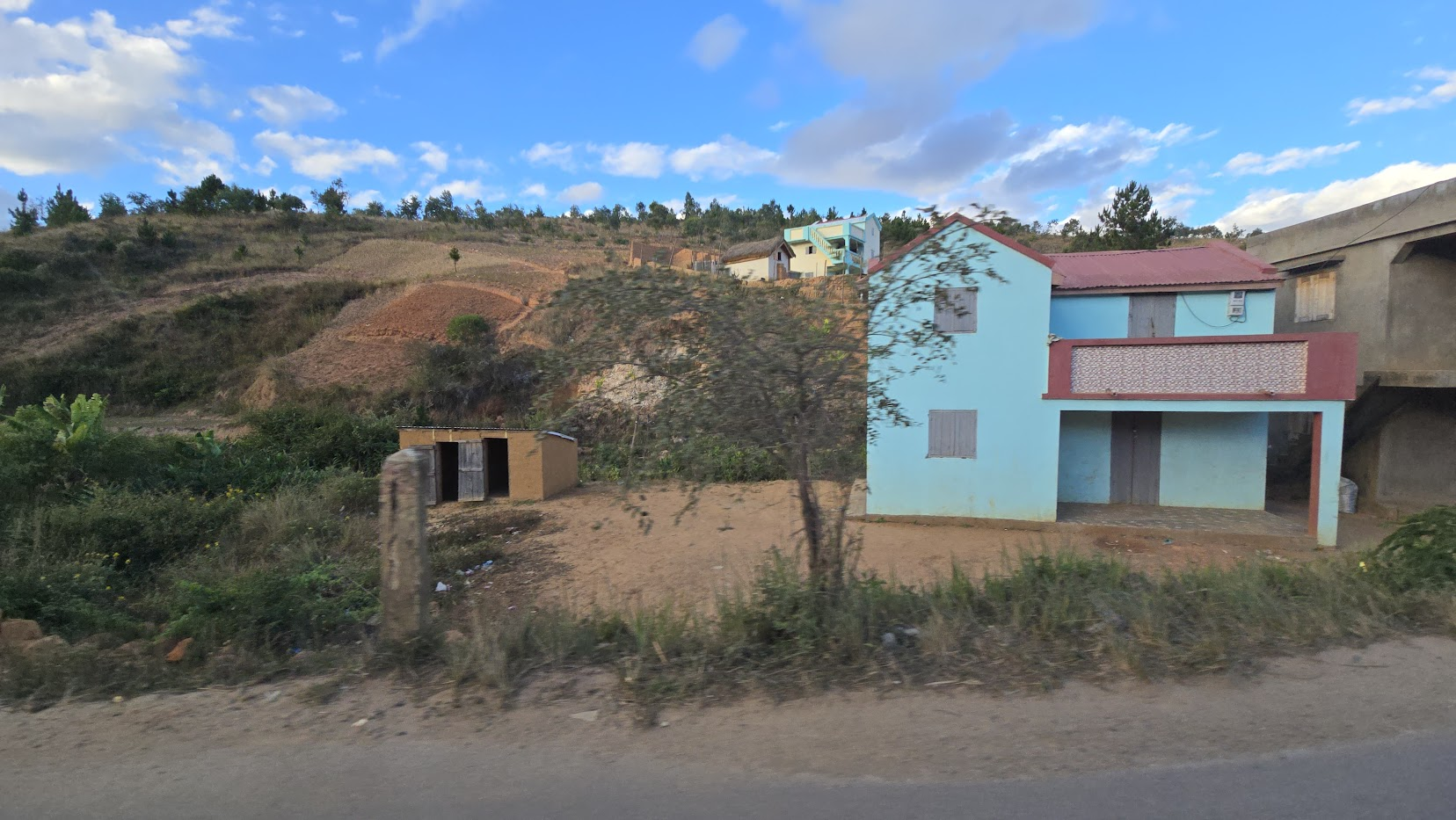
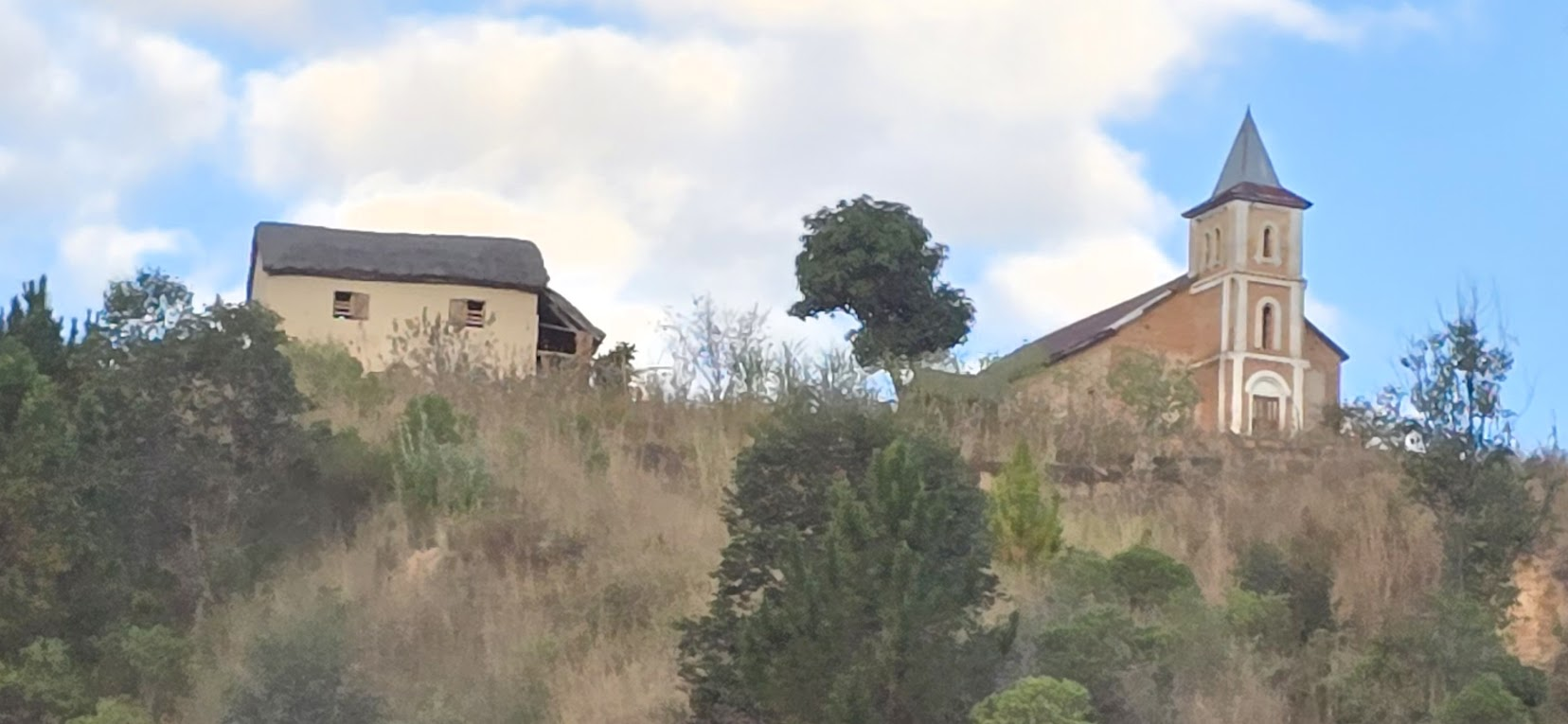
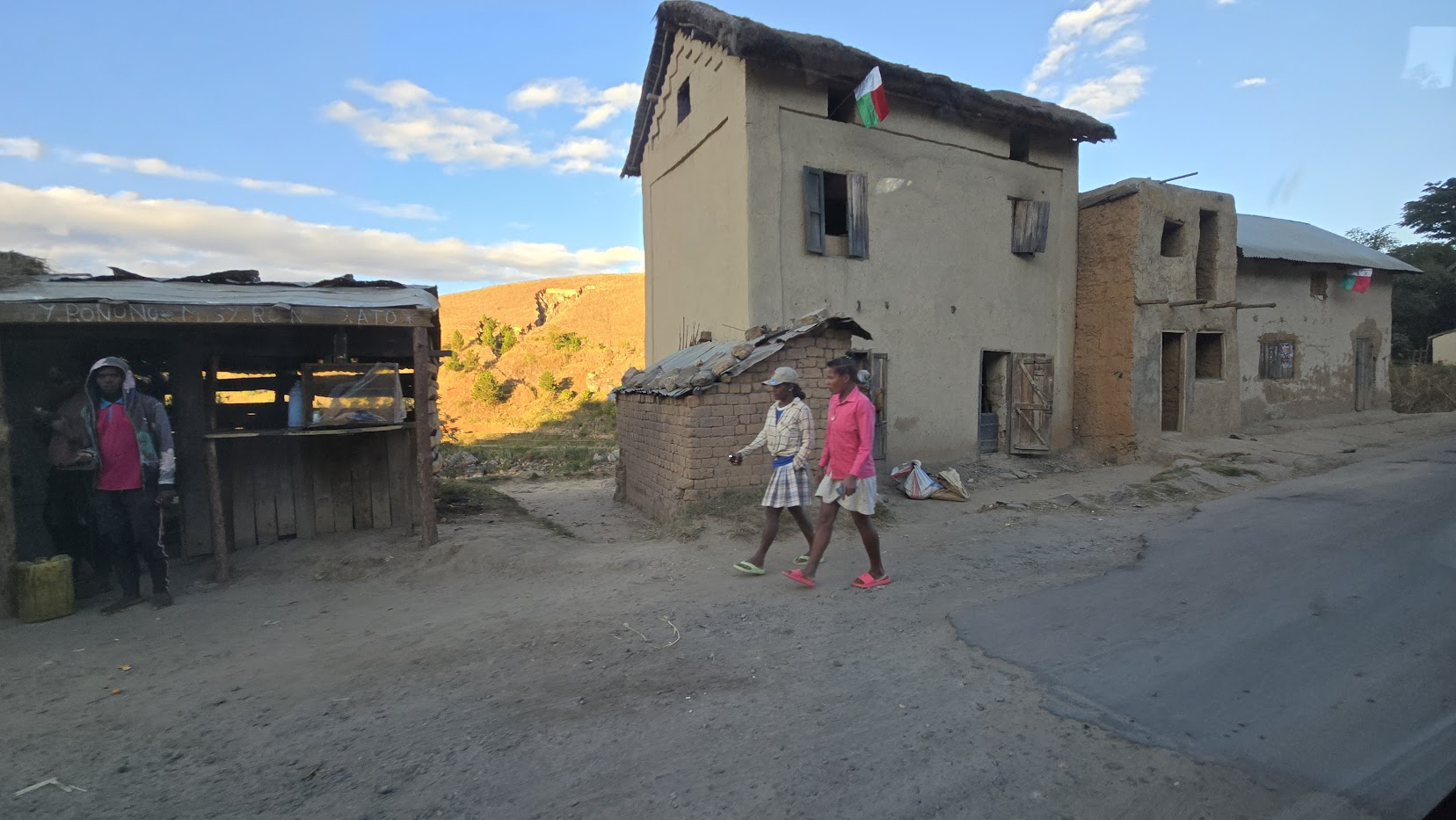
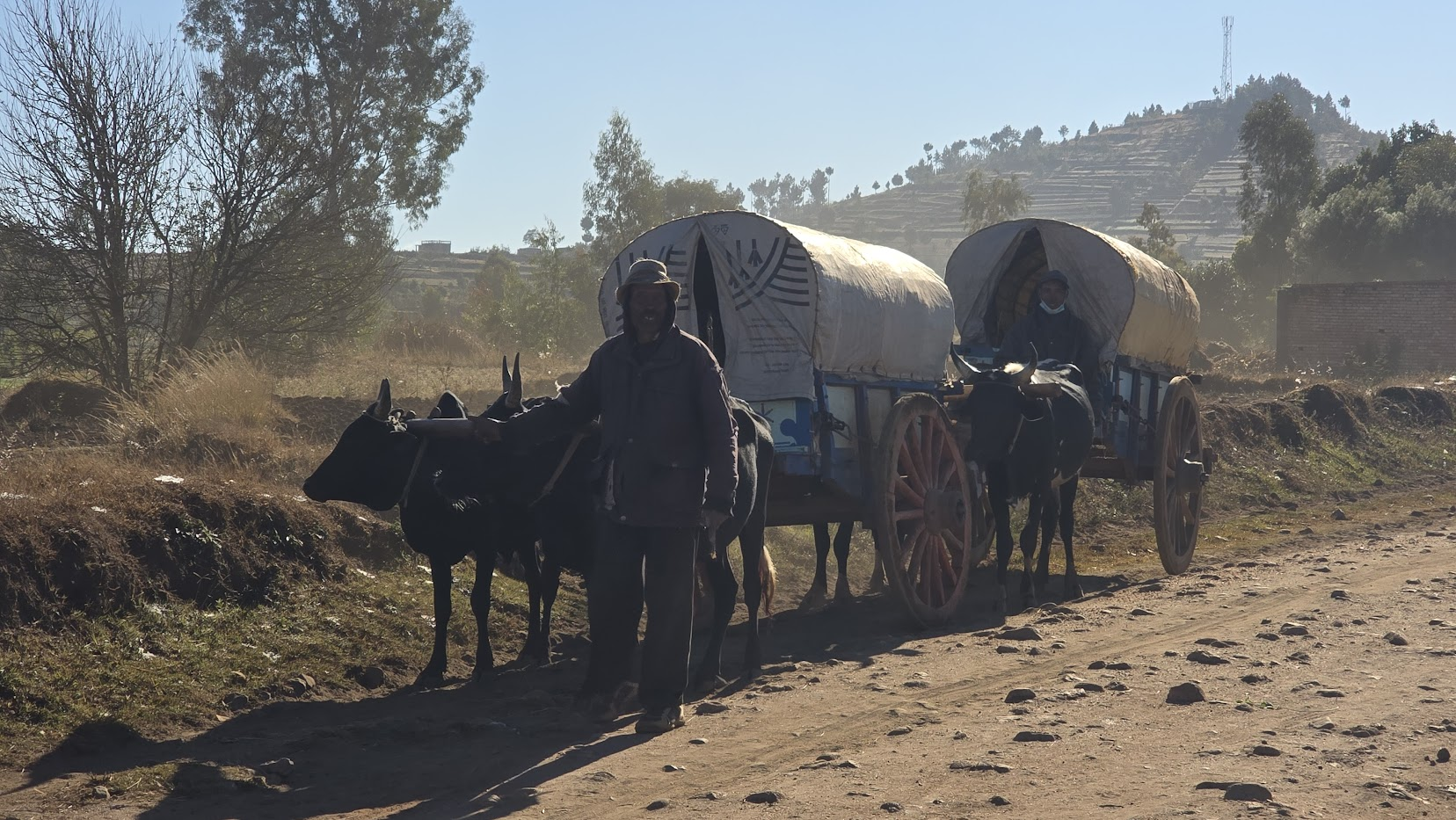
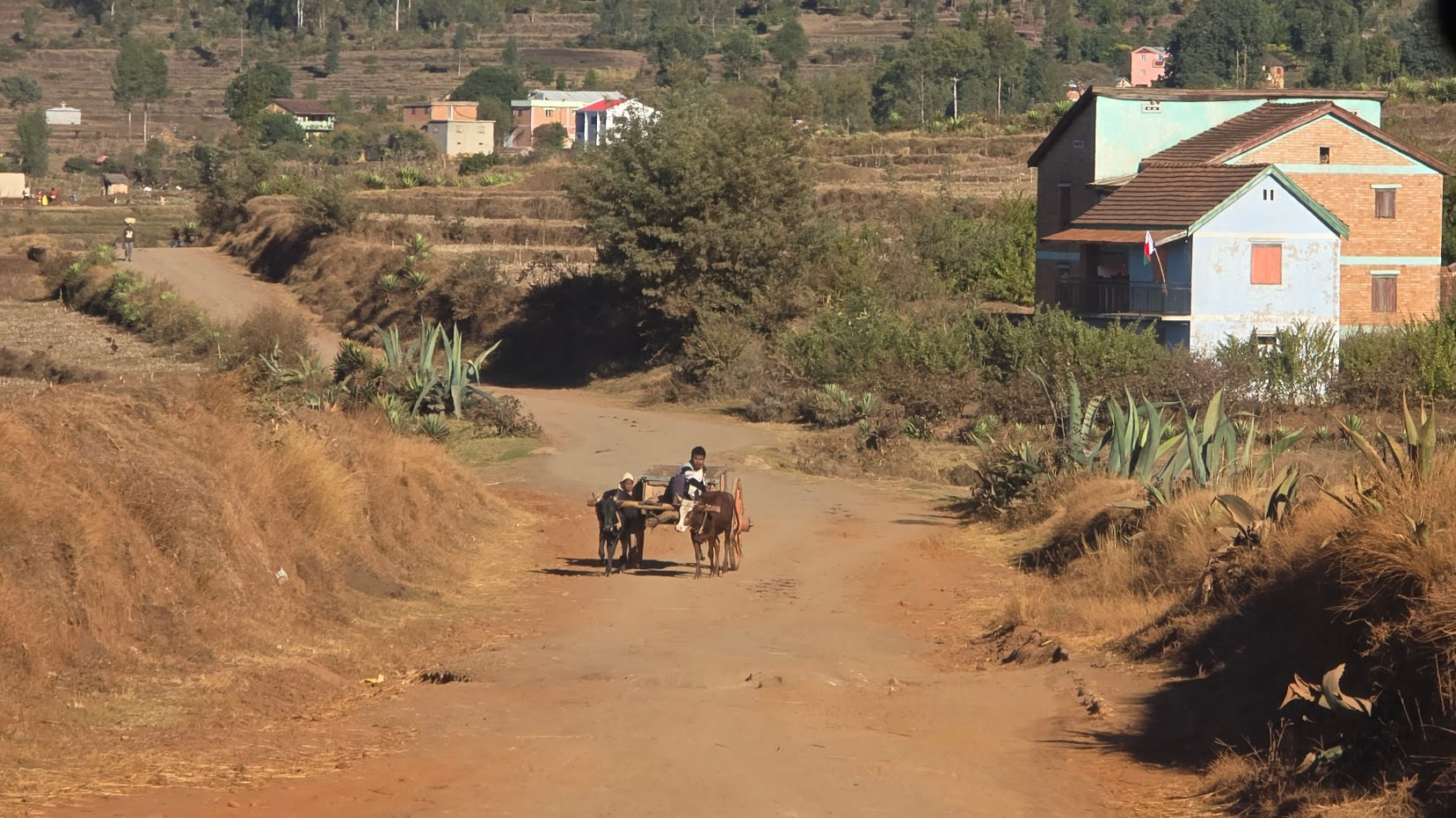
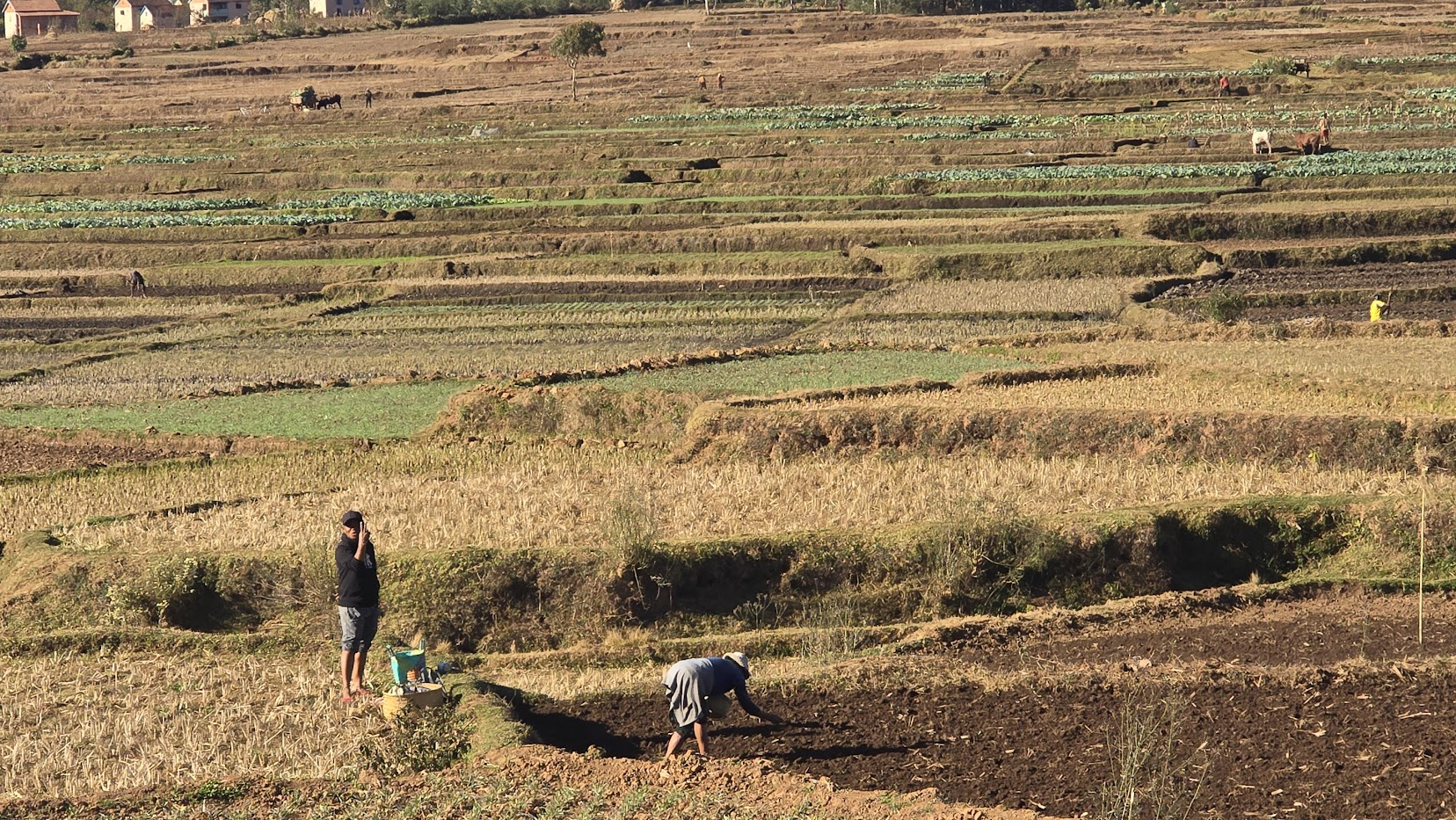
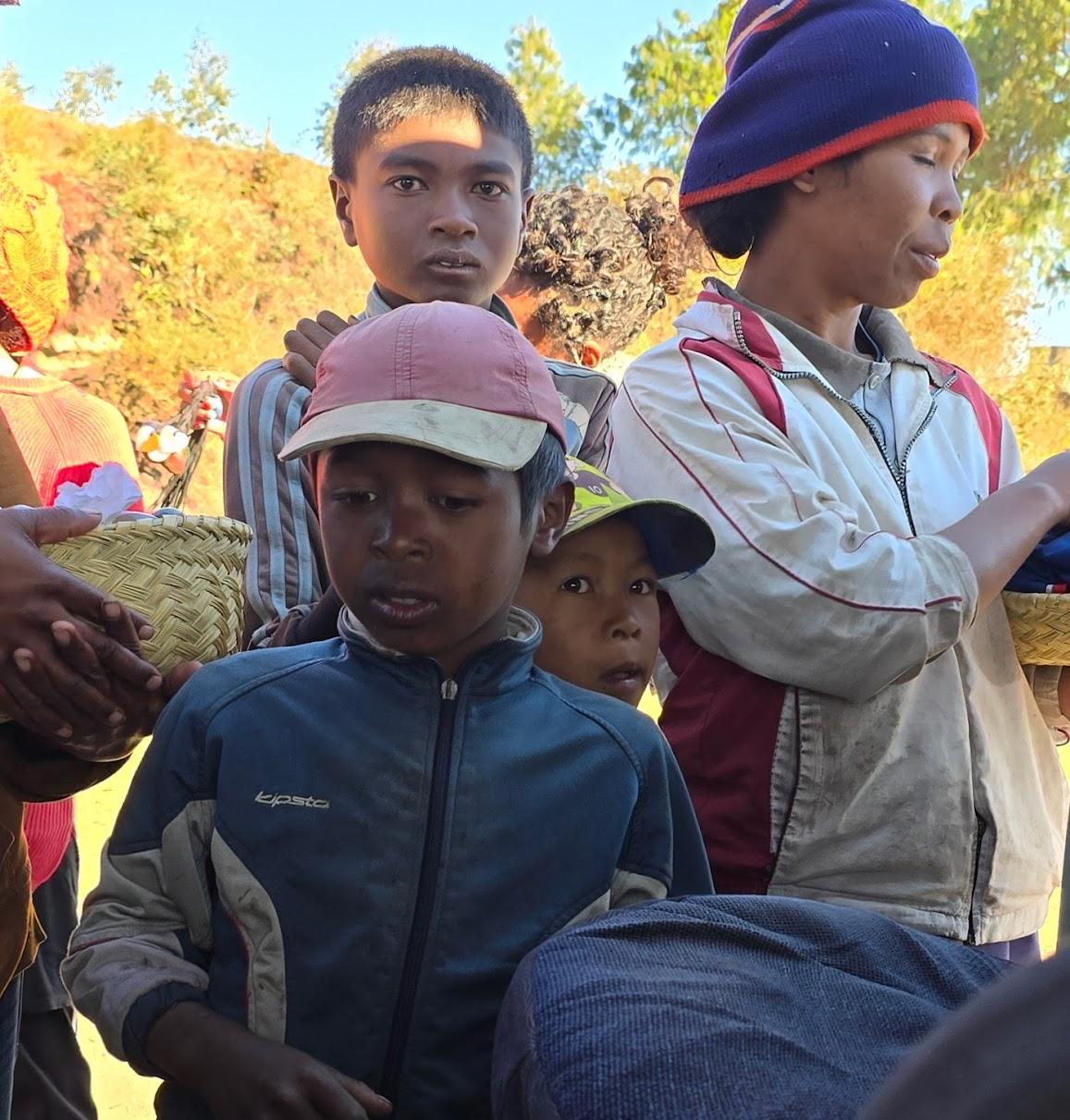
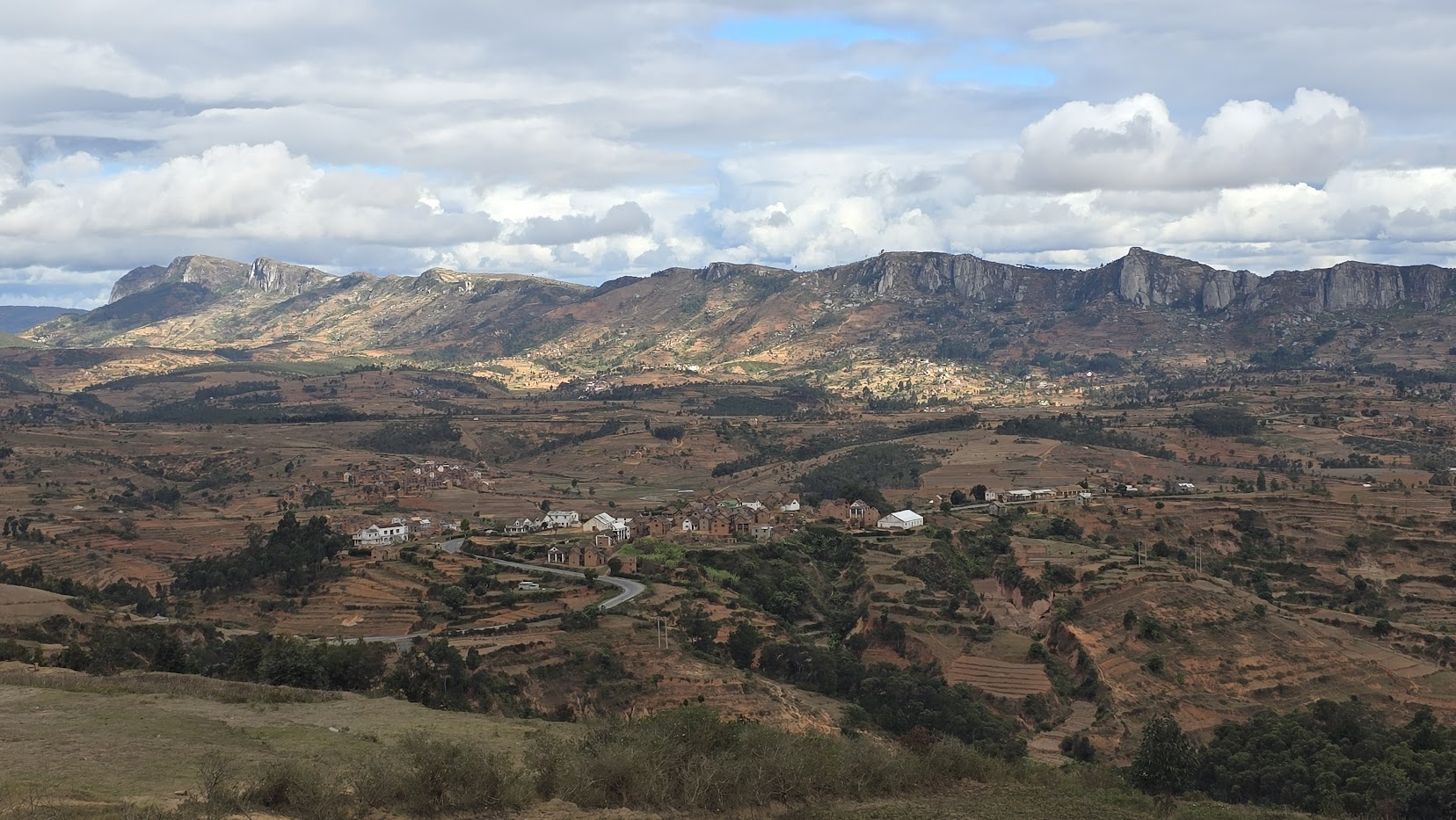
The photo above is just a small sample of the varied landscape we’ve encountered as we’ve driven south. There’s plenty of scenery, with villages tiny mud-brick cottages dotting the landscape. There’s a ton of agriculture, mostly rice paddies but all sorts of other products. There are regular cattle and zebus (humped cattle) both grazing and pulling wagons. Chickens, dogs, and cats roam everywhere — especially chickens. There are barefoot kids running, riding bikes, and playing. Markets selling just about anything you can imagine. Roads are in terrible condition. There’s a lot of poverty. Everywhere we stop, we are mobbed by people selling trinkets of various sorts, begging us to buy something to feed their children or to support their education.
I have too many photos and not enough time to organize them, so I’ll share the last few days’ images with you in order to tell the story of everything we saw and did.
Along the road
Antsirabe
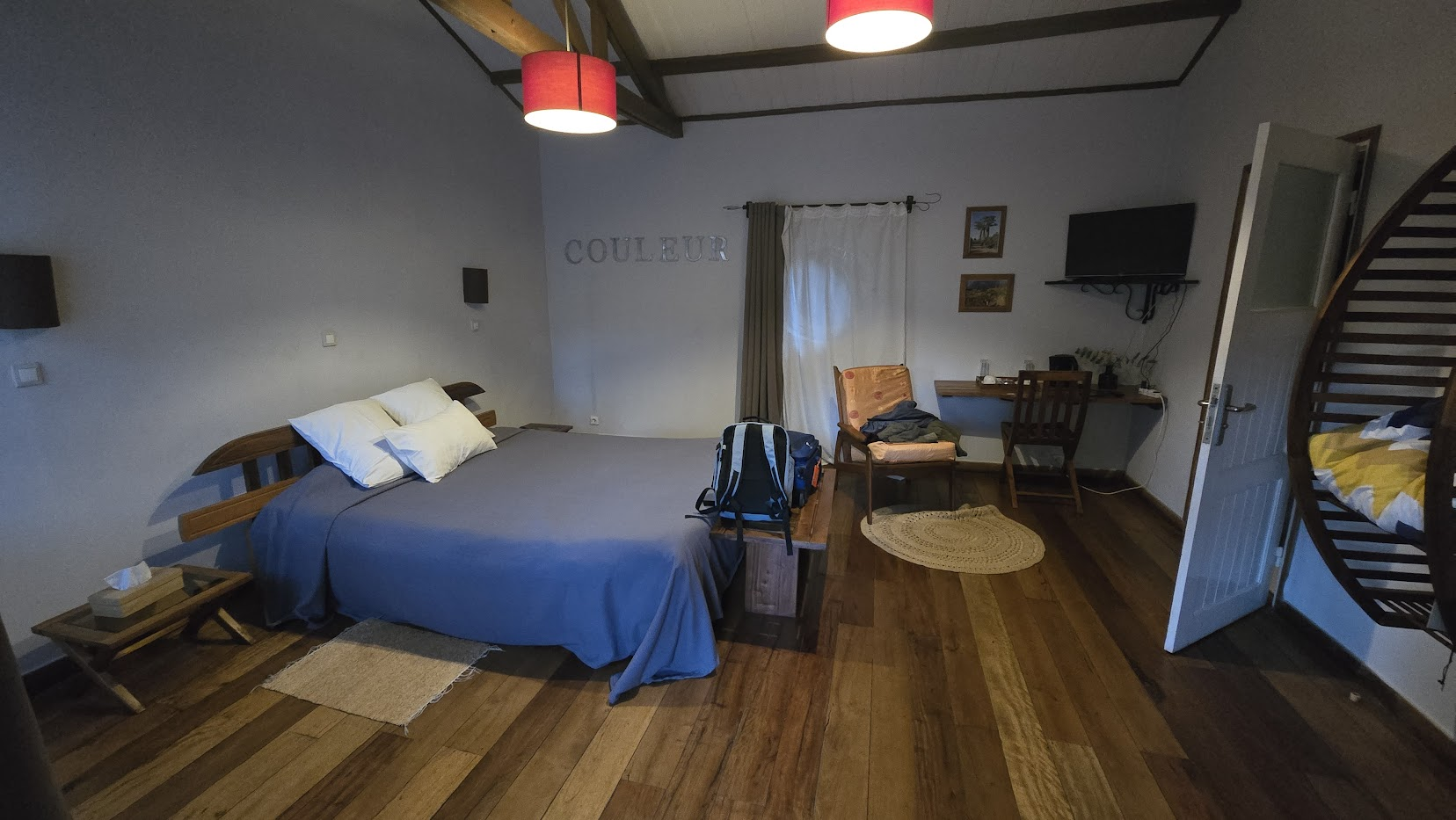
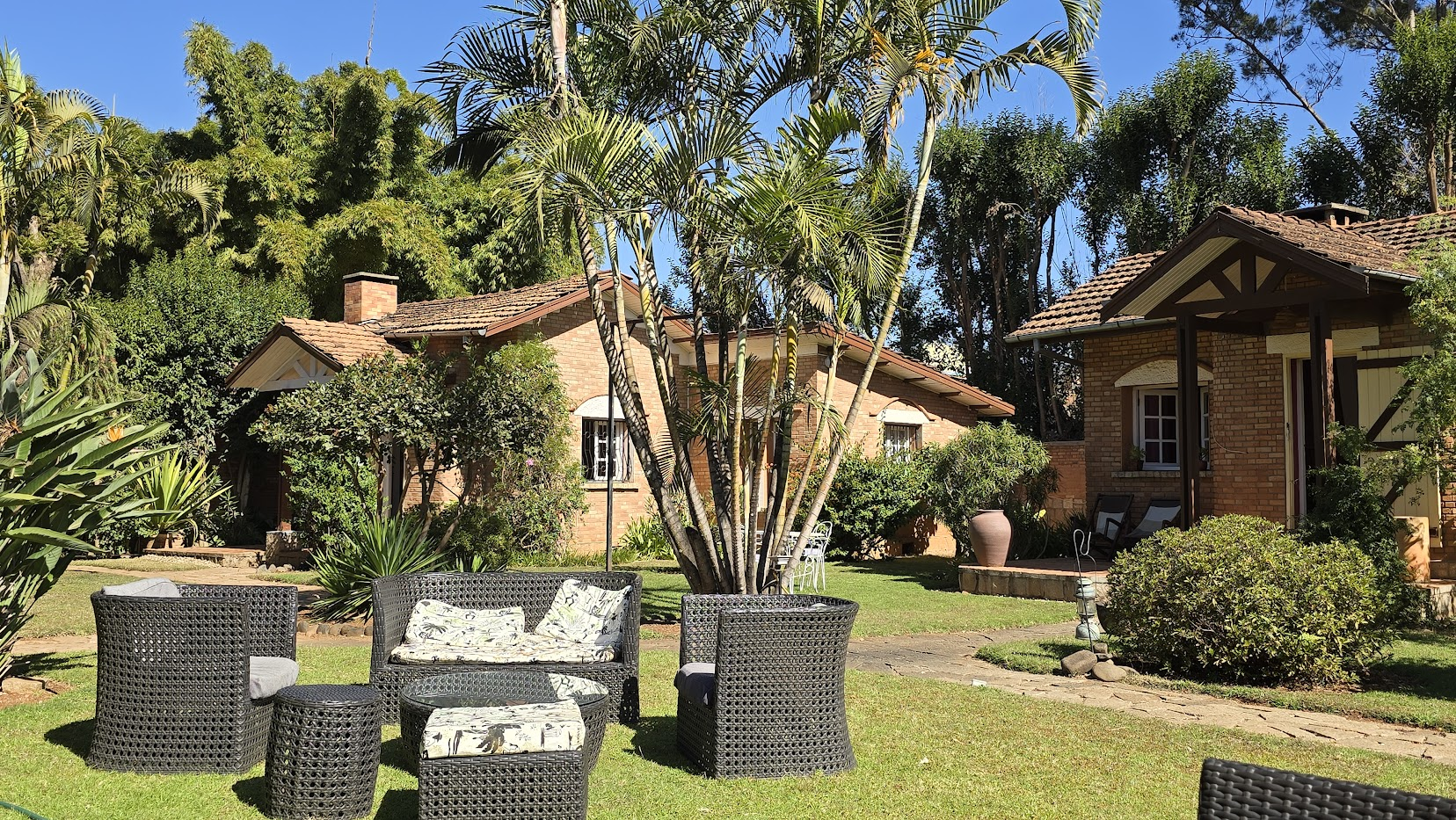
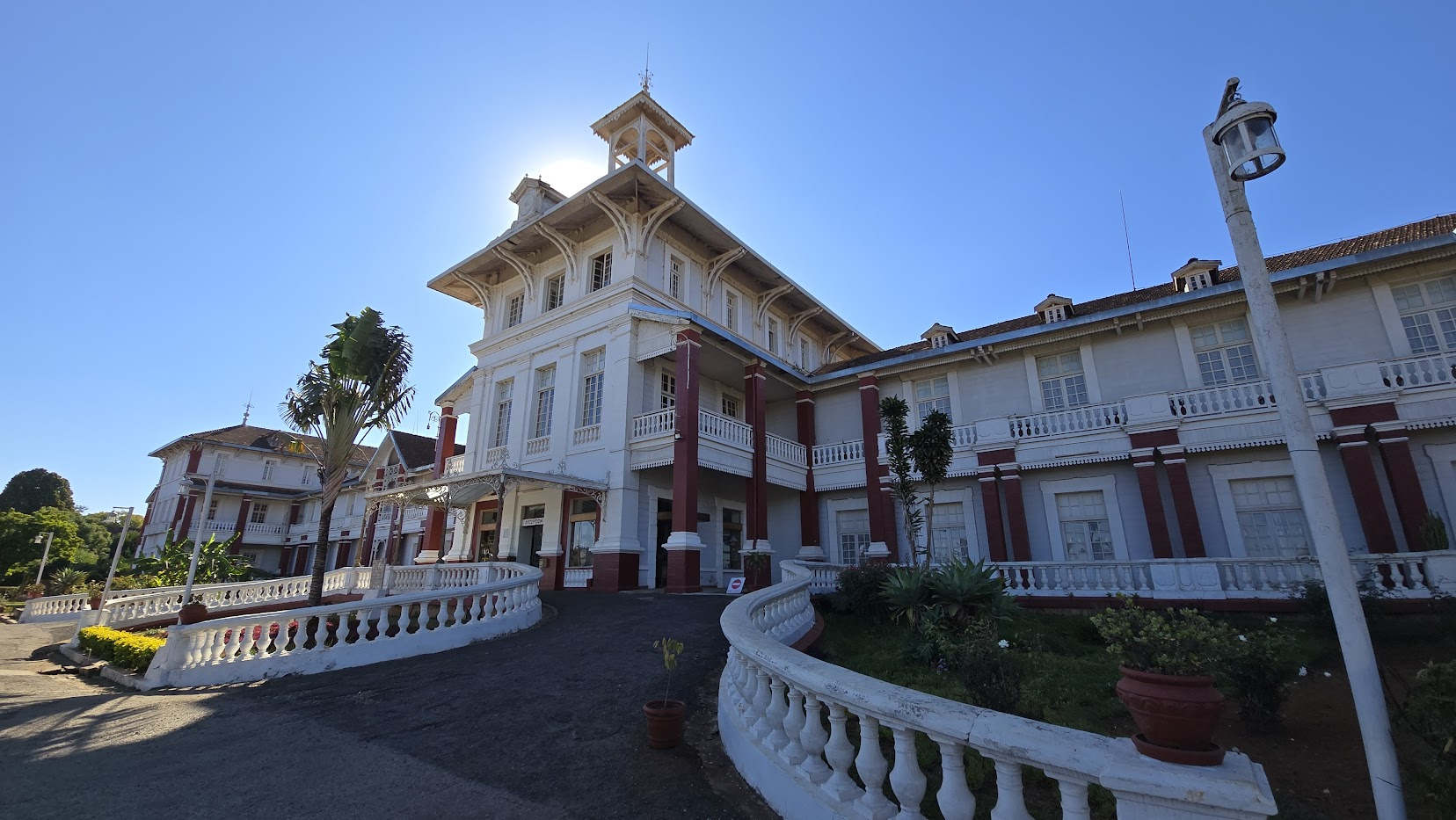
After a very long drive on Tuesday, we arrived in Antsirabe, the third largest city in Madagascar. We spent the night here at the Couleur Cafe. This was one of the nicer places we stayed, with big rooms, pretty grounds, and a good restaurant. But hotels in Madagascar have a different standard than I am accustomed to. There is no heat, and given the very cold nights in some locations, that can make it challenging to get out of bed. Shampoo is generally not provided, nor is a hair dryer. (These amenities were included at the Couleur Cafe, but this is an exception.) When staying more than one night, there has been no housekeeping service.
The evening’s activities were dinner and bed.
Tritriva Lake
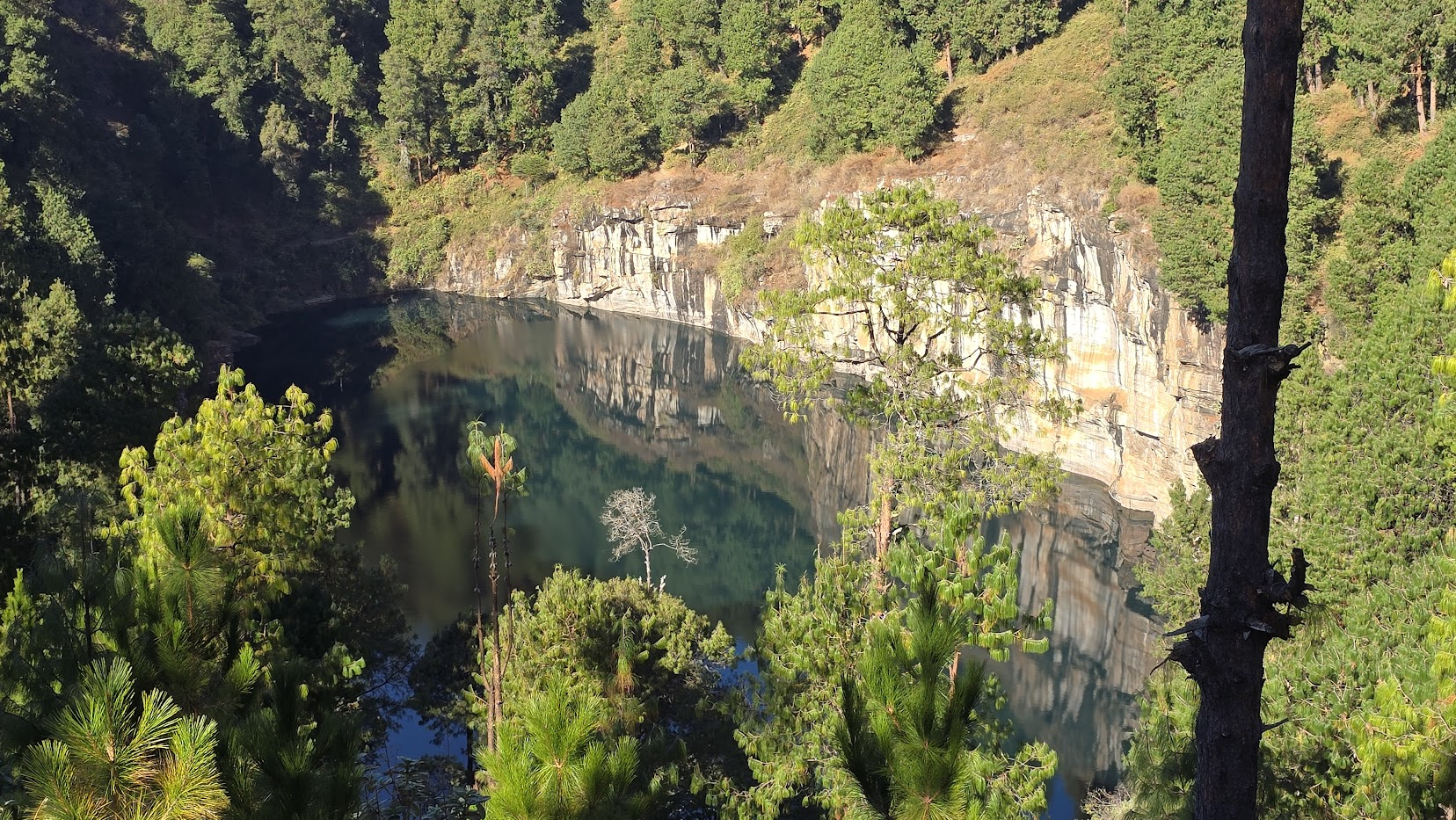
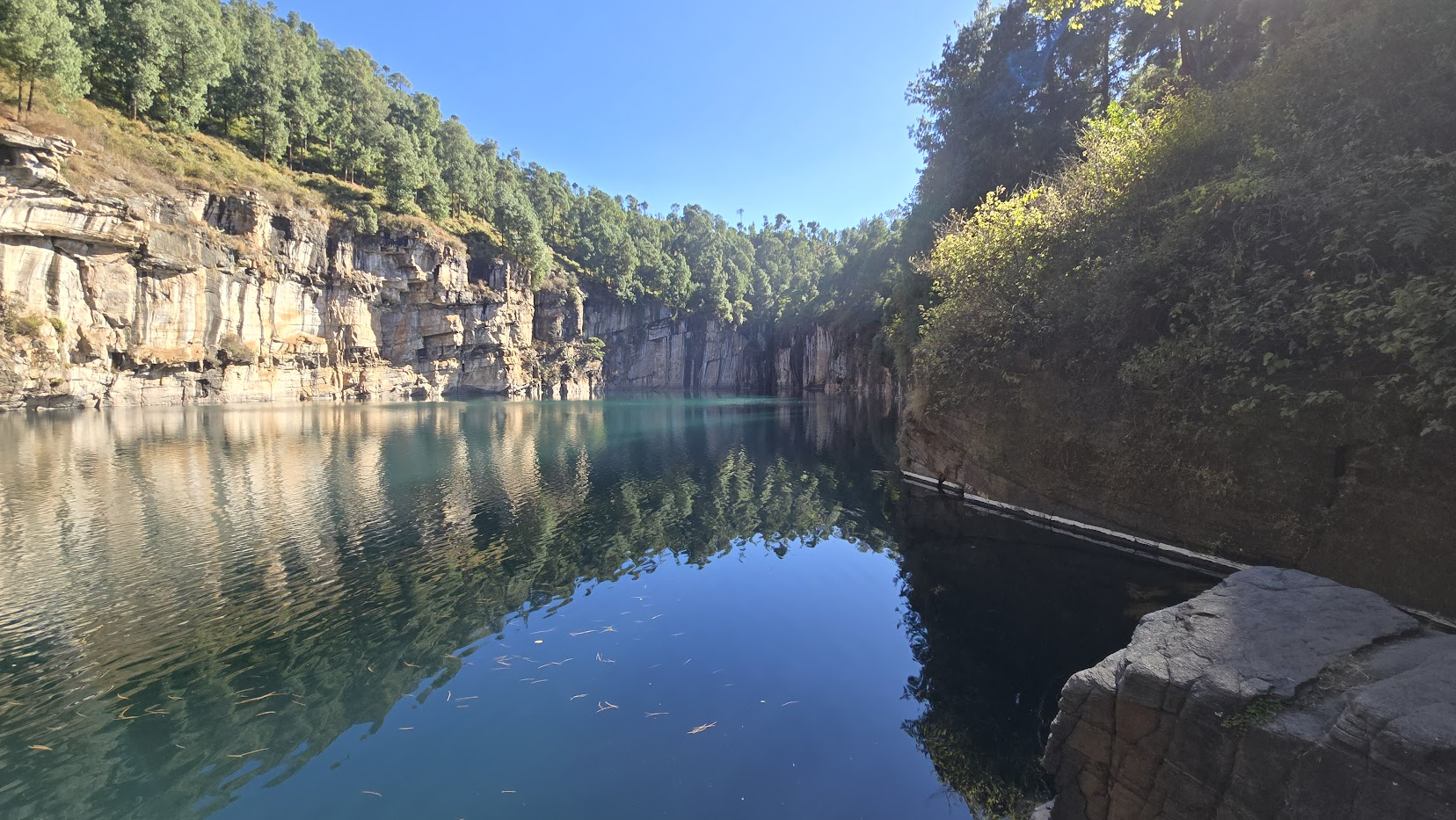
Wednesday morning we had an excursion to Tritriva Lake, about an hour’s drive from Antsirabe. Much to see along the drive.
Back in Antsirabe
Before we departed Antsirabe, we enjoyed a rickshaw ride around the town.
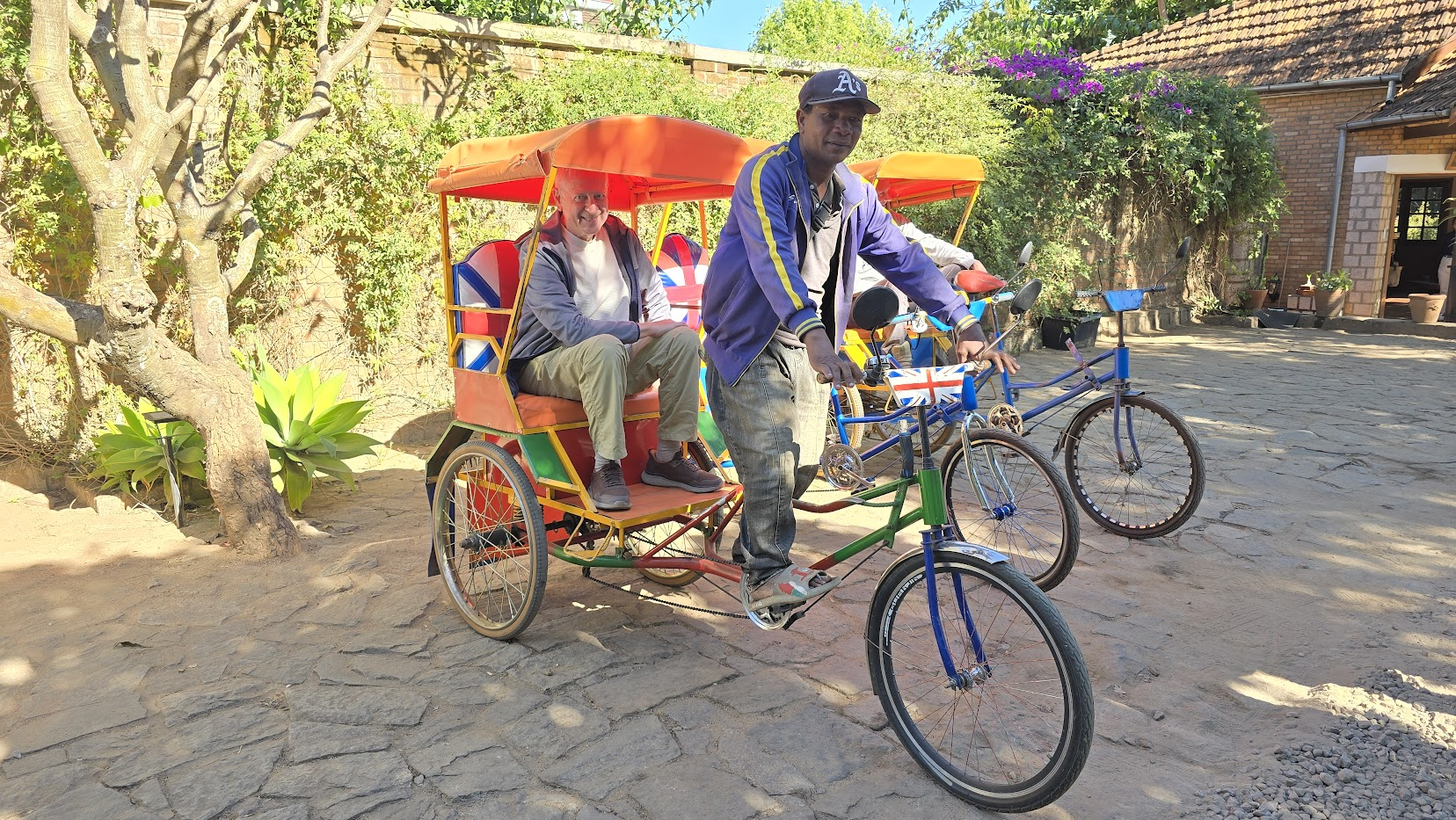
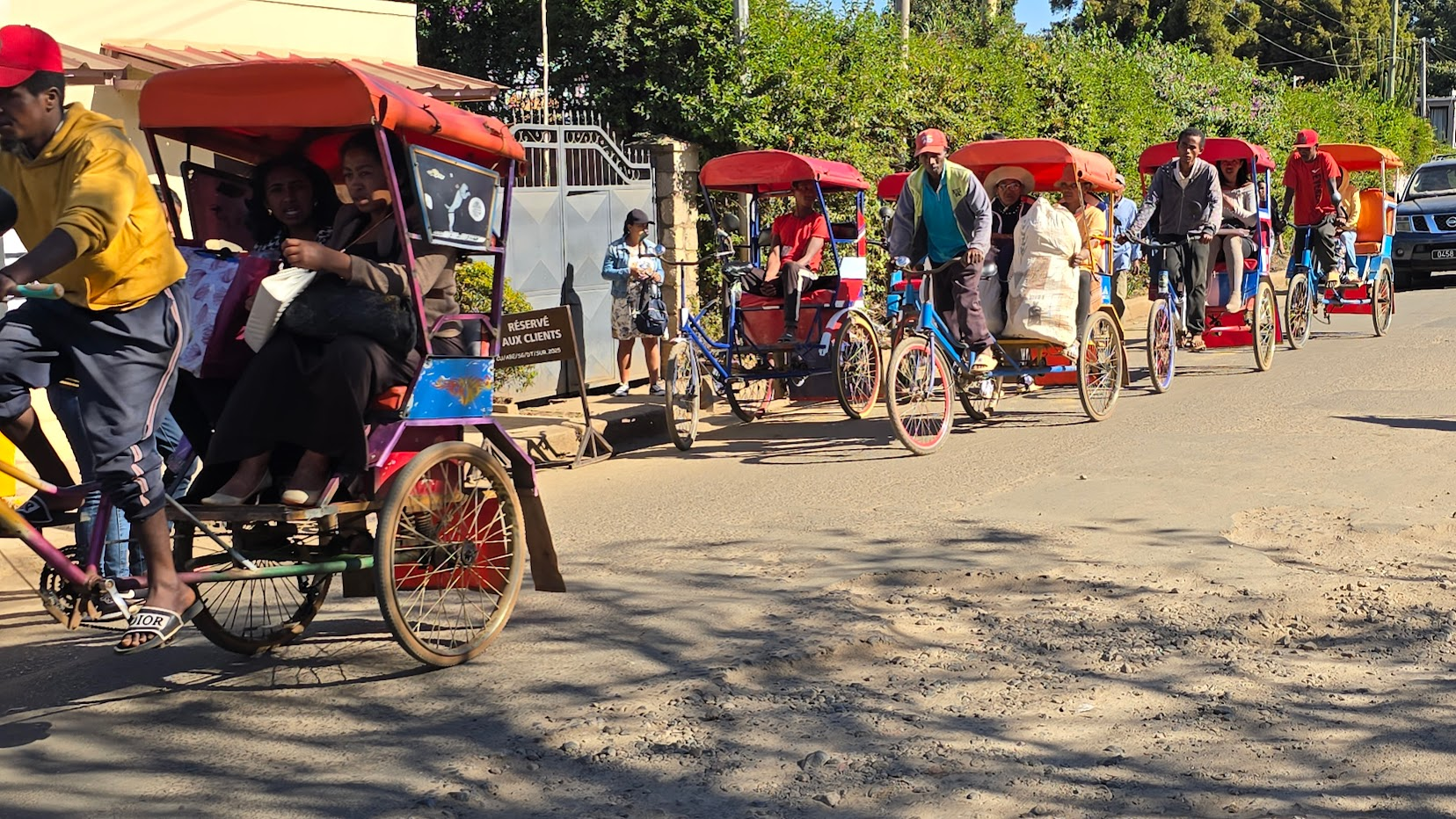
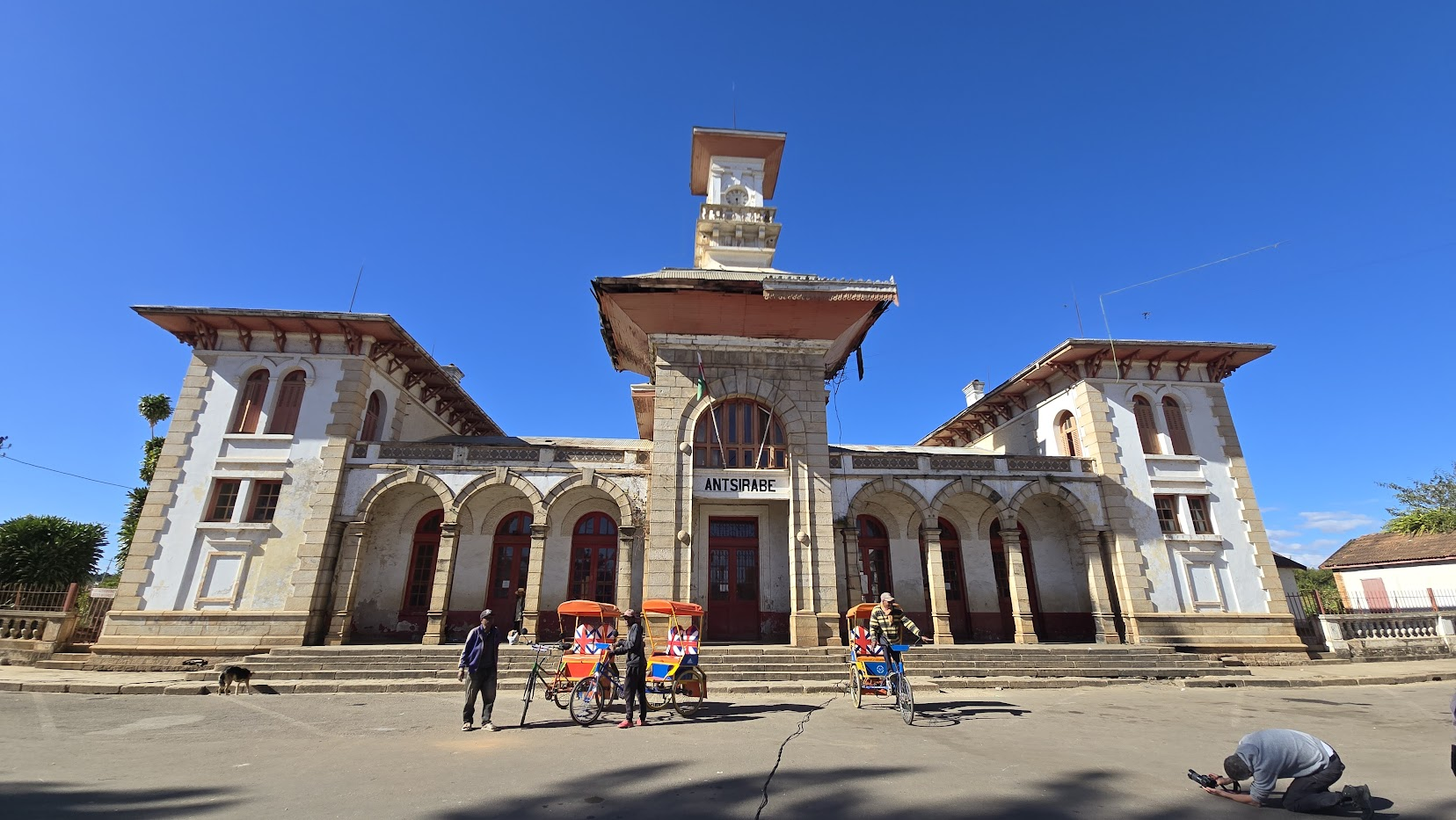
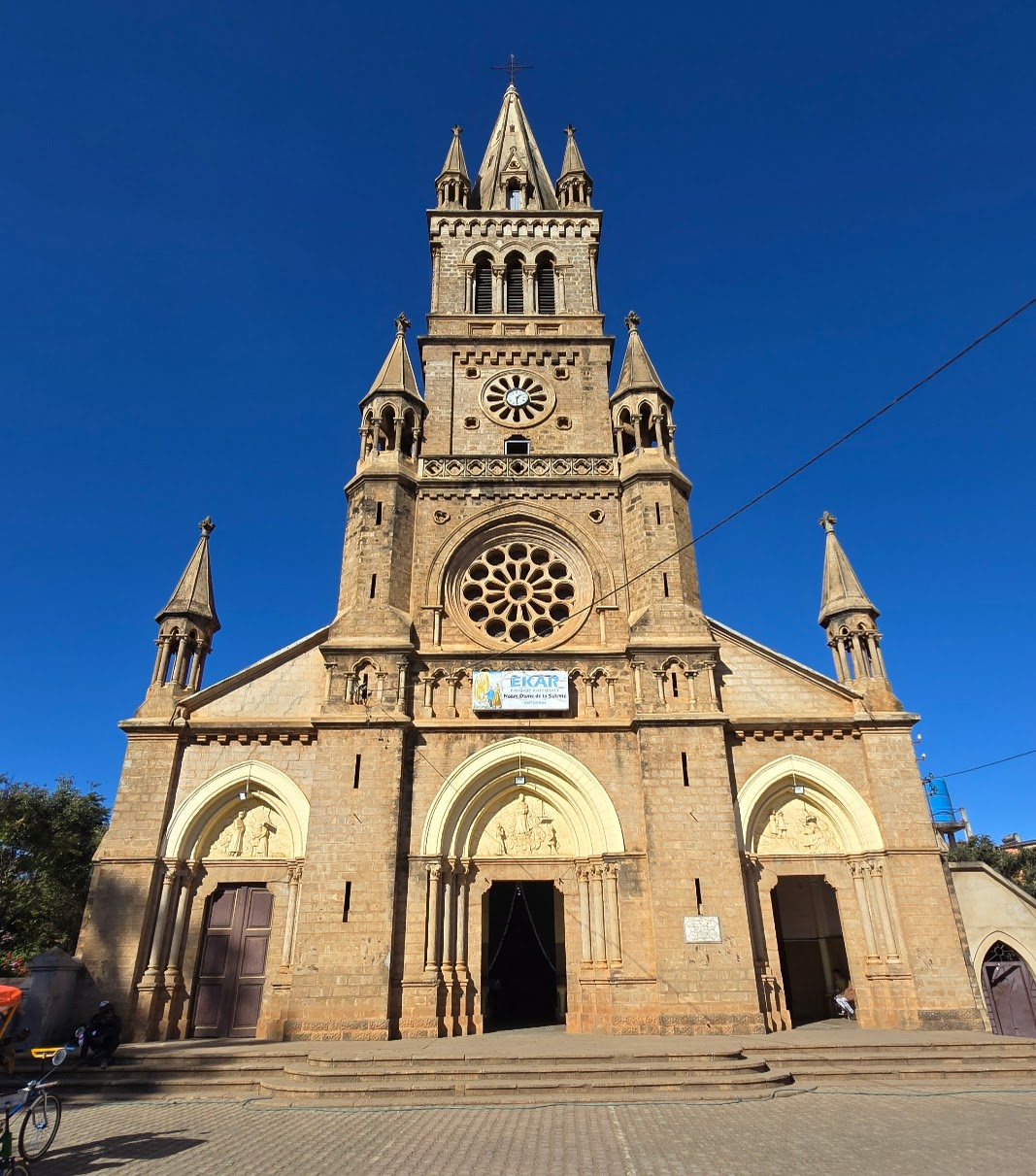
After our rickshaw tour, we were back on the road.
Ambositra
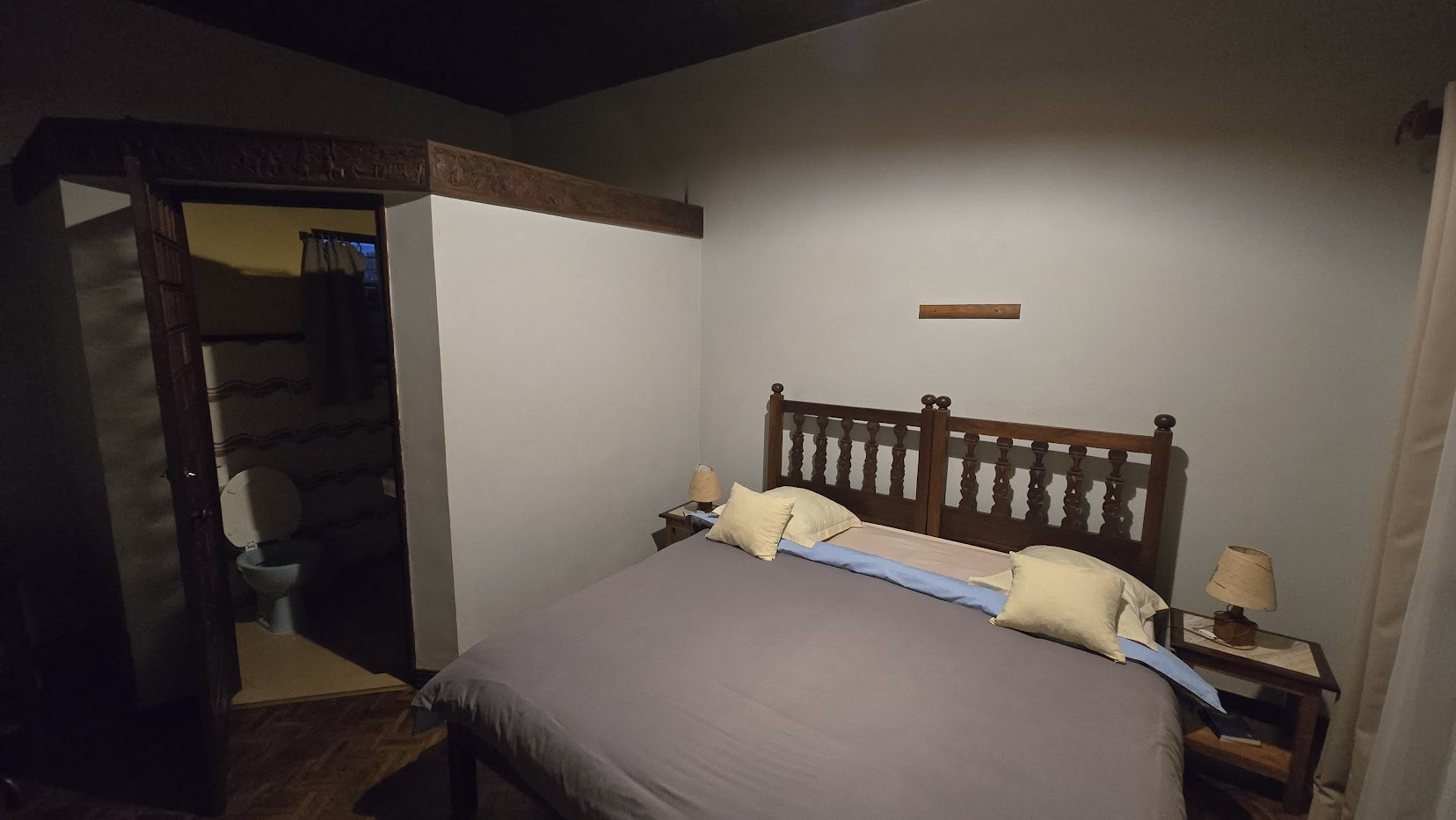
Our next stop was the town of Ambositra. The Artisan Hotel, where we stayed on Wednesday night, was much more on the basic side. “Basic” is a pretty kind description.
We went to a facility in Ambositra that is run by a Christian group with the support of an NGO, ACT Alliance. There we enjoyed a performance by a local music and dance troupe. You can watch a video of their performance on YouTube.
After the performance, the women at the center served us dinner.
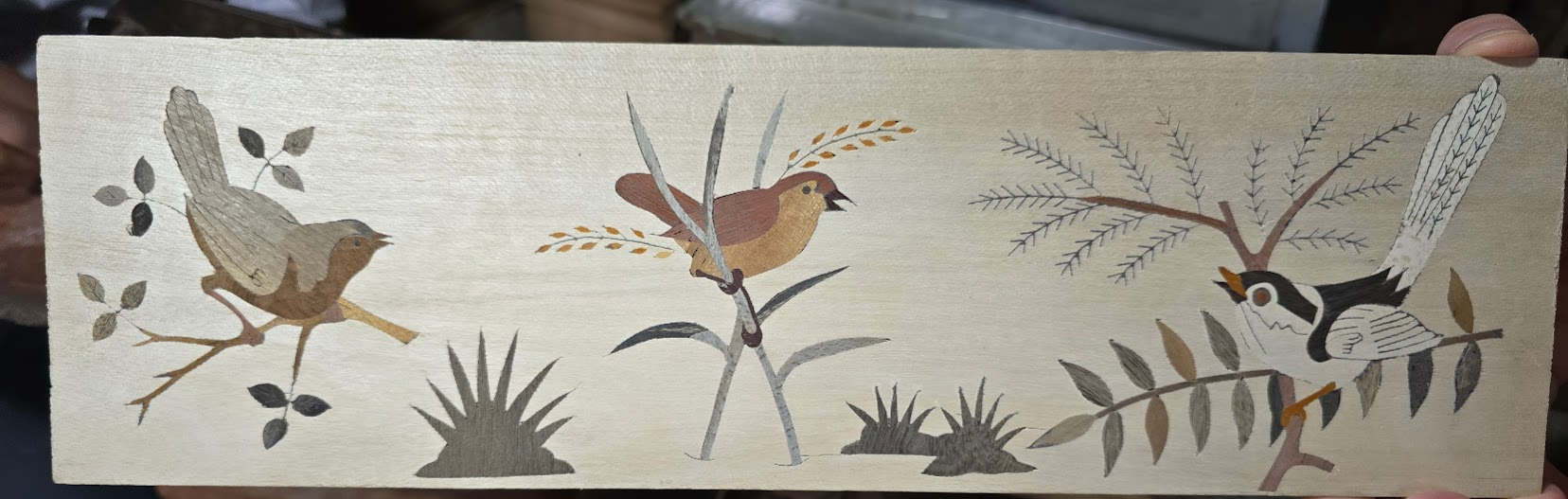
The next day, before leaving Ambositra, we walked to a woodworking workshop and retail store. There we met Narcisse, who creates stunning artwork using inlaid carved pieces of wood. He uses several types of wood, some of which he can soak in the water in rice paddies for a week to change their color. Here’s a video that shows how he works.
Market in Ivato
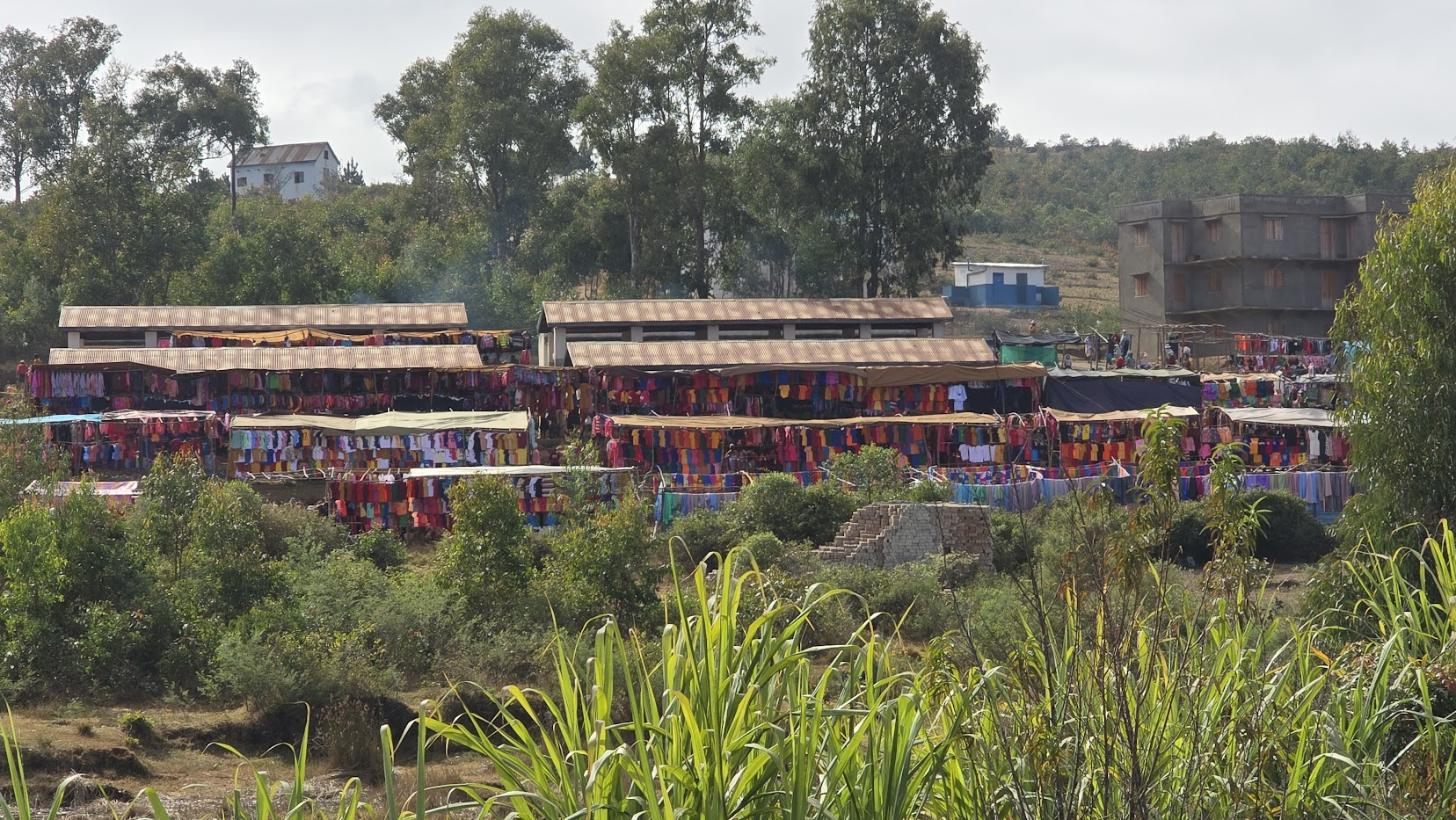
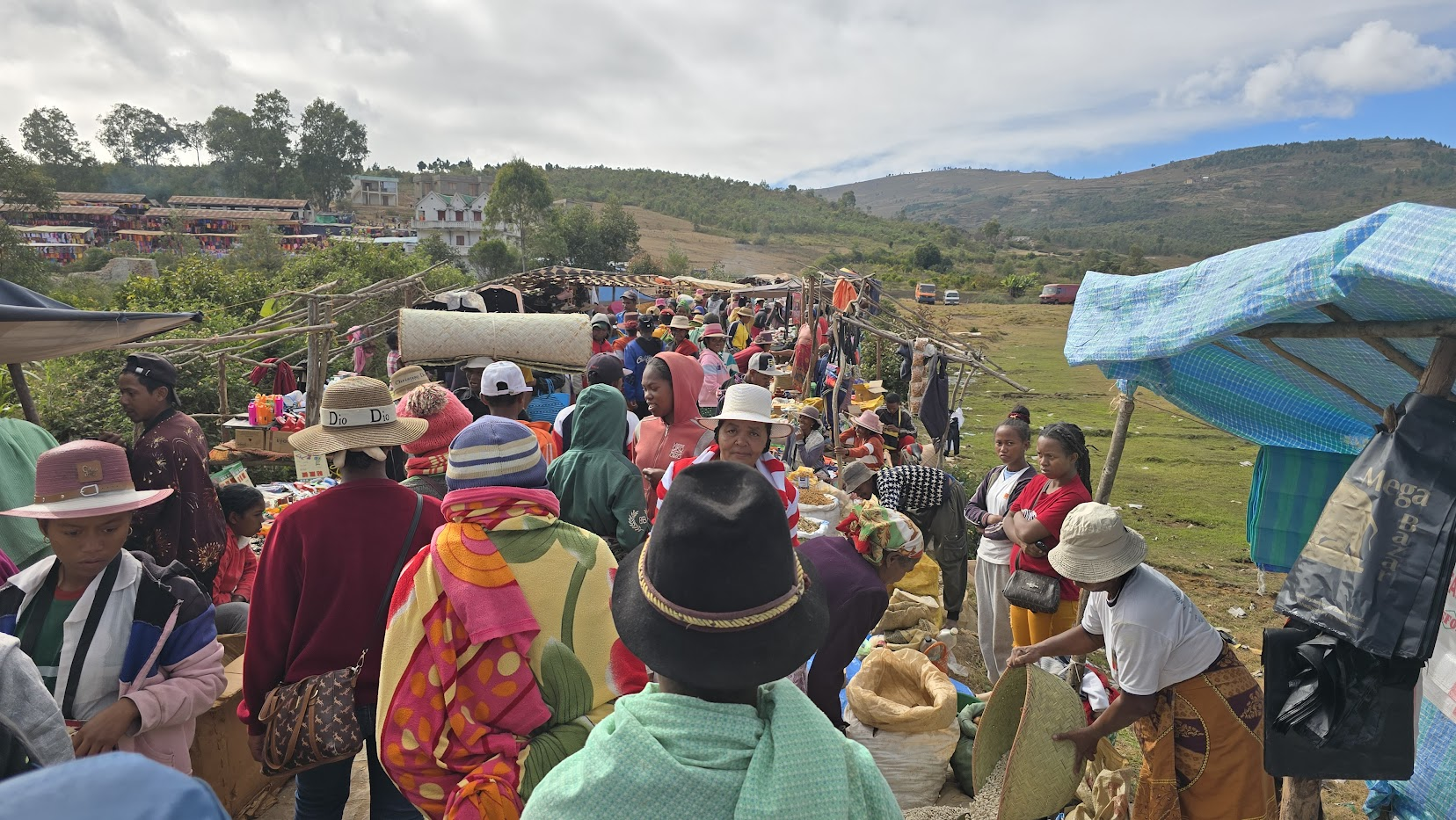
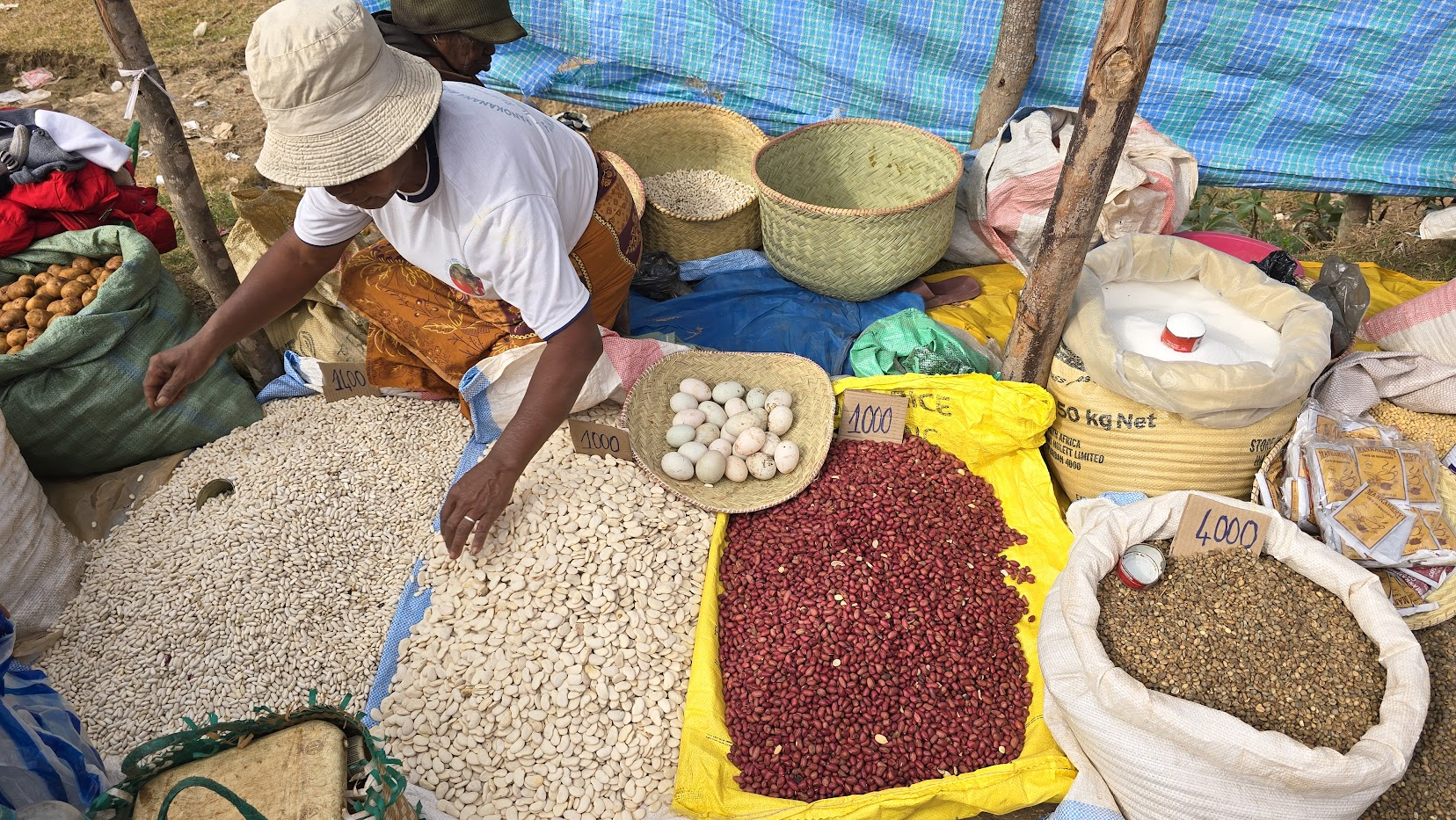
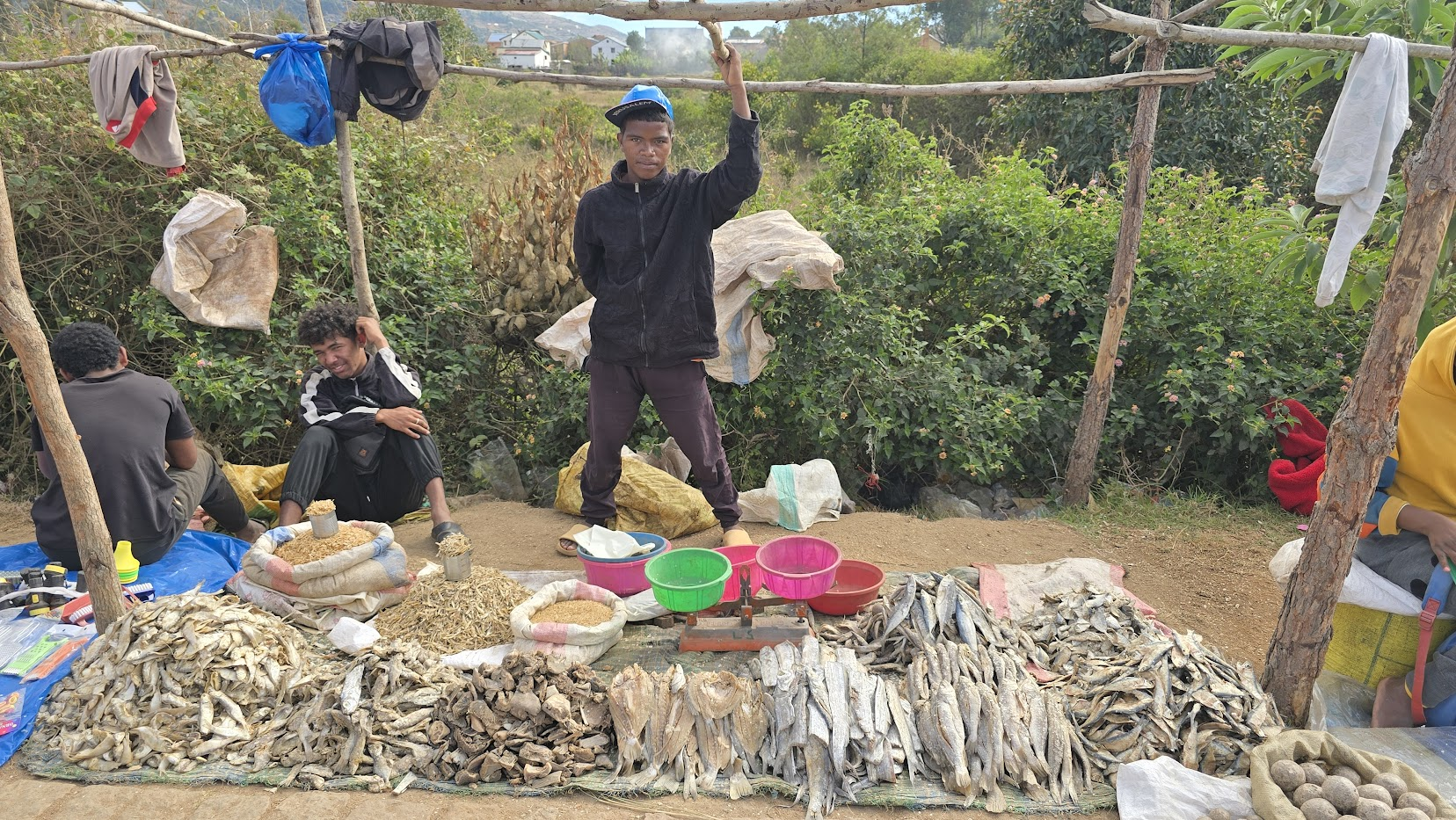
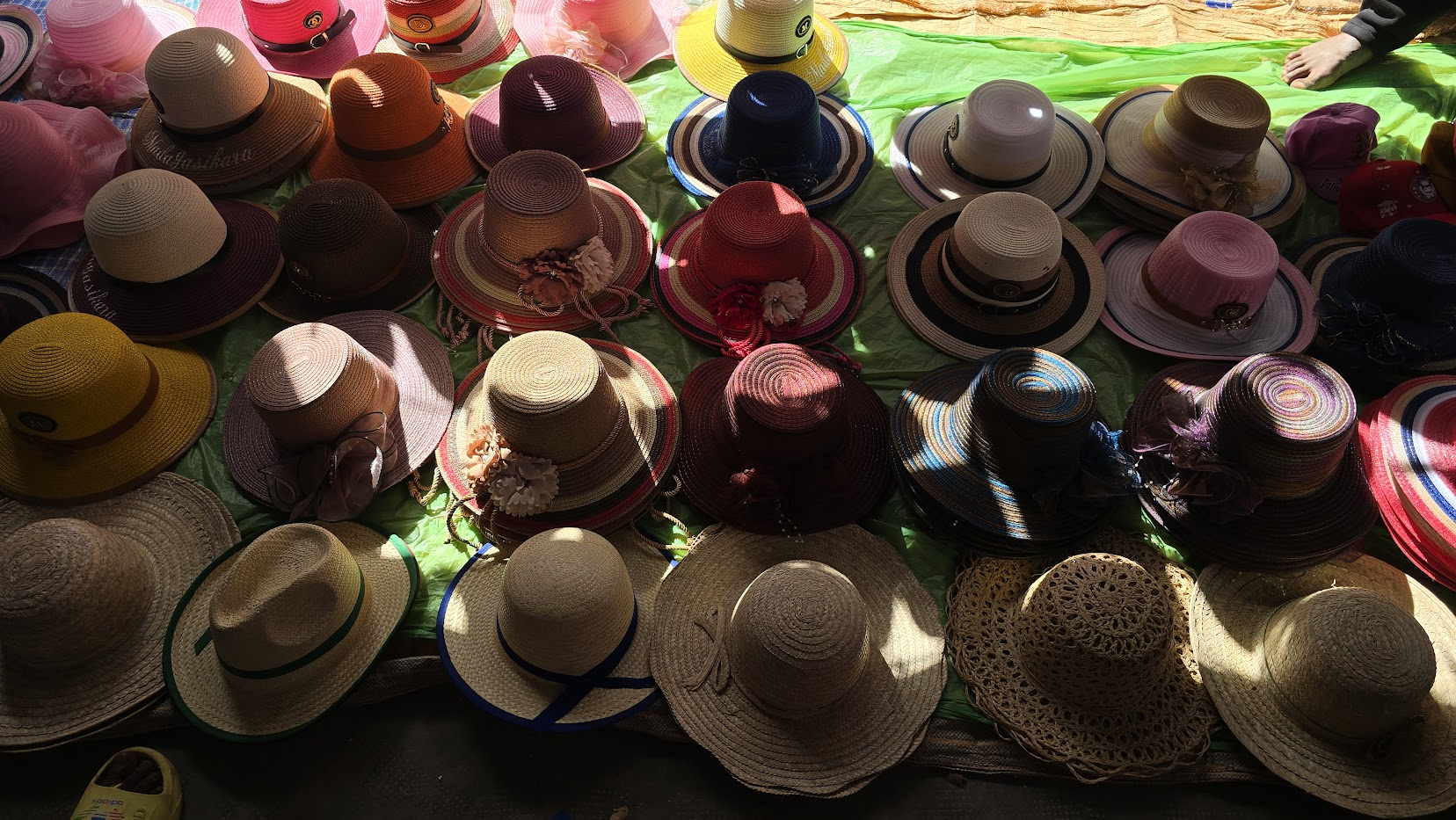
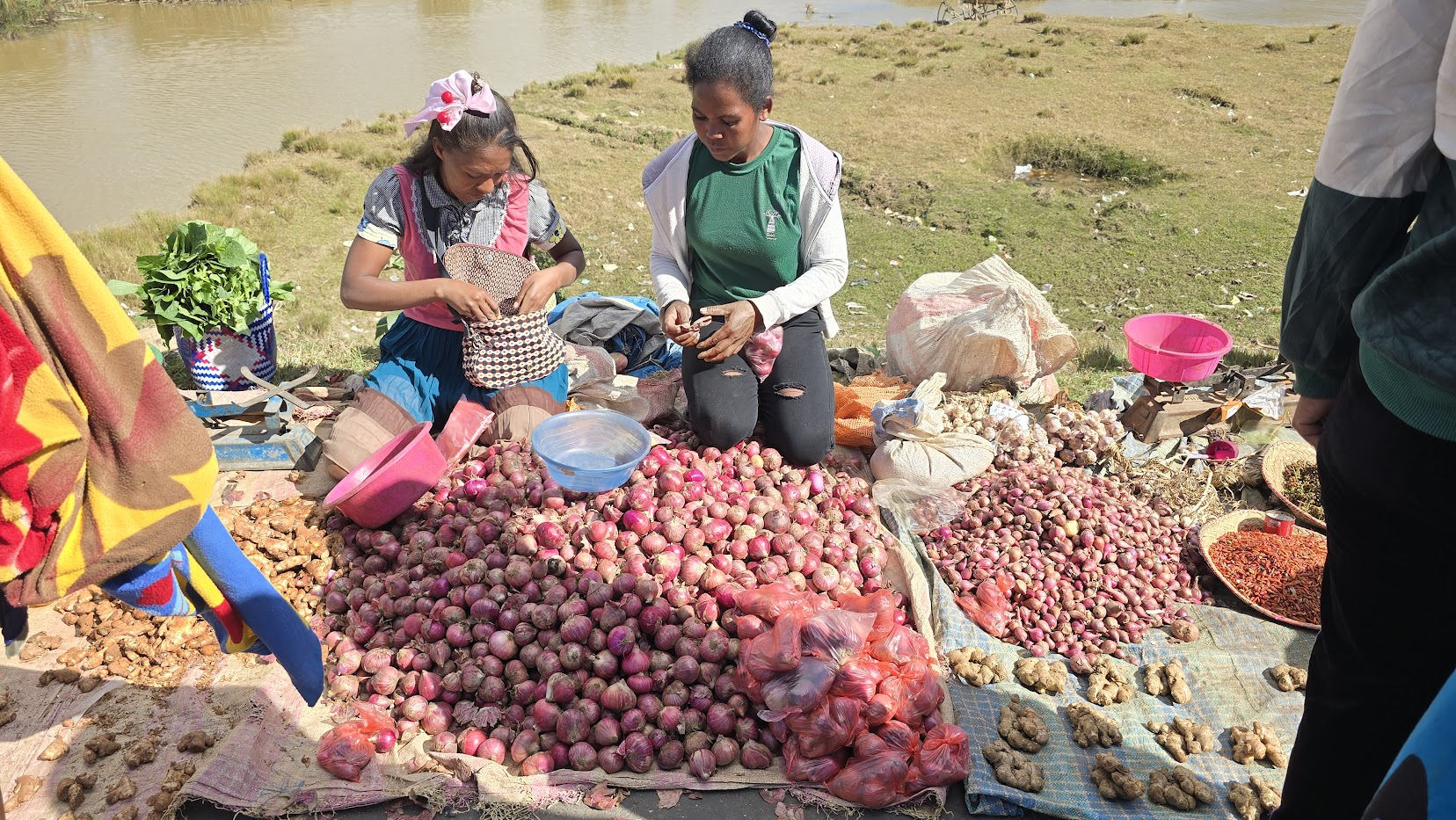
A short drive from Ambositra brought us to the village of Ivato, where market day was underway. It seemed to me a market on steroids. So many people shopping and so much for sale, from food to household goods to electronics to live chickens and ducks to textiles. I’ve been to markets in Mexico, but I’ve never seen anything as big and as crowded as this.
A few more stops
We stopped at a viewpoint.
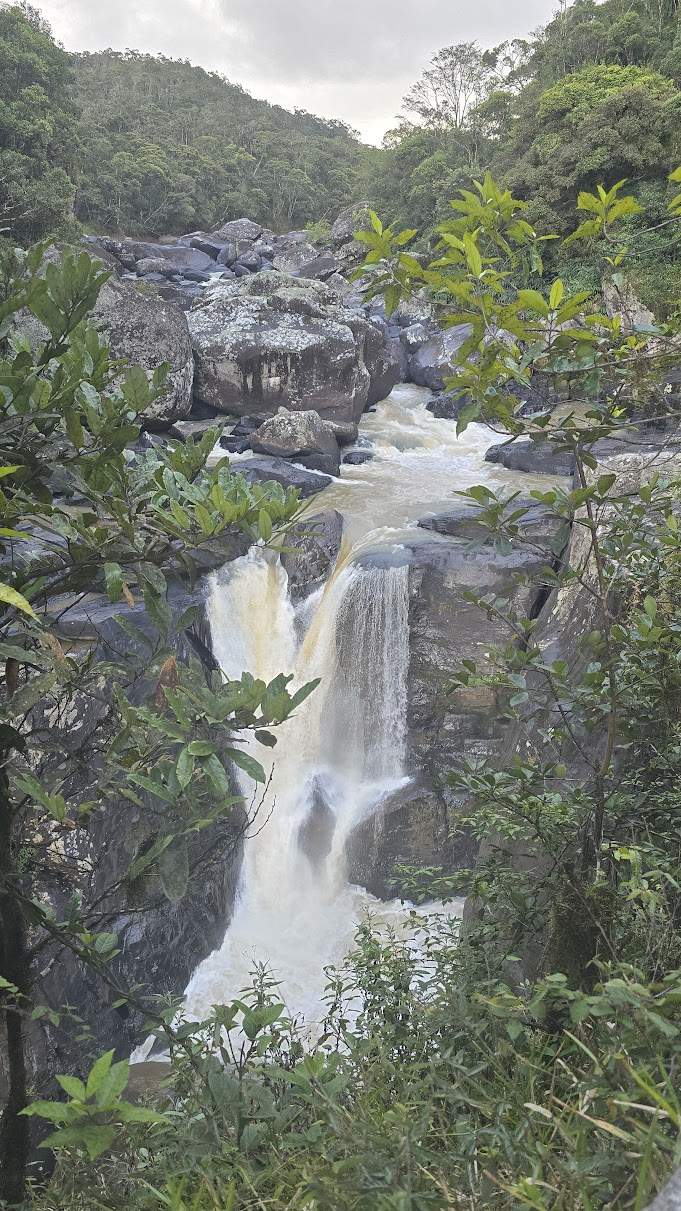
And at a waterfall.
Ranomafana
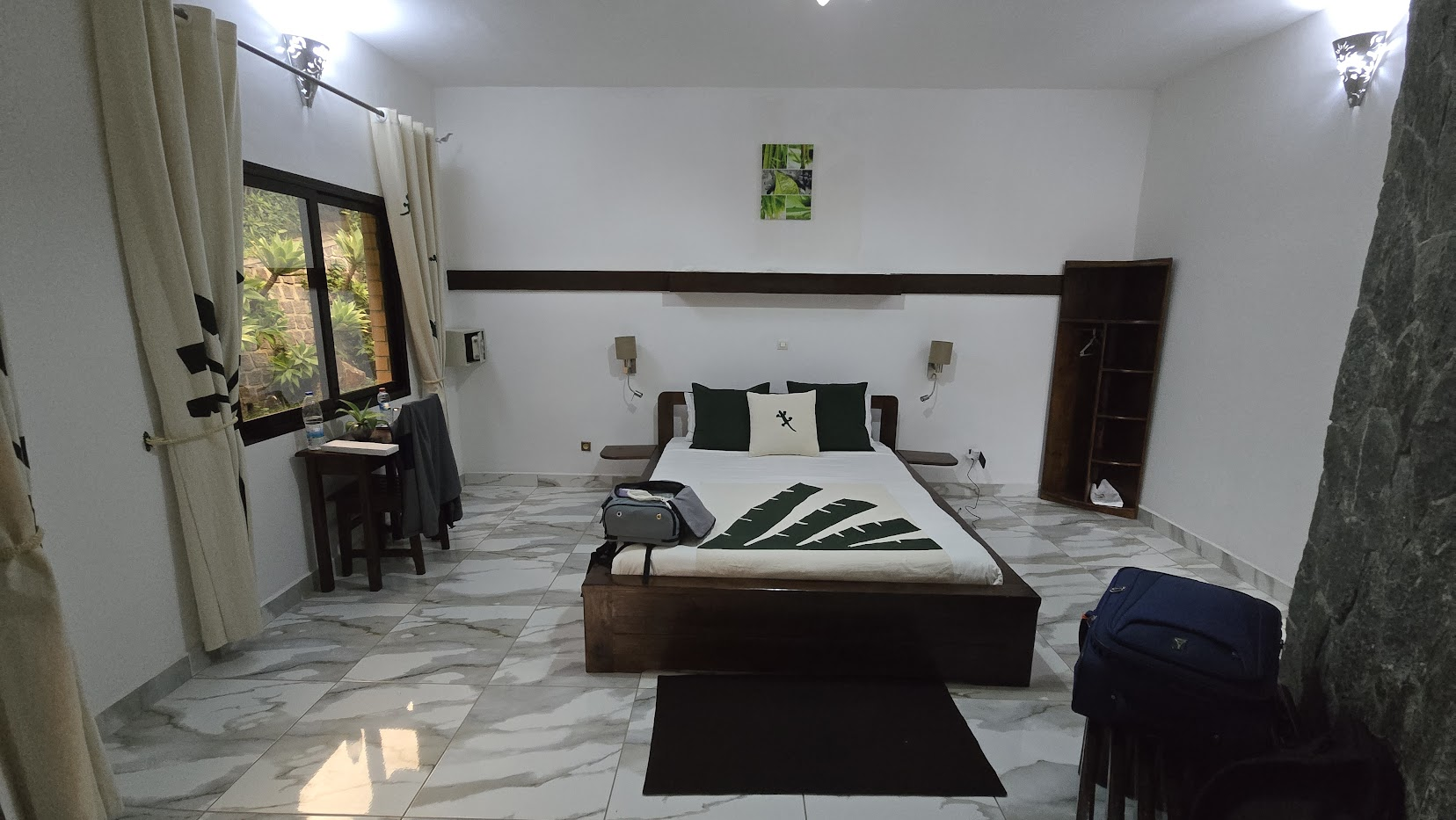
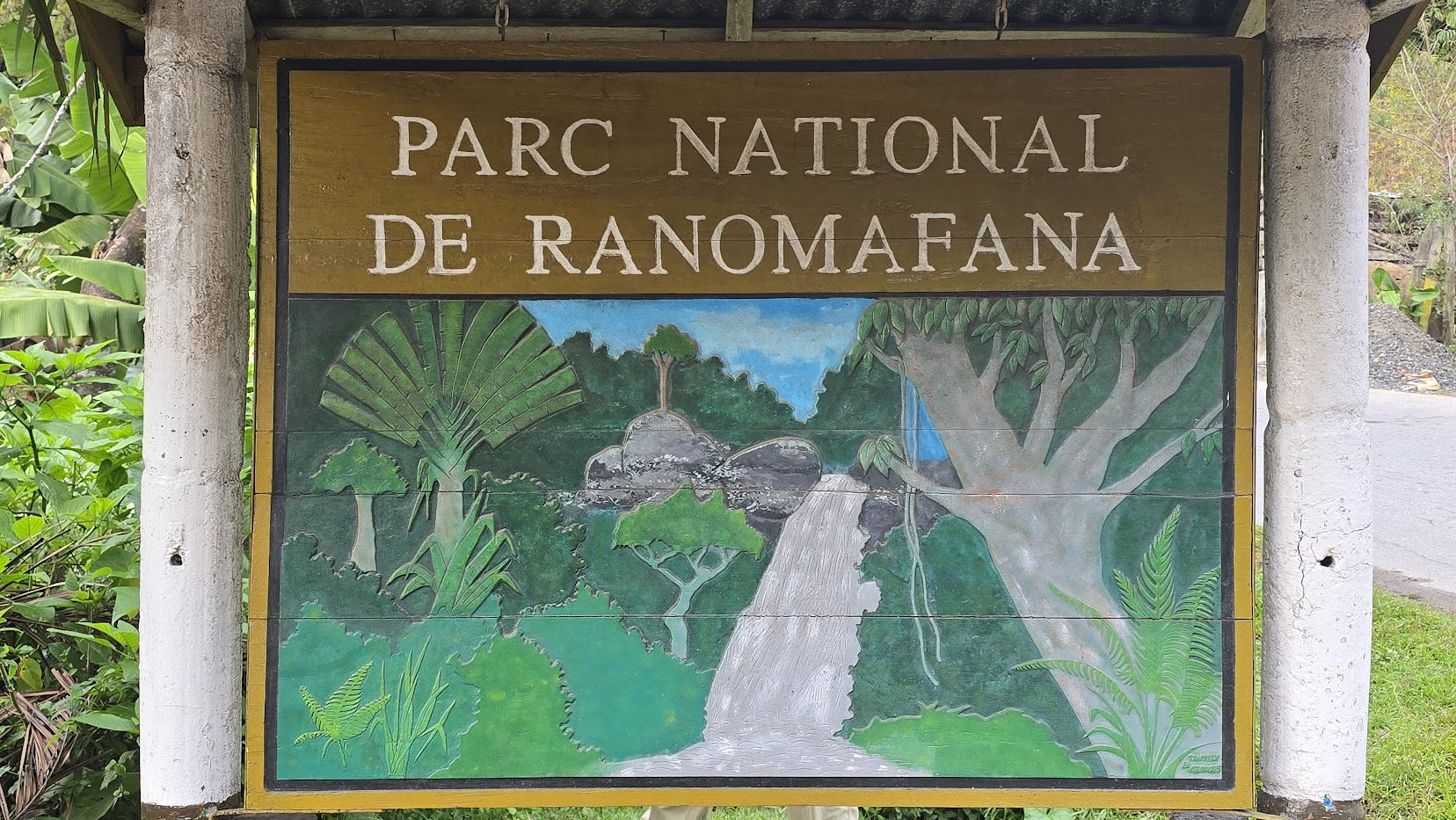
Last night we arrived in Ranomafana, which is a town and also the name of the National Park in the area. We are staying two nights at the Centrest Sejour Hotel. This hotel seems very nice, with clean, modern rooms, but no housekeeping, no shampoo, no hairdryer, no extra blanket, and a shower that sprays the entire bathroom with water. At least there is more than one outlet (in previous hotels I had to unplug the bedside lamp in order to charge my phone).
Night walk
Last night we did a night walk along the highway. The National Park borders the highway that leads to town, but it’s not possible to enter the park at night. But the walk was very productive. We saw a lot of critters.
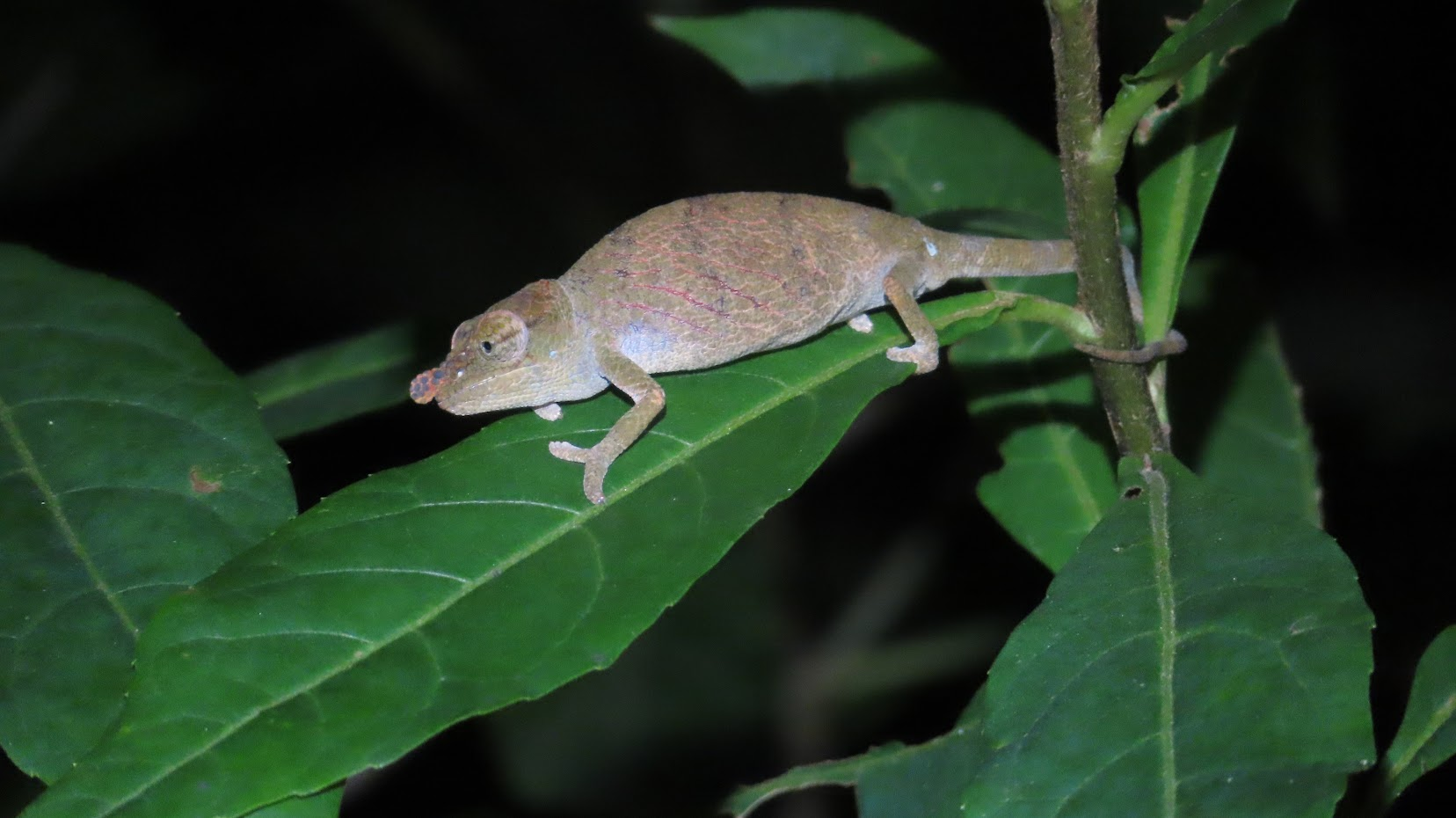
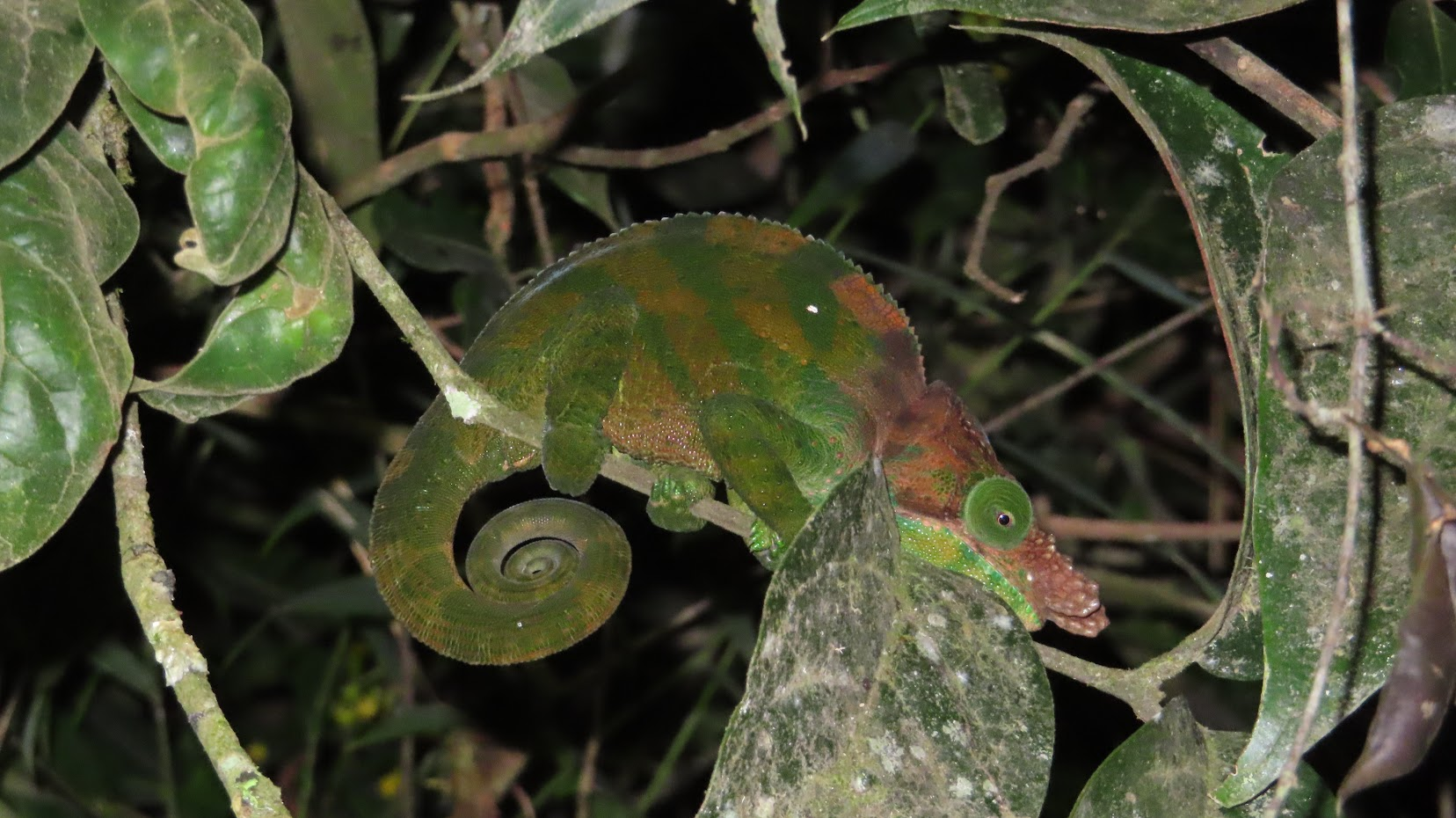
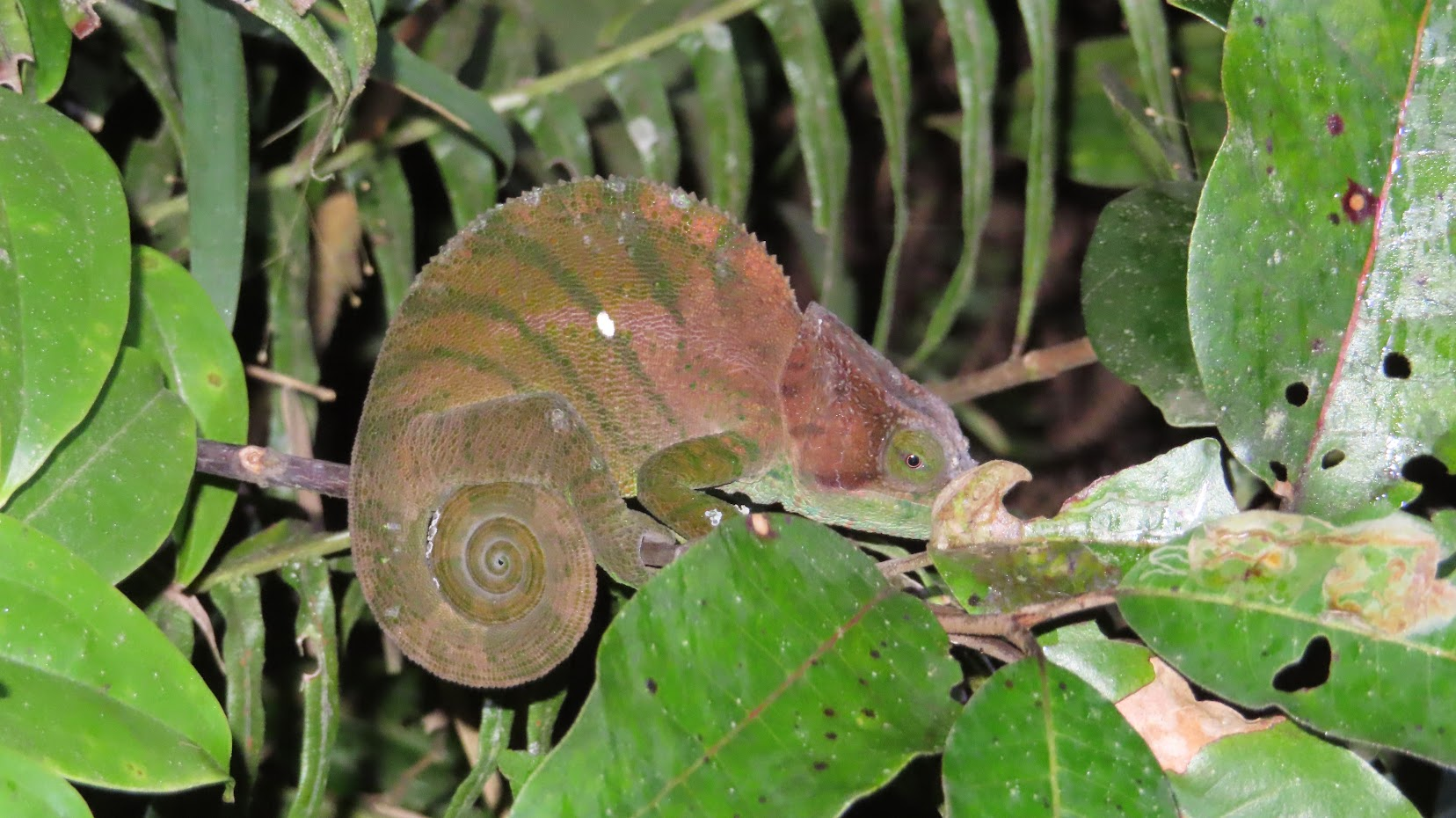
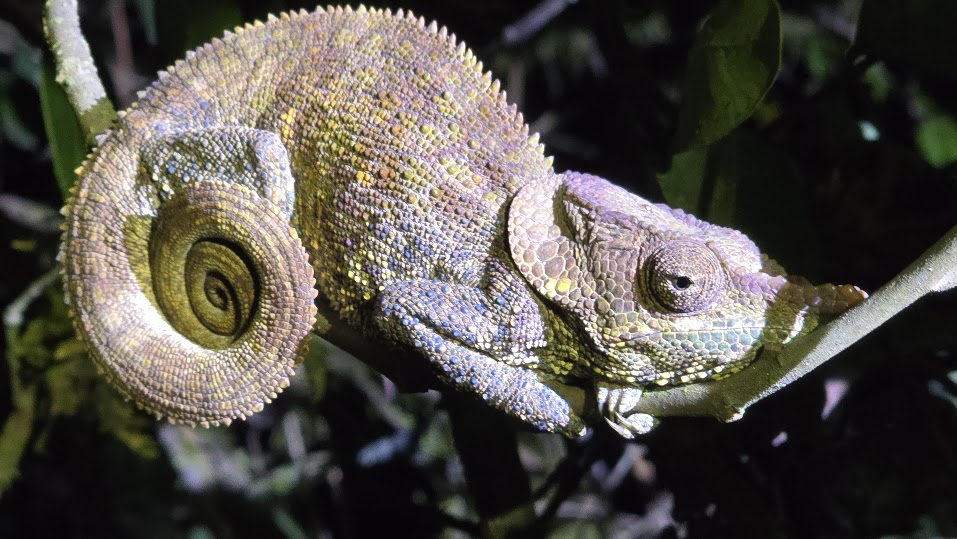
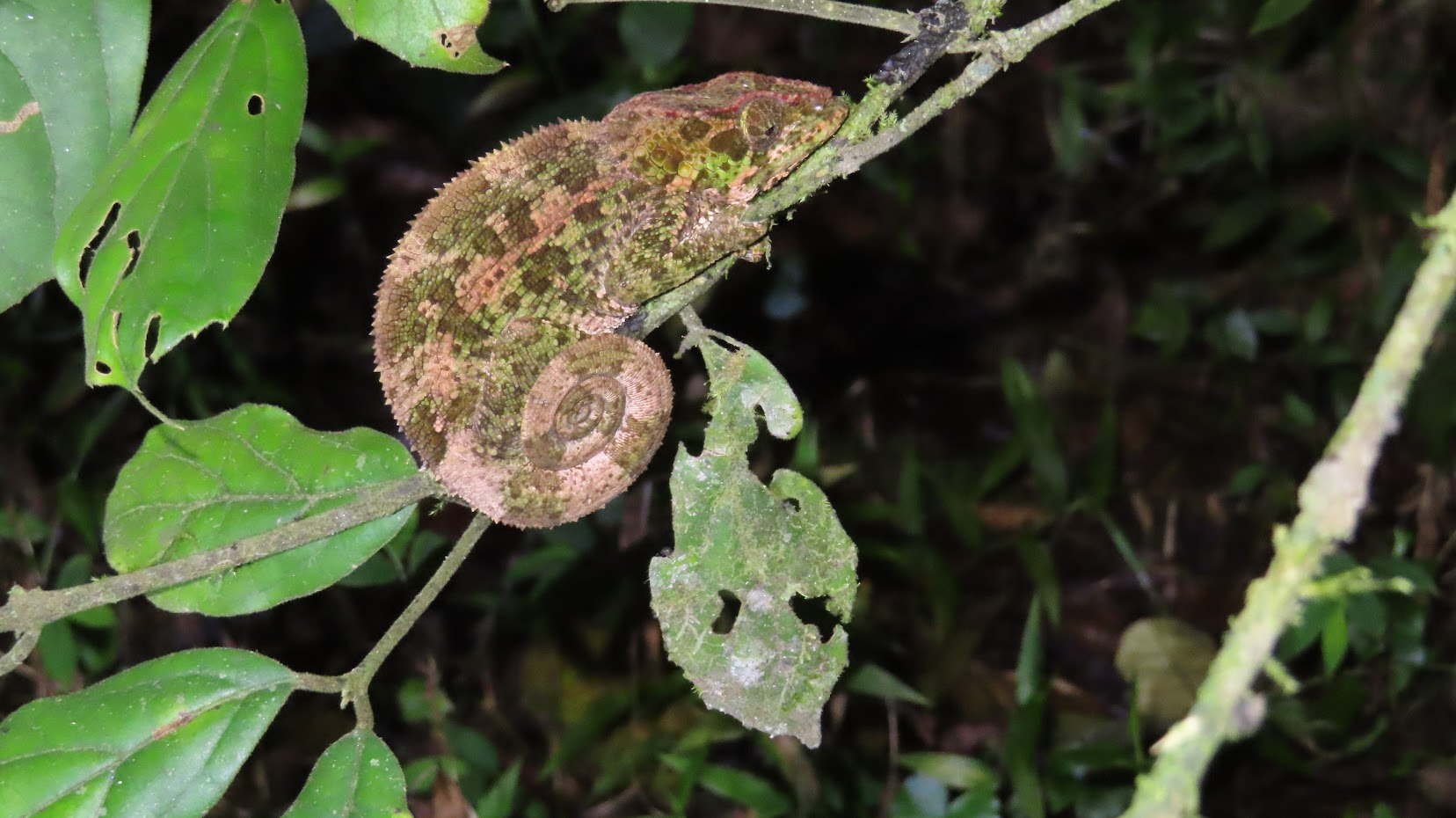
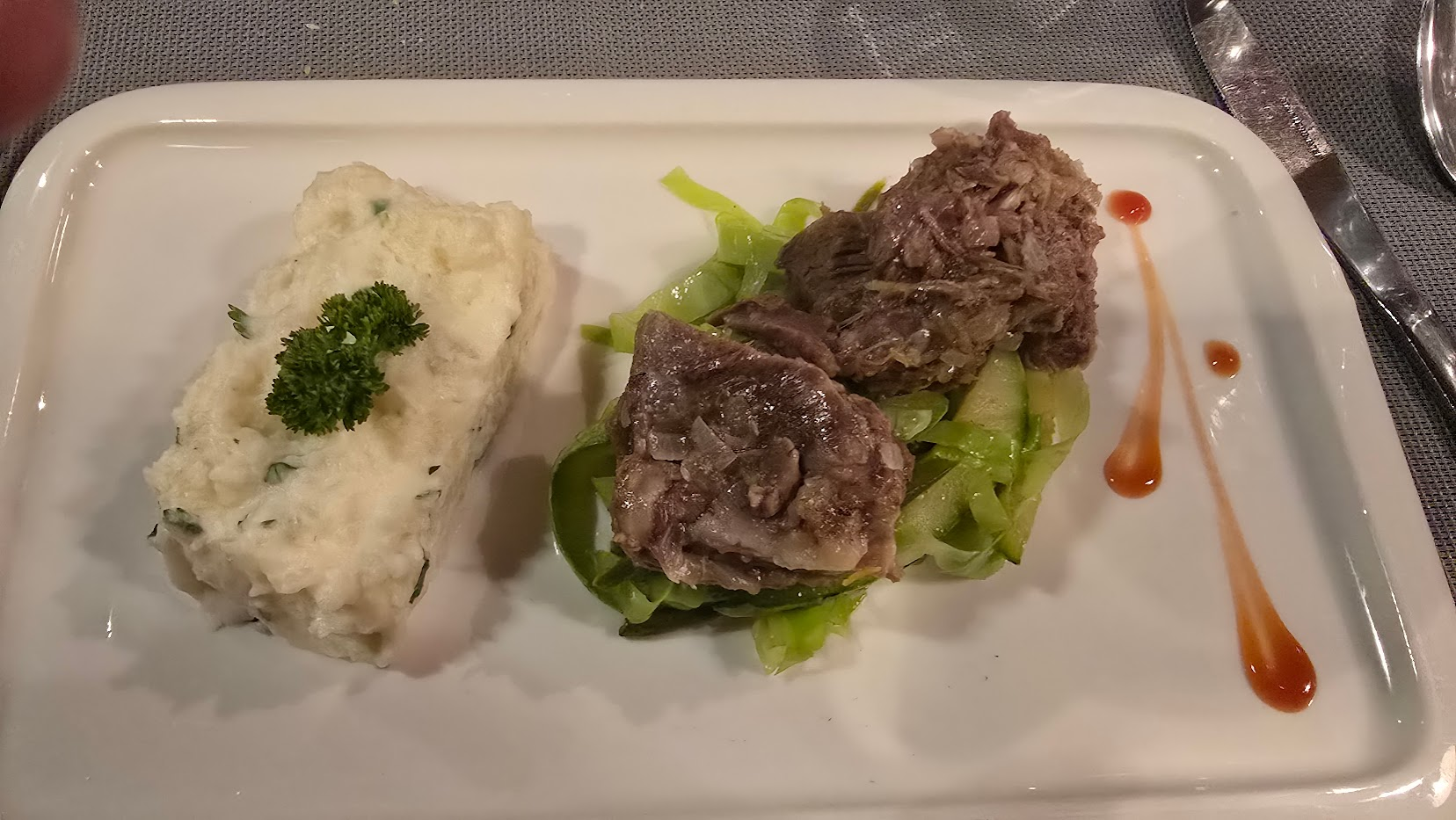
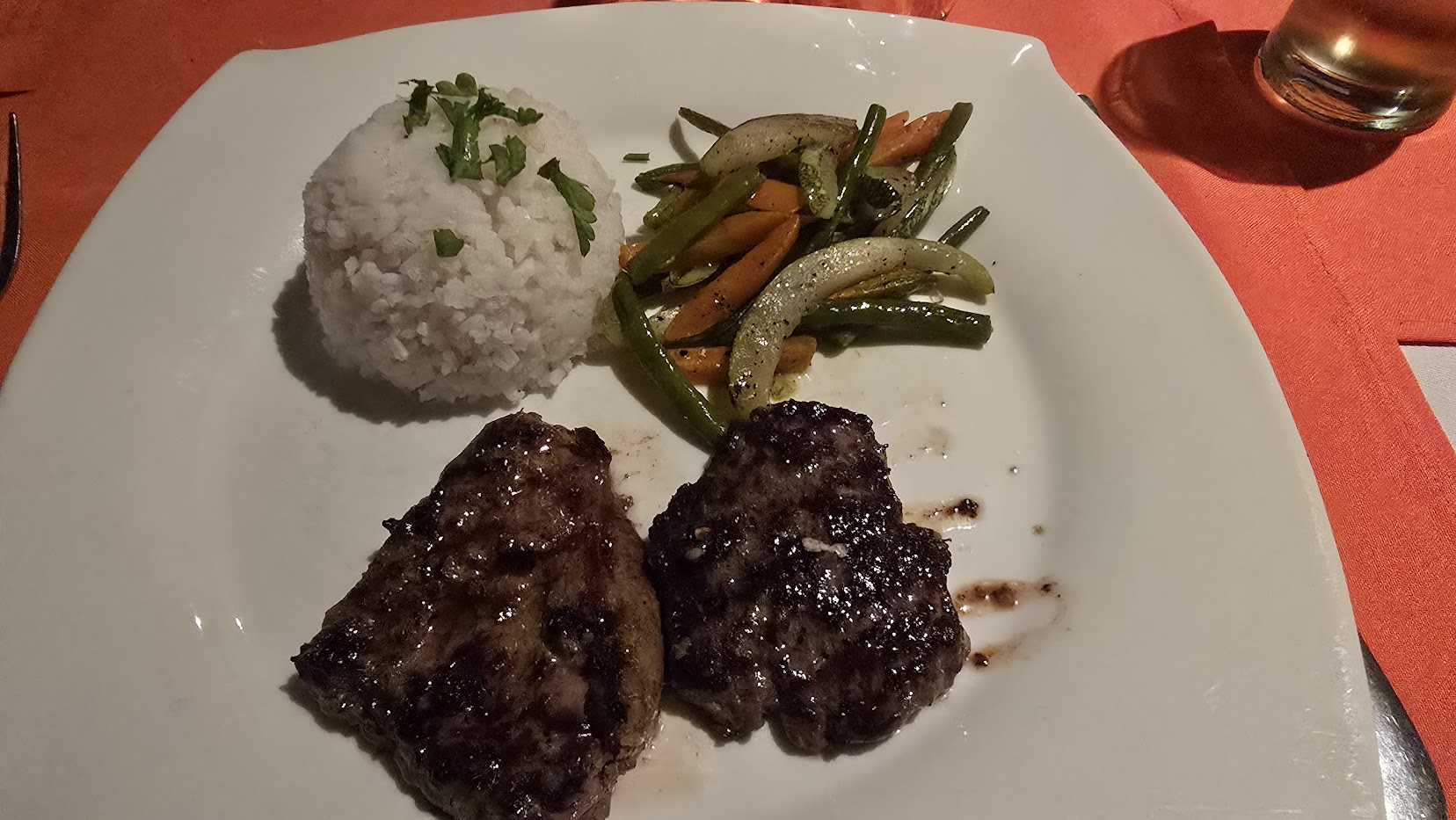
After the walk we had dinner at the hotel. I had zebu again. It was very tough.
Morning walk
The morning walk in the National Park this morning was also very thrilling, with a lot of lemurs to be found. It was also very difficult. First off, this is a rain forest, and even though it was a chilly morning, the humidity was very high humidity. That, combined with slippery footing, a lot of uphill, and the need at many times to negotiate very thick brush, made it extremely unpleasant from a physical comfort perspective. But I think it was worth it.
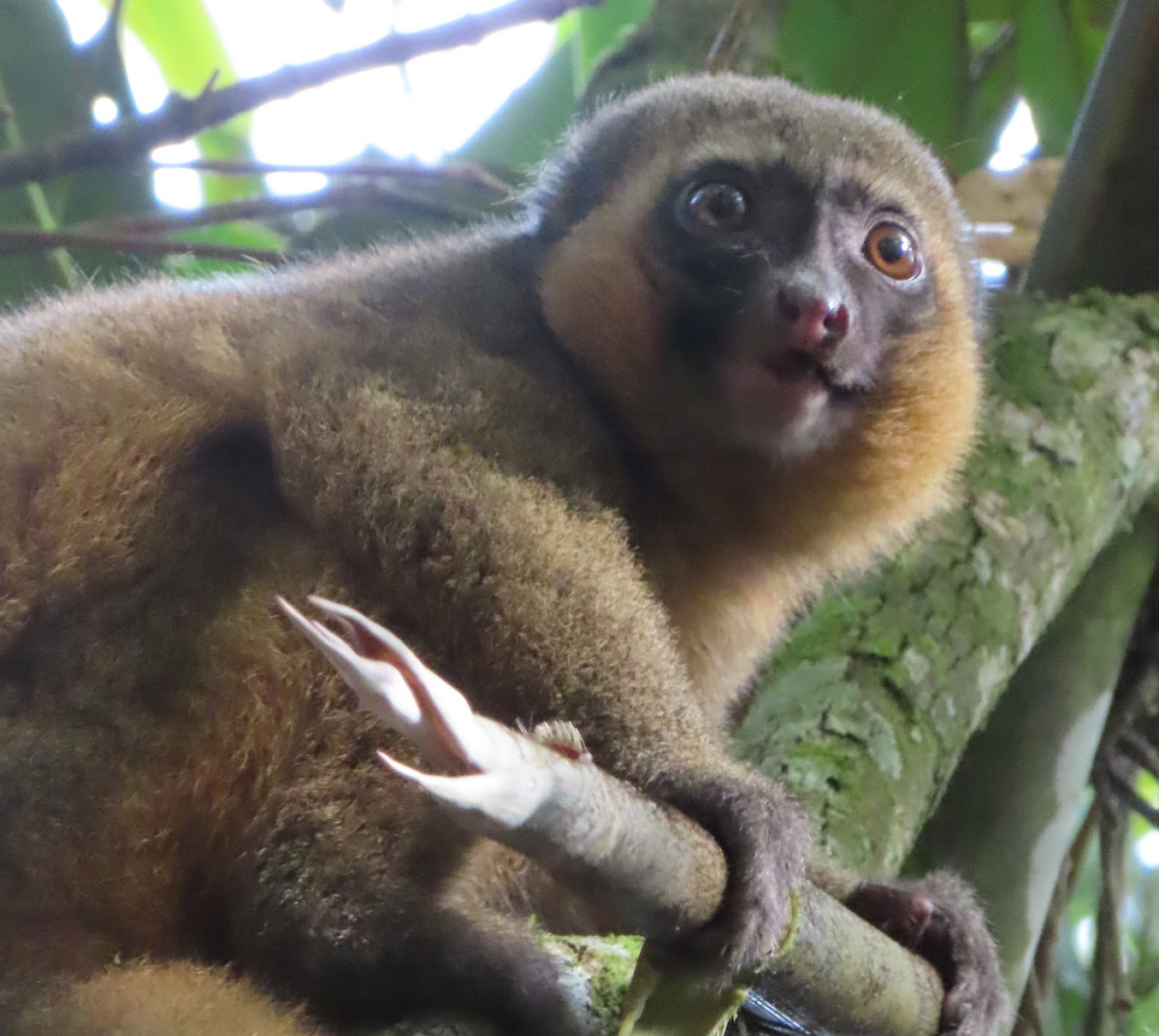
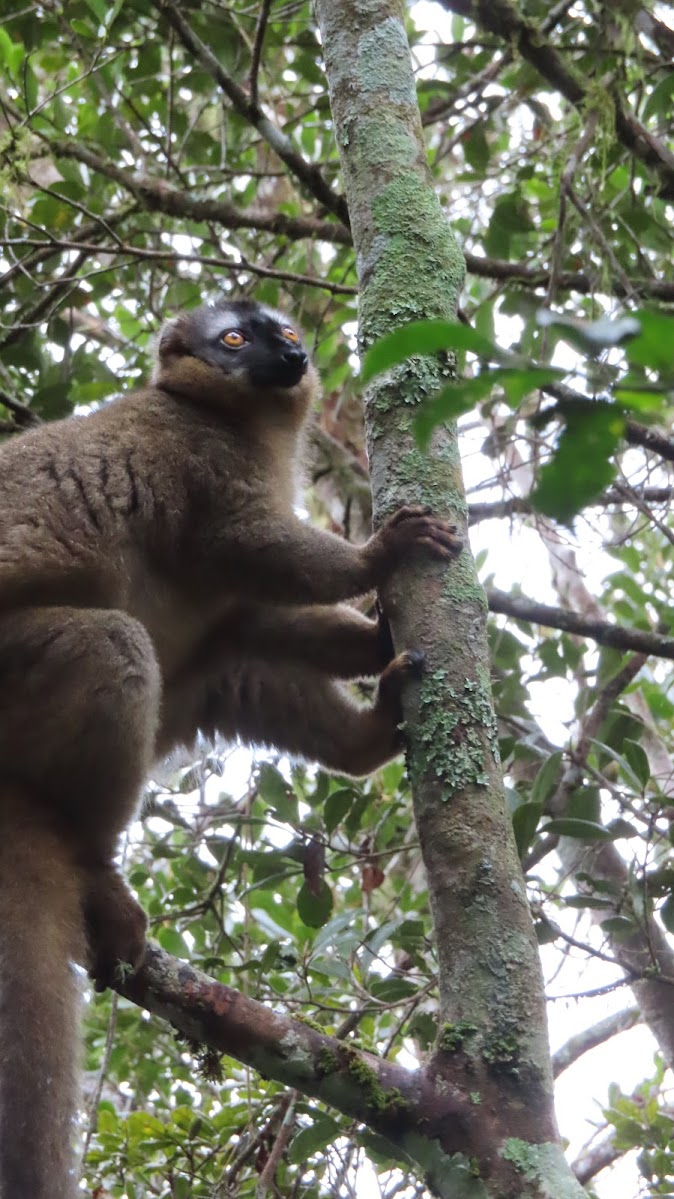
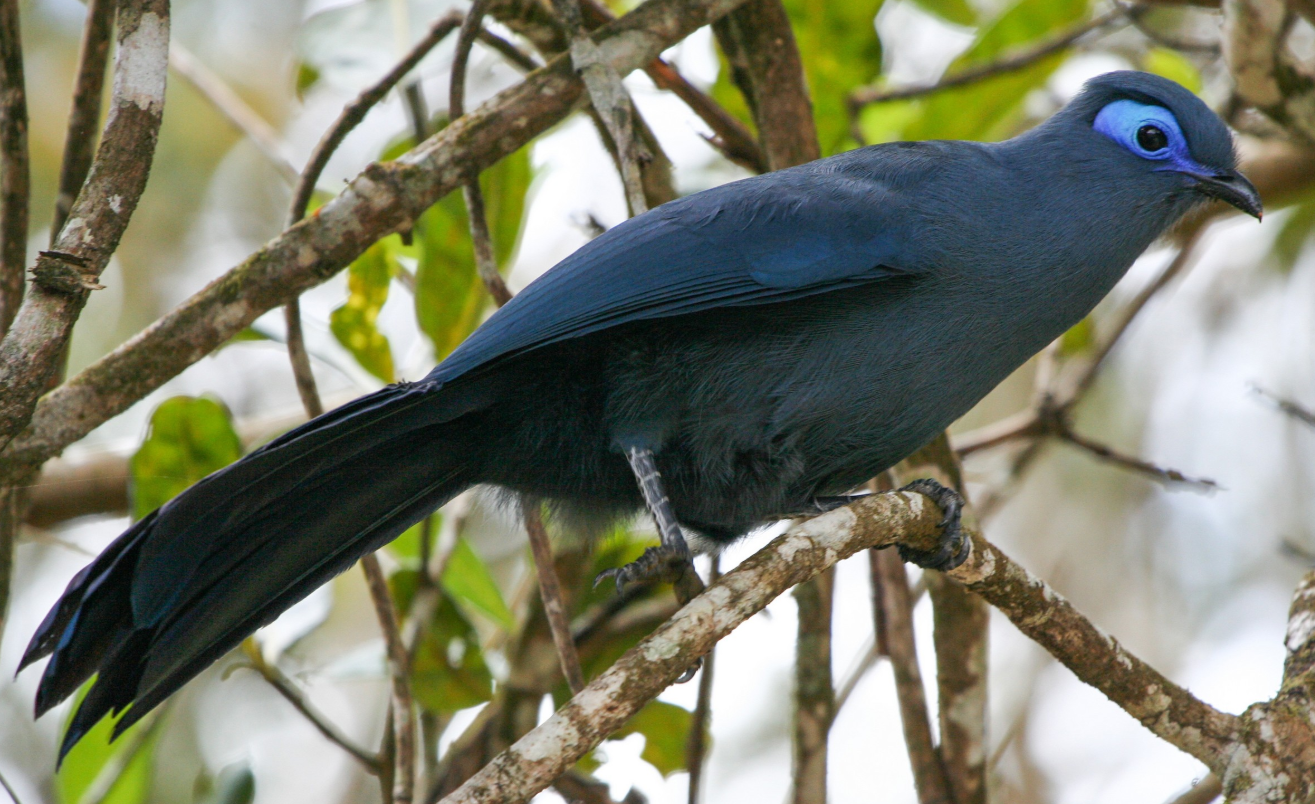
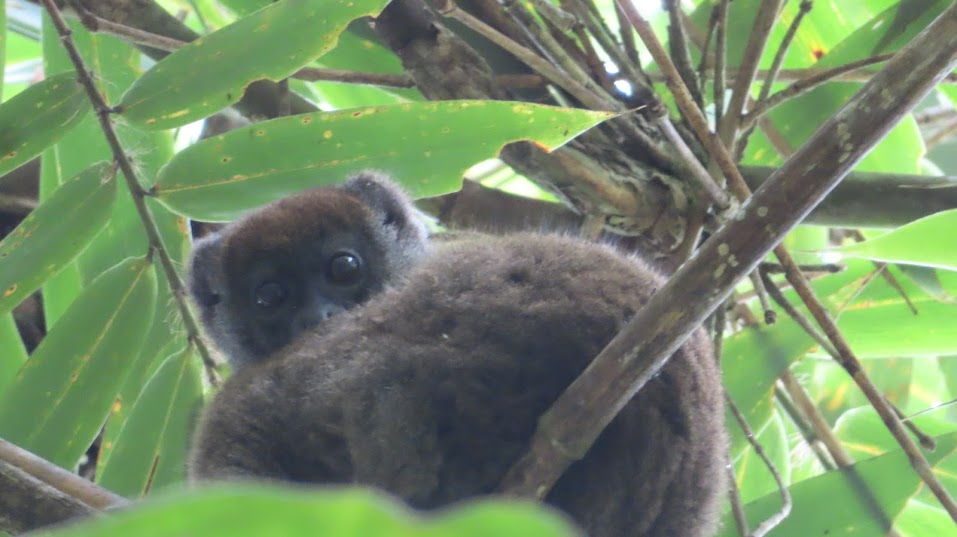
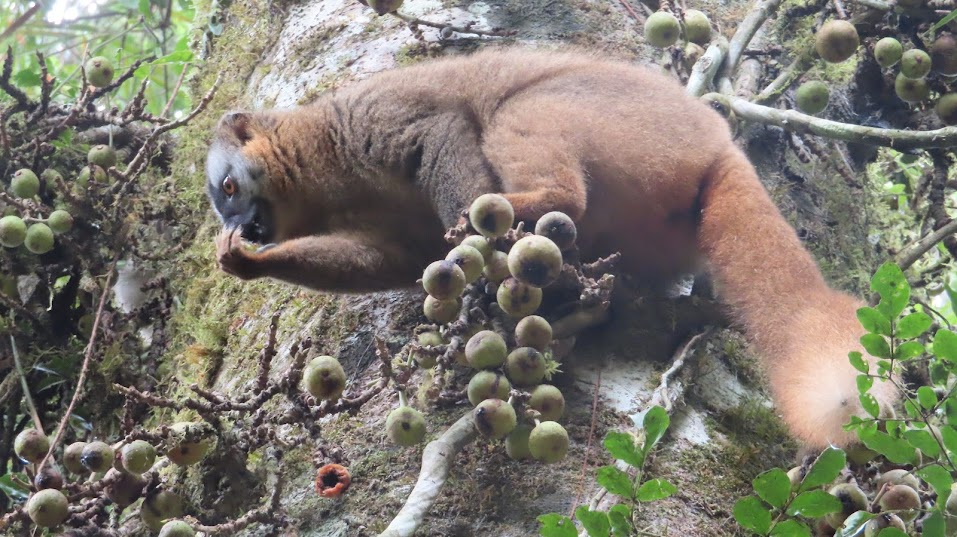
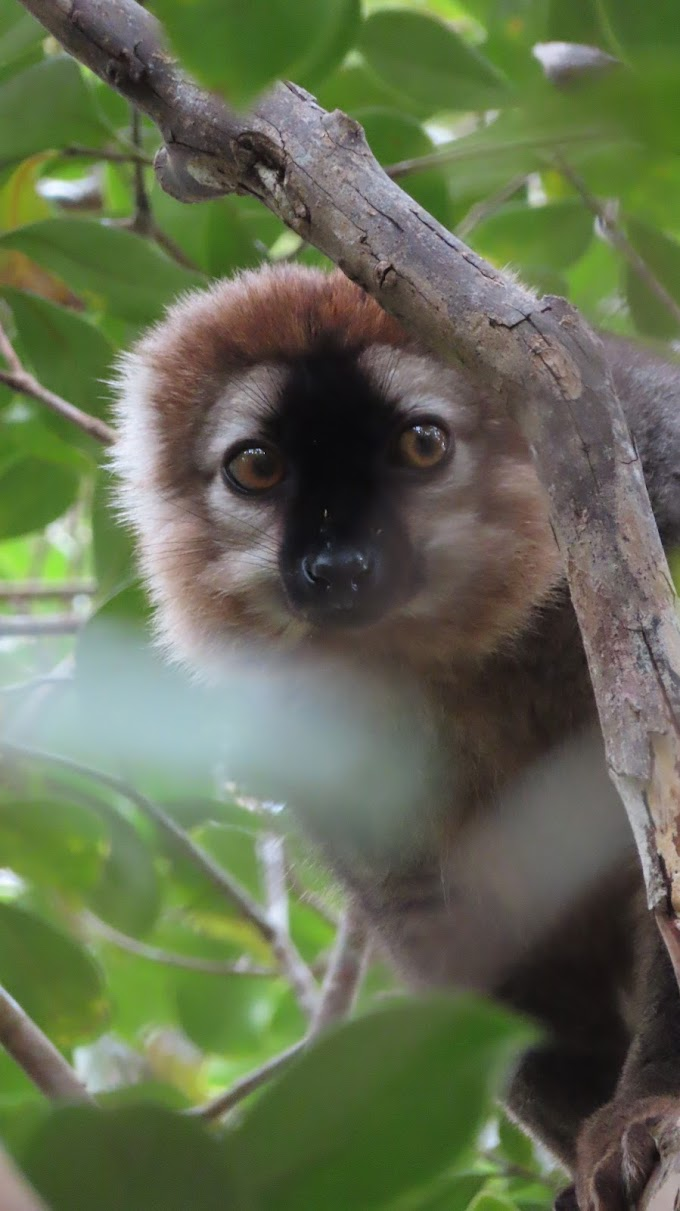
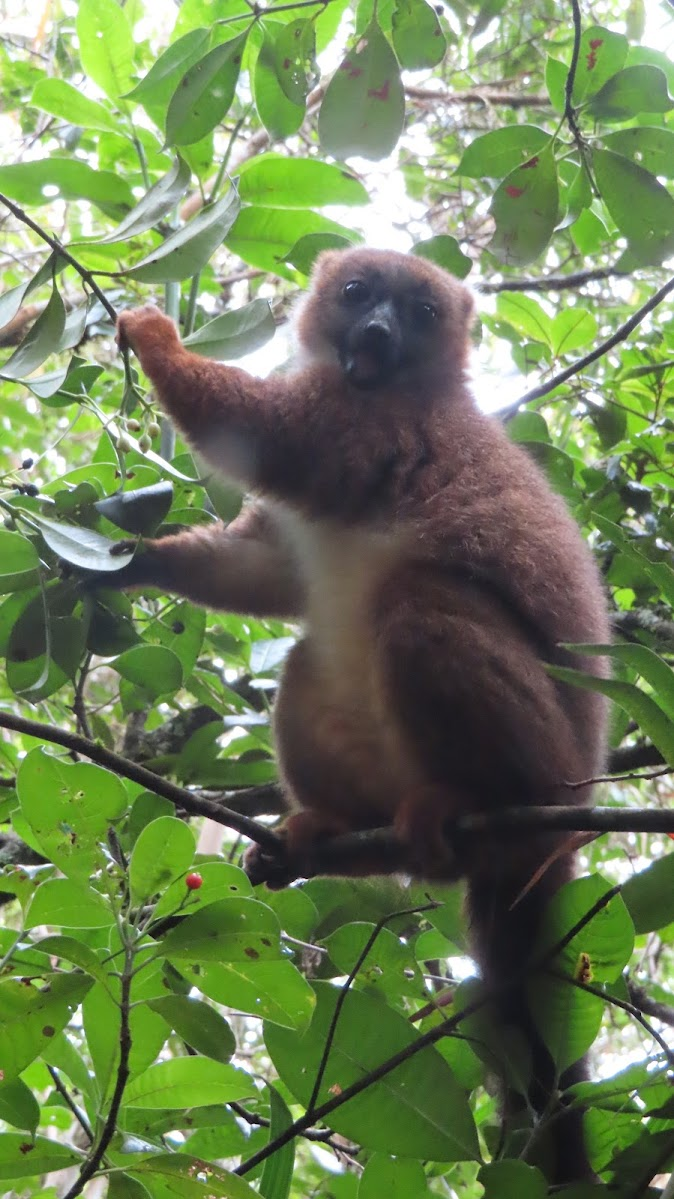
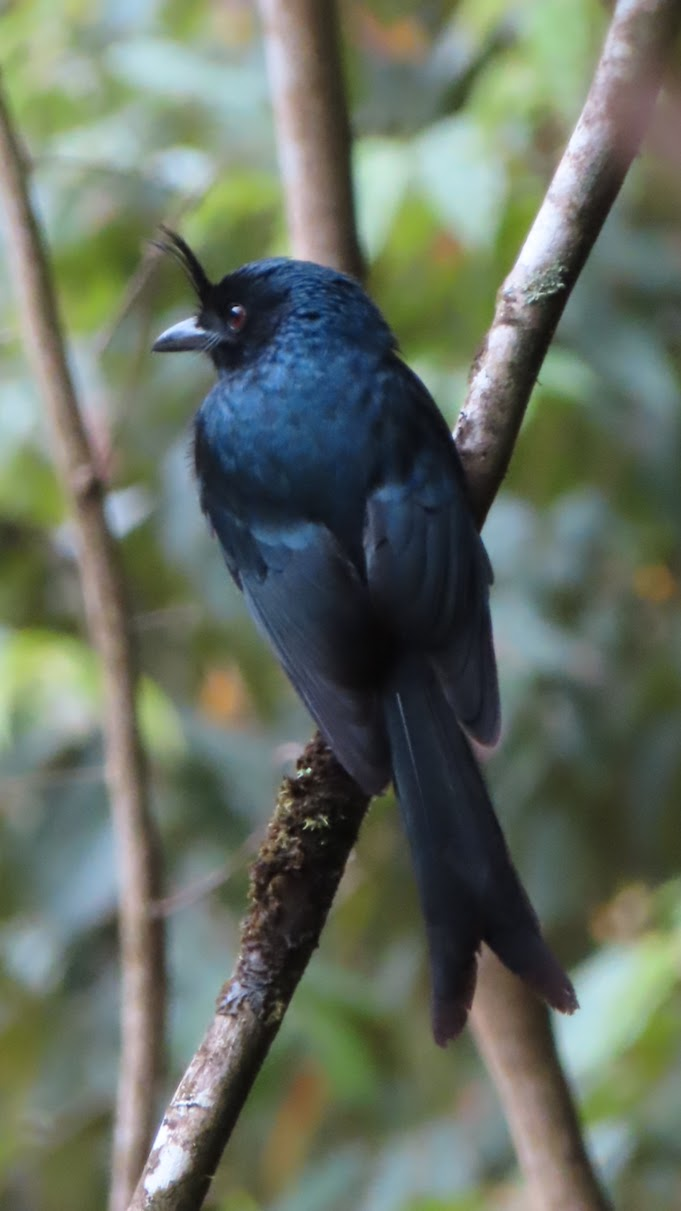
We were supposed to have another walk in the park in the afternoon, but I needed some downtime. Plus I wanted to work on this blog post. I hope you enjoyed all my photos from the last few days, and especially the critters of Ranomafana.
And before I go, here’s something my friend Cathy sent me.
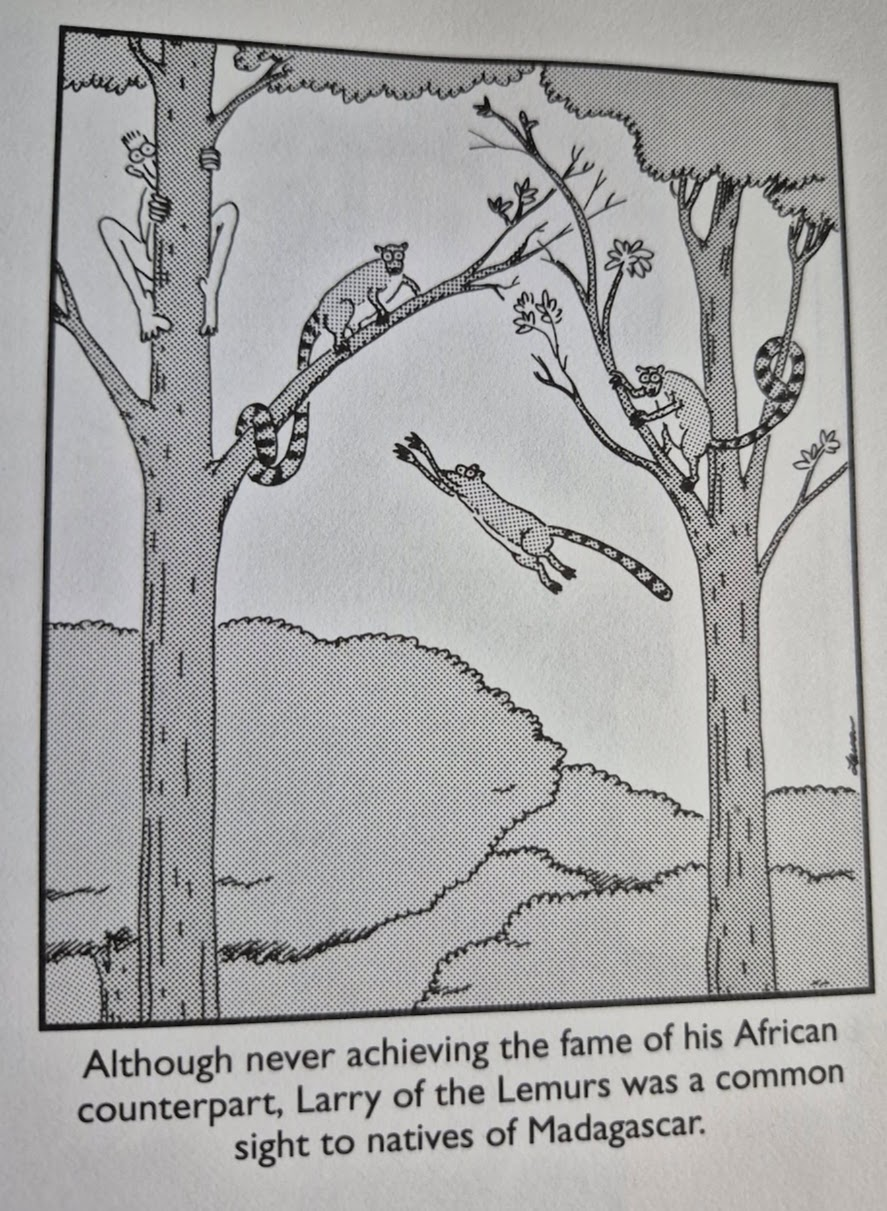
I’m sorry (or actually relieved) to say we didn’t encounter Larry.
Wow. You really educated me about Madagascar. I never expected the poverty.
Thank you for sharing your photos and experiences; I feel as if I’m there! I almost selected to go to Madagascar as the post trip to my South Africa trip (next April); but instead will be going to Namibia. For me, I think I made the right decision. Time will tell!
How interesting to see (almost!) Western covered wagons!
Lane, the woodworking saw is genius and the fellow’s work, indeed stunning. Love the video of the golden lemurs sharing food. Thanks for sharing your adventure. It’s enough of a glimpse to satisfy my curiosity and keep me from heading there. I don’t think I’d like the food or the accommodations.?
Very interesting place!
I have so much enjoyed all your posts. I think extreme poverty is the world’s universe language, just better camouflaged in some countries. The pictures of the people remind me of my time in Niger, except it is more barren there.…but the faces are the same. Thanks again!
Wow! So much to see. That market was amazing.
So much of this country has been amazing!