
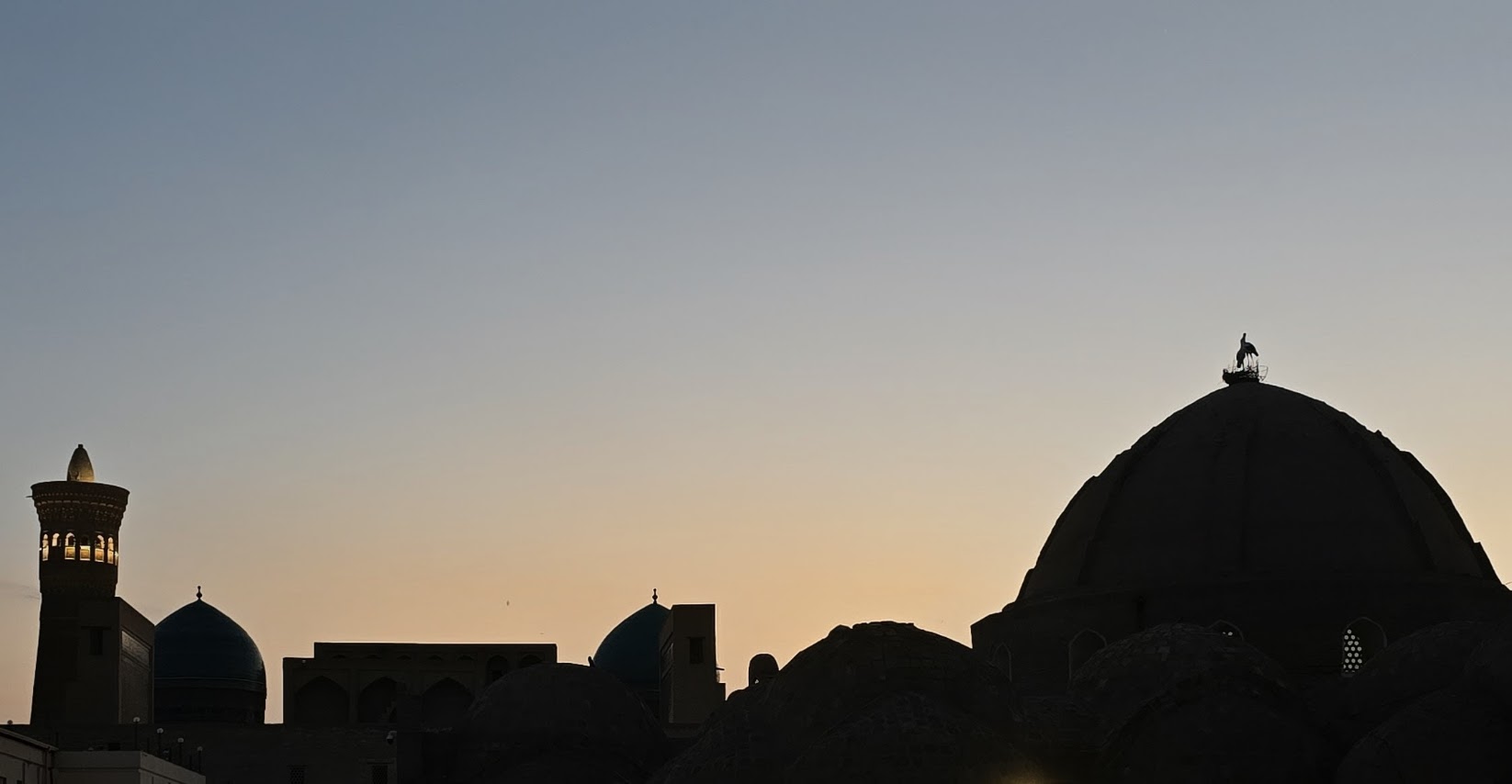
Bukhara: A gem for tourists that’s a real gem
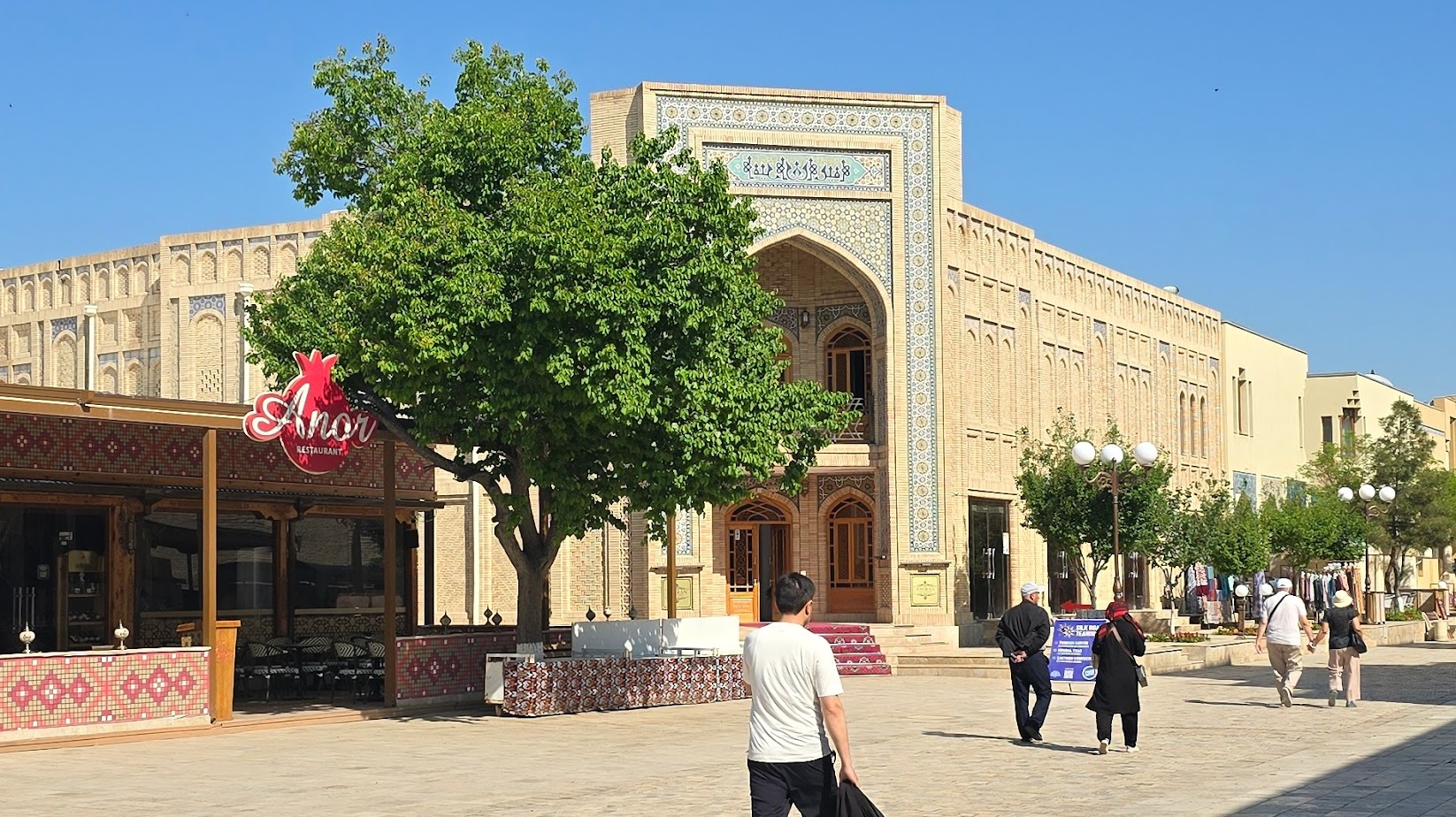
Even though Bukhara is filled with tourists and the things tourists love, it also ticks all the boxes for me as a lover of travel. It’s a delight to wander around here. The old town is beautiful, and its newest buildings blend perfectly with the historical ones. Bukhara was a major hub on the Silk Road, and wherever you go, it reflects that history. As I walked around, I could imagine the camel caravans, merchants, fascinating wares, and exotic characters that walked here hundreds of years ago.
I don’t know how anyone who loves travel wouldn’t love Bukhara. Even though it now caters to tourists, it feels like it hasn’t lost its soul.
As a UNESCO World Heritage site, Bukhara has done a great job of maintaining its character. I honestly have had trouble distinguishing some newer buildings from older ones.

The Silk Road
From what I’ve learned, the Silk Road was not a road, and it was not primarily about the silk trade.
A network of trade routes was active from the 2nd to the 15th centuries. Even before that, during the height of the Roman Empire, many of these routes were in use. While silk textiles from China were an important part of the trade, spices and jade were at least as important along certain routes and during certain periods.
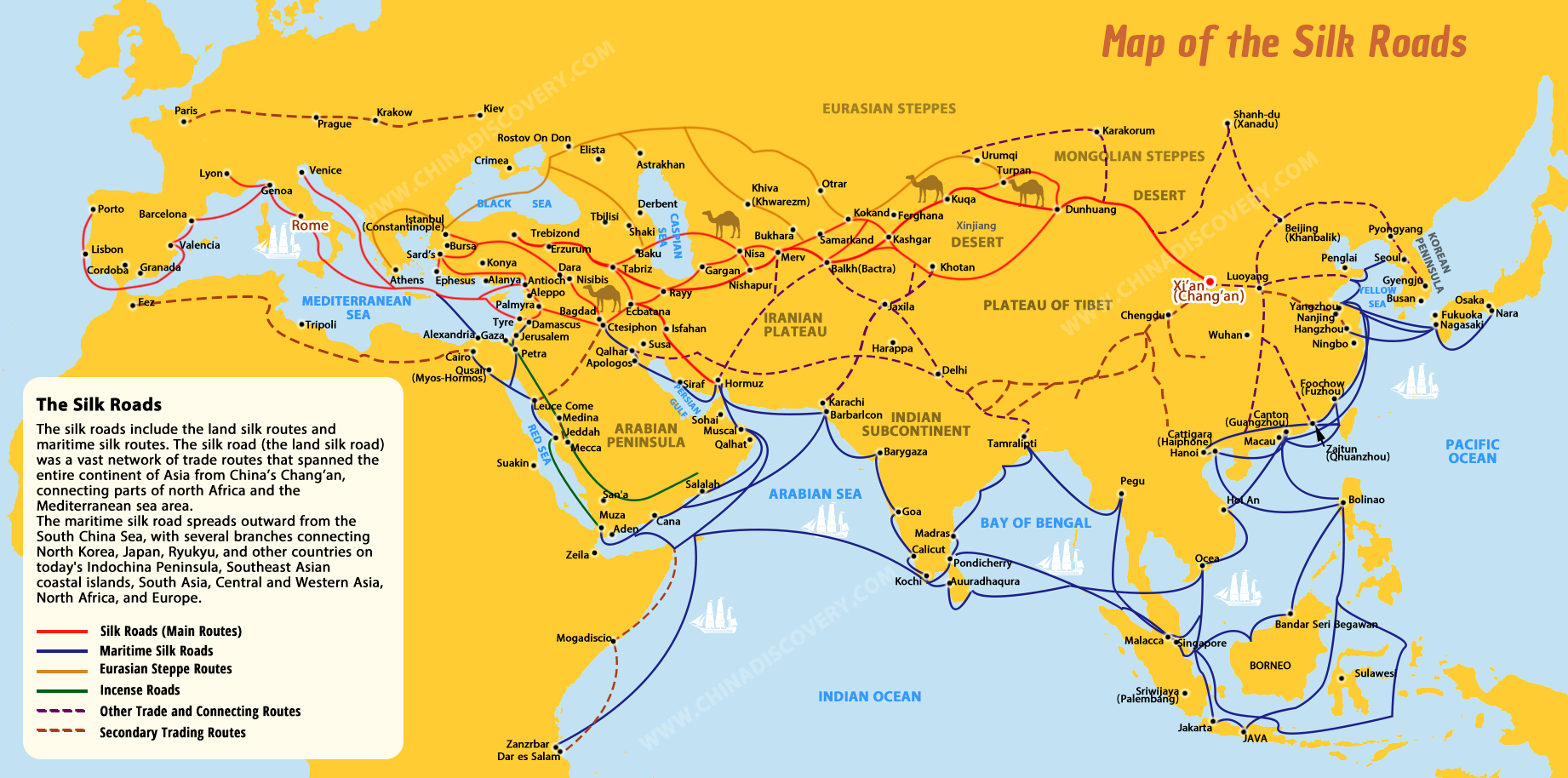
Bukhara was a pivotal trading, cultural, and religious hub on one of the primary routes of the Silk Road for many centuries. It reached its pinnacle during the Samanid Empire, from 819 until 999, when it was the center of Persian culture, but its importance lasted as long as the trading routes were active, even into the 16th century. The city featured extensive, specialized trading domes where merchants exchanged goods, including silk, spices, ceramics, and carpets.


Bukhara also served as a focal point of Islamic learning and science. Unfortunately, Genghis Khan mostly leveled the city in 1220, and few of the key structures from before then have survived. The few exceptions are evidence of brilliant architectural achievements in the 9th-12th centuries.

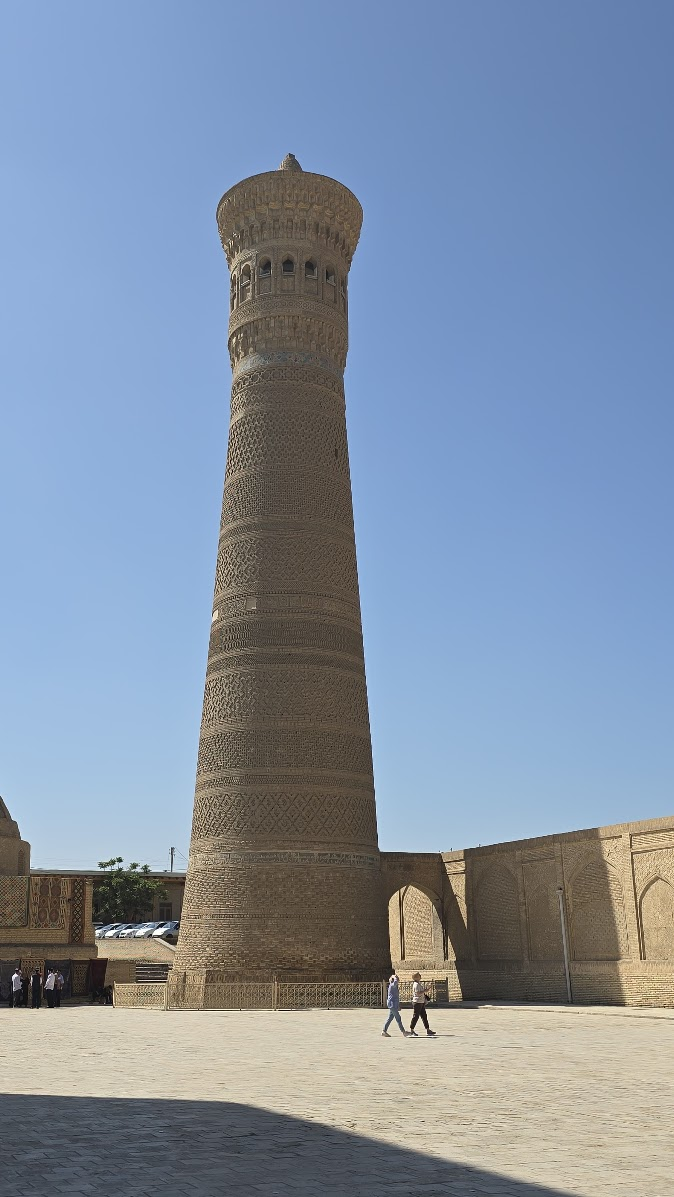

Of course, the madrasas and other monuments from after the 13th century contribute to the delightful charm of Bukhara.

The Soviets closed all the madrasas during the 1920s and 1930s, but this one was allowed to reopen in 1946. It was the only Muslim secondary education instution in the USSR. It still functions as an active madrasa.


Bukhara, Tourist Mecca
So today there are lots of crowds and lots of souvenir shops. But somehow it still feels like the legacy of the Silk Road thrives. Sure, there is no shortage of t‑shirts and refrigerator magnets. But carpets, textiles, and vast displays of ceramics, woodwork, metalwork, abound in Bukhara. I could easily imagine I was walking amidst the merchants of the 15th century. (Okay, not easily, but I have a pretty good imagination.)
It’s a shopper’s paradise! And I admit I succumbed.


As you can imagine, I took lots and lots of photos in this beautiful city. Here they are.