
Next: The Far East
My next big adventure is to an area that has been beckoning for a while: The Far East. Although I visited Southeast Asia in 2024 and 2025, there is a big swath of eastern Asia I have passed over.
Until now.
In just one week, I leave for a two-and-a-half-month adventure to five east Asian countries. I’ll be traveling mostly with my old standby tour company, Overseas Adventure Travel, but I’m doing part of it independently.
How it came together
I started with two OAT tours. South Korea & Japan: Temples, Shrines & Seaside Treasures comes first. That is followed by China’s Imperial Cities, Natural Splendor & Modern Marvels. With pre-trips and post-trips, that’s a full two months. That might be long enough for most people, but not for me! If I’m going all that way, why would I want to come right home?
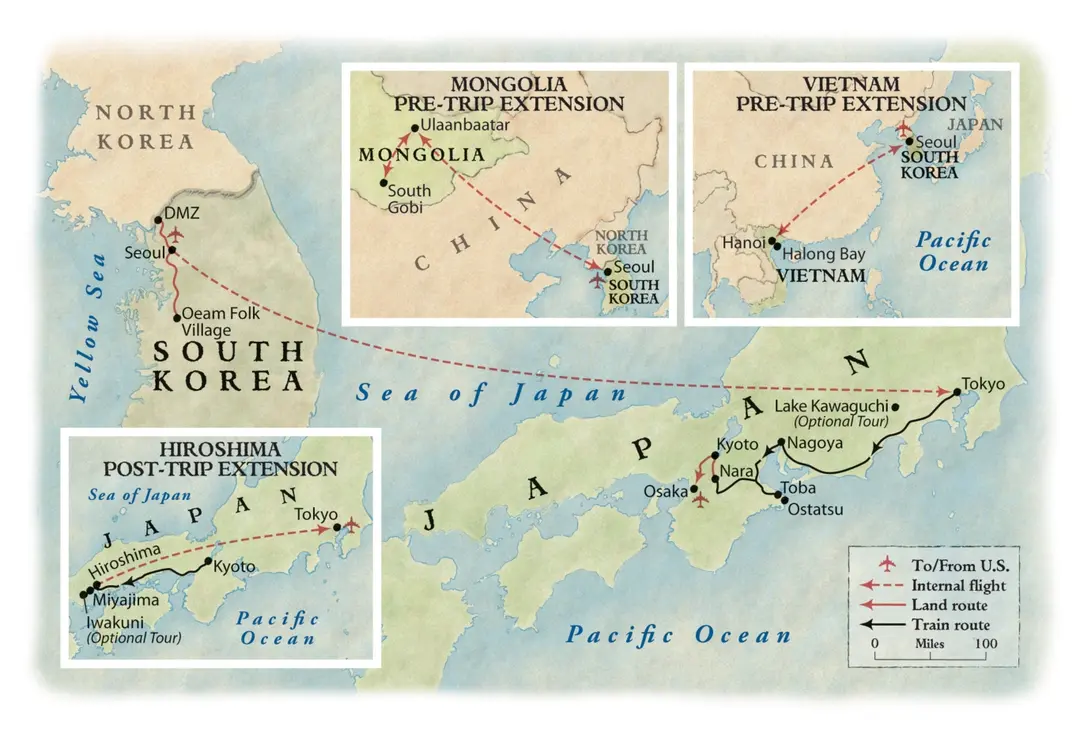
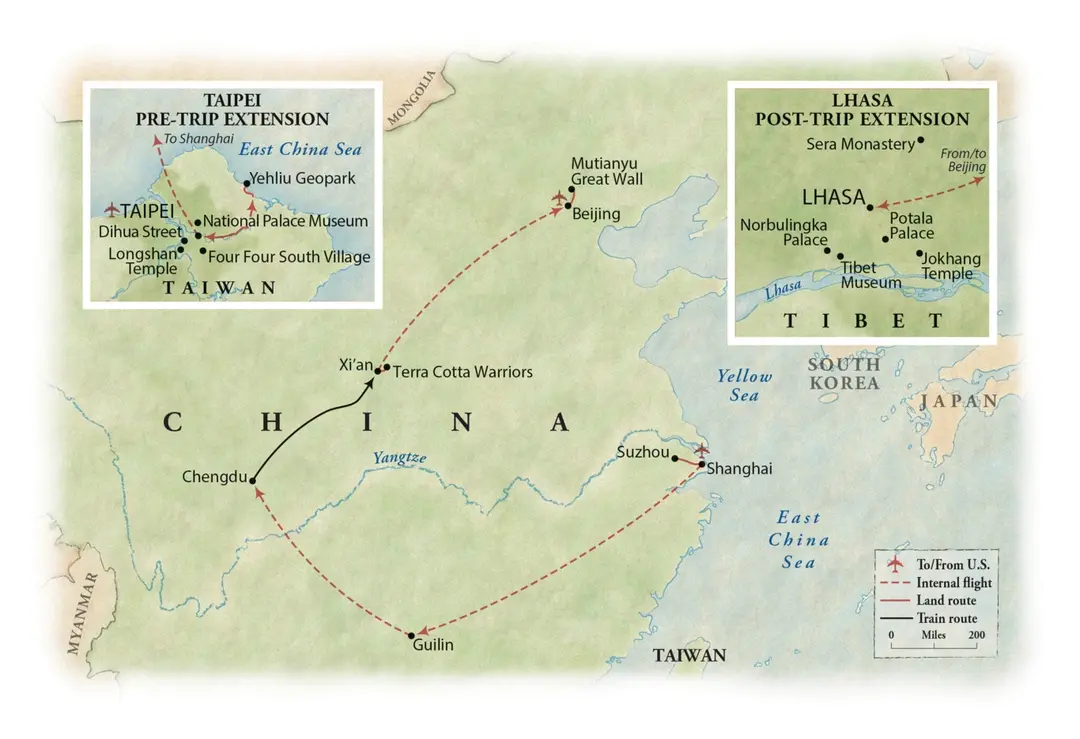
So I found a Road Scholar hiking tour of northern Kyushu: Walking Western Japan: Mountain Paths and Hidden Temples. It started just a few days after the end of my OAT China tour. I booked that and started booking flights.
Then, a few months ago, I heard from Road Scholar. They were canceling my departure because of low participation. This meant I had to pivot quickly. I had already booked my flight home from Fukuoka, so I was locked into dates.
I contacted a number of travel agencies that specialize in private, custom tours. In the end I had to choose from among several enticing options. Finally, I settled on a program with Novaland Tours.
My Itinerary
My descriptions of each day’s activities for the OAT tours come from their website. And things are subject to change. They don’t provide any information about domestic flights.
If you want a TL;DR version, click here. (“TL;DR” stands for “Too Long; Didn’t Read.” If you just want to know the basic of my itinerary without the daily detail, this is for you.)
Travel Days
Tuesday, September 22

Wednesday, September 23

Fly to Tokyo
ANA NH179
Depart MEX 06:05
Thursday, September 24
Arrive NRT 11:30

Fly to Ulaanbaatar, Mongolia
Miat Mongolian Airlines OM502
Depart NRT 14:40, arrive UBN 19:15
Best Western Premier Tuushin
3 nights
Mongolia: Ulaanbaatar and the Gobi Desert
This is the pre-trip extension for the South Korea and Japan tour.
Friday, September 25
Ulaanbaatar
I’m arriving a day early, so this is my day to adjust to the time change. (Mongolia is 14 hours ahead of home.) The OAT tour starts tomorrow.
In the morning I’m planning to visit the National Art Gallery. And I booked a tour of Narantuul Market through GetYourGuide this afternoon.
Saturday, September 26
Ulaanbaatar
Ulaanbaatar is Mongolia’s largest and most important center of Buddhism. The capital city is situated on the banks of the mighty Tuul River and surrounded by holy mountains. The first capital of the modern Mongolian empire was founded in 1639 as a nomadic encampment. This ancient “city” of gers (traditional felt tents; also known as yurts in Russian) was moved to the present site of Ulaanbaatar in 1778. Today, UB (as Ulaanbaatar is commonly referred to) is a bustling metropolis of roughly 1.3 million people. And nowadays modern buildings vie with Mongolian gers.
This morning our Trip Experience Leader will conduct a Welcome Briefing at our hotel.
In the afternoon we’ll drive to meet a female shaman. Based on animism and ancestor worship, the practice of Shamanism goes back to 400 BCE. It was the main religion of the Huns, from whom the Mongols descended. Many Mongolians practice Shamanism to this day. The shamaness will invite us into her prayer room, where we’ll witness her altar, armor, and spirit offerings. She’ll help us learn about her rituals and the evolution of Mongolian Shamanism.
Sunday, September 27
Fly to the Gobi Desert
Our flight to the Gobi Desert is scheduled to depart Ulaanbaatar this morning. Covering much of southern Mongolia, the Gobi Desert is a region of semi-arid desert terrain that is dazzling in its variety. There are rocky outcrops and barren stretches of seemingly endless, rolling gravel plains. It is the world’s coldest and northernmost desert, as well as a great repository of dinosaur remains. Caravan routes have been crossing the Gobi since ancient times. When Marco Polo, seeking the fabled capital of the Kublai Khan, encountered this vast and unforgiving landscape in the 1270s, he proclaimed, “It consists entirely of mountains and sands and valleys. There is nothing at all to eat.” But nomads—and wildlife—do survive here.
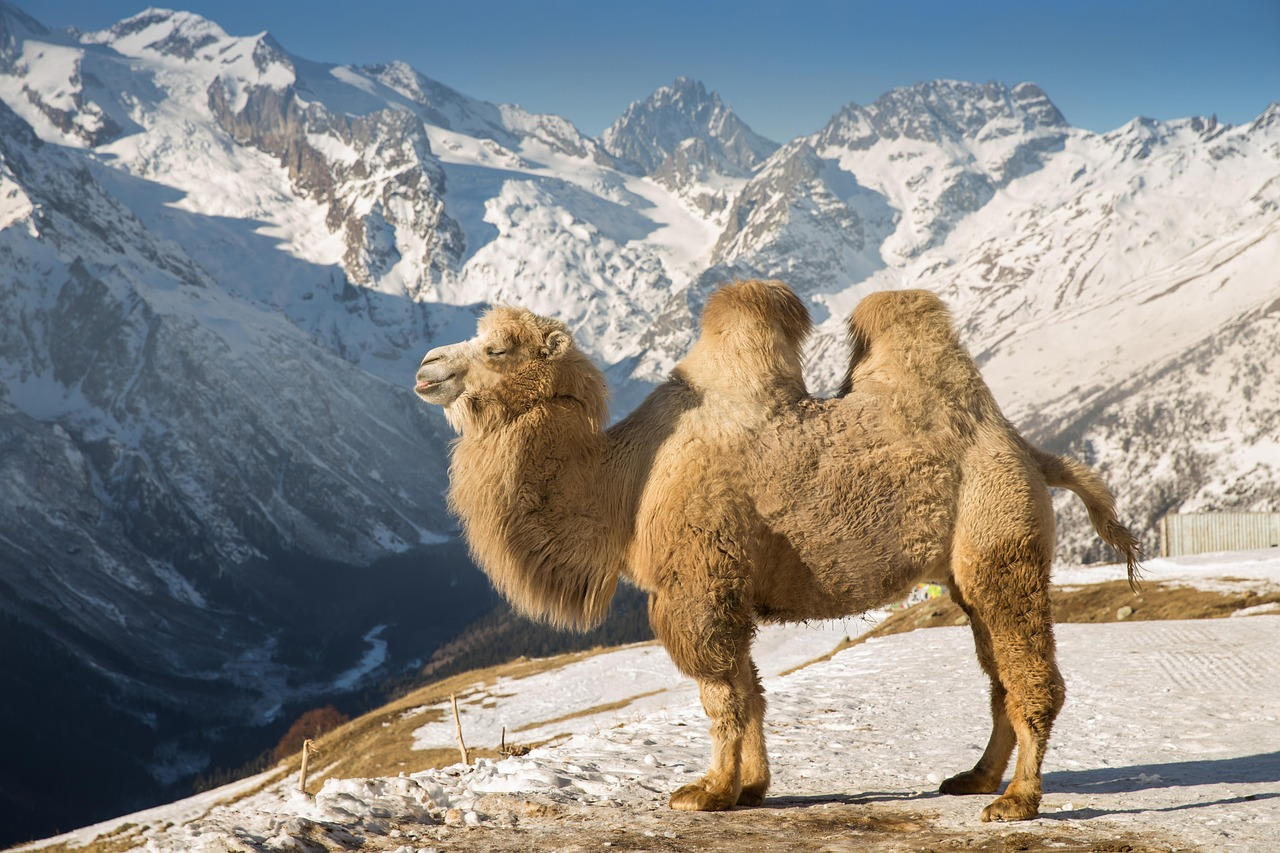
It’s also the last refuge of wild two-humped Bactrian camels and home to the rare snow leopard and desert-dwelling Gobi bear.
Dream Gobi Camp
3 nights
Monday, September 28
Gobi Desert
While only about 5% of the Gobi Desert is sand, we begin the day by exploring one of the few regions of the Gobi covered in dunes at Moltsog Els. We’ll depart camp and drive to the home of a nomadic family engaged in the breeding of Bactrian camels. We’ll learn about Gobi nomads and their camels, and we’ll enjoy a camel ride into the sweeping desert sands of the mysterious Gobi Desert.
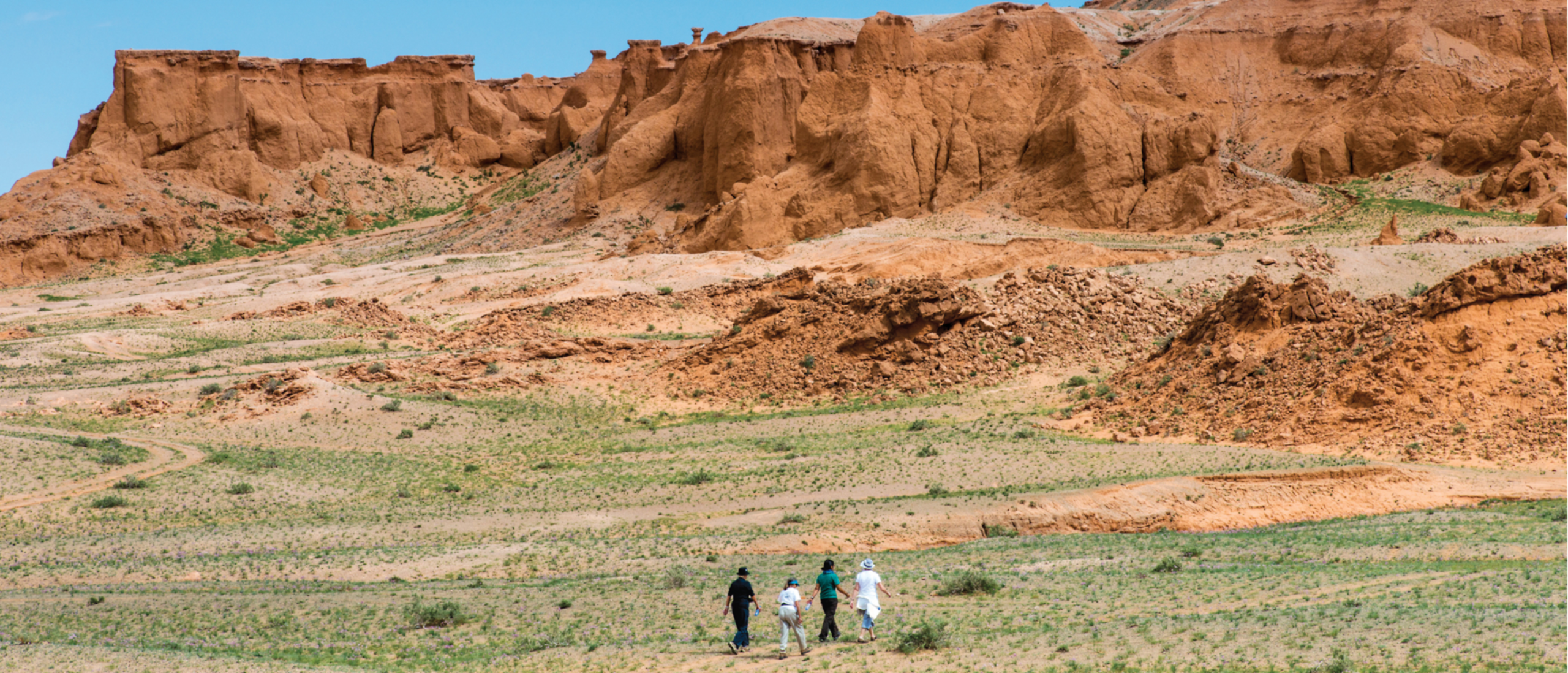
Next we’ll visit an area of the Gobi Desert known as Bayanzag—more commonly referred to as the Flaming Cliffs. The region is famous as the location of a nest of dinosaur eggs and other fossils found in the 1920s by an American paleontologist. The “Flaming Cliffs” are named for the surreal, glowing orange color of the surrounding rocks and cliffs. We’ll enjoy light trekking among the Flaming Cliffs before driving back to our camp.
Tuesday, September 29
Gobi Desert
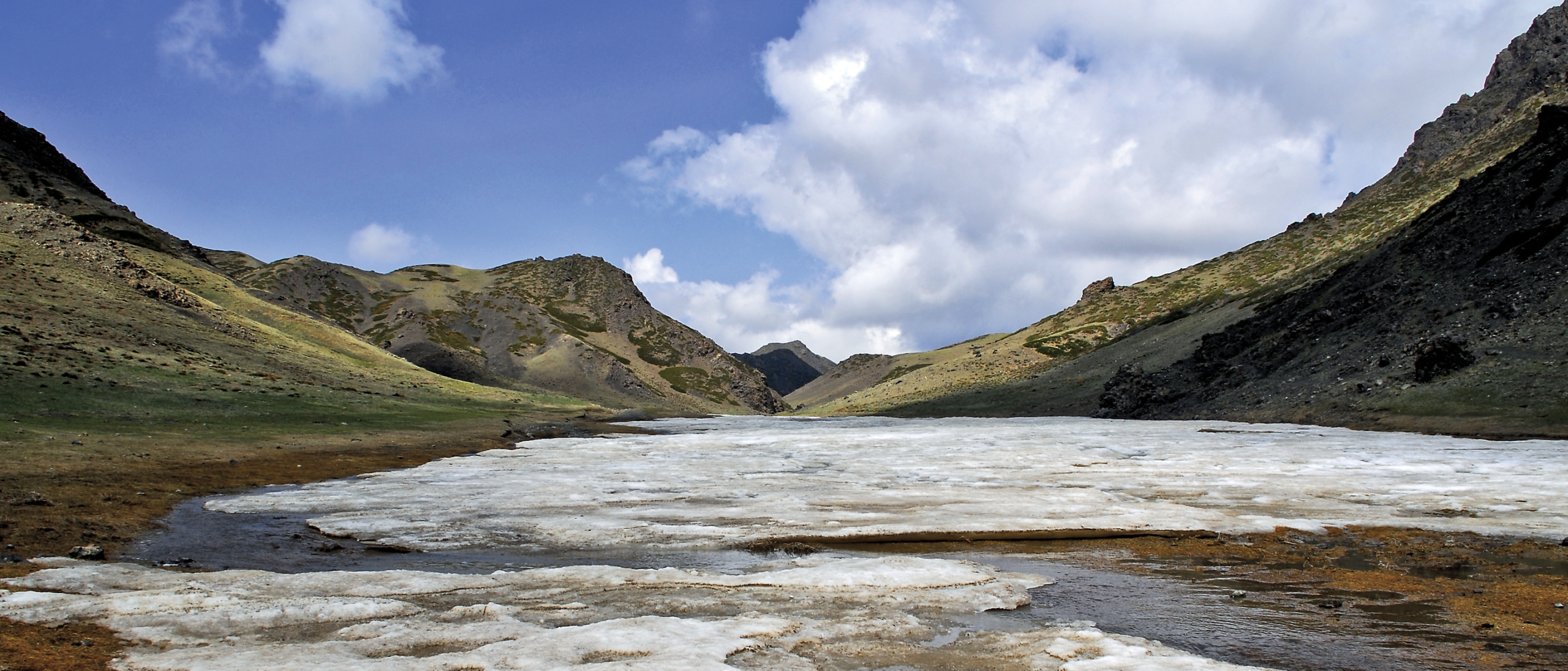
Today we explore Yol Valley (also known as Vulture Valley). We’ll travel across the desert on 4‑wheel drive vehicles to the Gurvan Saikhan Mountains. First, we’ll visit a small museum at the entrance to the protected zone. Here we’ll learn more about the petrified trees, flora, and fauna of the Gobi Desert. Then, we’ll hike amid impressive mountain scenery to seek out the area’s endemic plants and local wildlife for ourselves. We hope to see the valley’s namesake, the lammergeier vulture (yol in Mongolian).
Wednesday, September 30
Early this morning we depart our camp and fly Fly back to Ulaanbaatar, where we have the afternoon free. In the evening is a Mongolian dinner and traditional musical performance. Afterwards we will be able to converse with the performers and learn about their instruments, such as the stringed morin khuur, and about throat singing (höömij).
Best Western Premier Tuushin
4 nights
Thursday, October 1
Ulaanbaatar
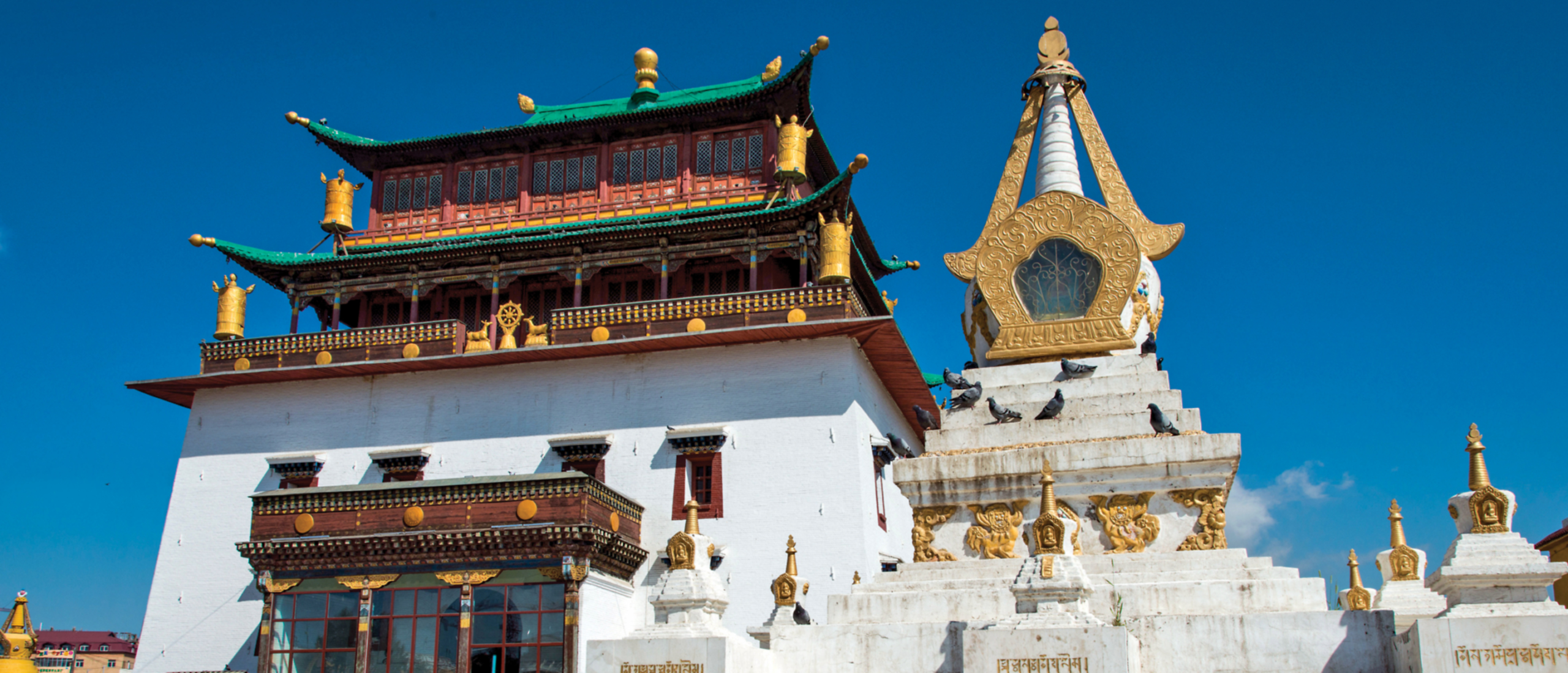
This morning we’ll board a bus bound for Gandan Monastery. Completed in 1925 after more than 100 years of contruction, the monastery is now one of the most important centers of Buddhism in Ulaanbaatar. More than 150 monks live at the monastery. It is also home to an 87-foot tall statue of Avalokiteśvara, a bodhisattva (person on the path to Buddhahood) who embodies compassion. During our visit, we’ll meet a resident monk and learn why he chose monastic life.
After lunch at a local restaurant, we’ll make our way to a nearby cashmere factory. Here we’ll learn about the production of this coveted fiber. For hundreds of years, people have harvested this material from cashmere and pashmina goats. During our visit at the factory, we’ll observe the production of yarns and textiles.
Friday, October 2
Ulaanbaatar
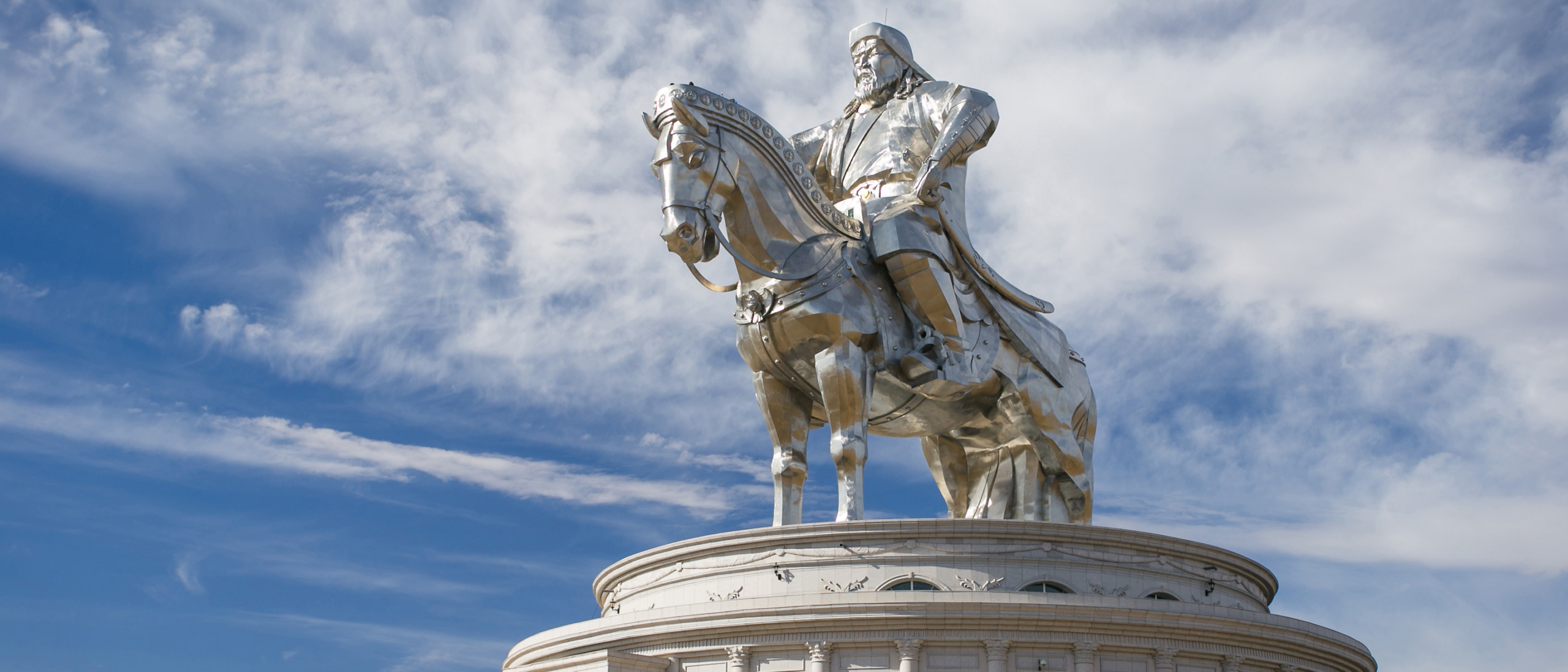
Our day begins with a visit to a rather remarkable tribute to Genghis Khan. In 2008, the people of Mongolia decided to honor their first emperor in a big way. They erected a huge statue of him astride his horse. Including the pedestal, the statue stands 165 feet high. It was built where, legend has it, Genghis Khan found a golden horsewhip that inspired his future conquests. We’ll explore a small exhibition on the ground floor and climb to the top of Khan’s horse. And we’ll depart with bragging rights, having summited the world’s largest equestrian statue.
Then we’ll visit a local family for a Home-Hosted Lunch. We’ll savor authentic dishes like homemade noodles and meat dumplings. They’ll model traditional costumes and have a conversation with the family about their lifestyle.
Saturday, October 3
Ulaanbaatar
In the morning, we’ll drive to the National University of Mongolia and meet with a local speaker who will talk about the challenge facing Mongolia’s government as it works to maintain relationships with the two superpowers that flank the country on both sides—Russia and China. They will talk about the current issues facing Mongolia’s government, which embraced democracy in the early 1990s, as it balances working alongside these powerful neighbors while also maintaining relationships with other developed countries around the world.
Then we’ll set off to visit the Child Protection and Development Center of Mongolia. Founded in 2012, the center became an official NGO (Non-governmental Organization) in 2013. Its mission is to protect children against domestic abuse. Today, it continues to provide a healthy and inspiring environment for children who live in the Ger district—an area where both the poverty rate and crime are high. During our visit, we will have the chance to meet some of these children and join in their daily activities, such as learning English or playing music.
South Korea & Japan (main trip)
Sunday, October 4
Fly to Seoul, South Korea
Miat Mongolian Airlines OM301
Depart UBN 08:40, arrive ICN 12:50
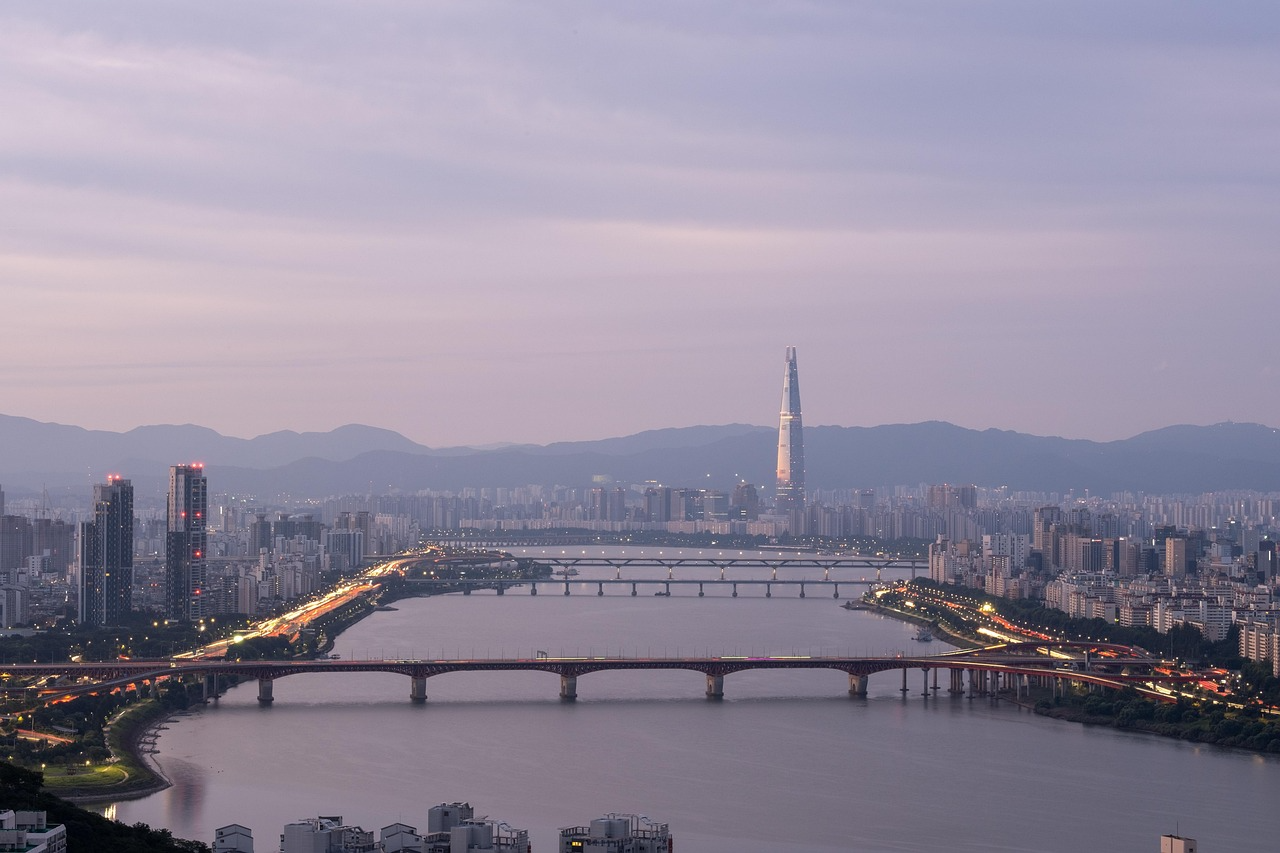
Nicknamed “The Miracle on the Han” for its stunning rebirth after near destruction in the Korean War, Seoul is sure to make quite an impression at first sight. Watched over by four “guardian” mountains, the metropolis is a buzzing, fast-paced playground for its ten million residents. Awash in neon lights at night and humming with activity by day, its energetic spirit might divert attention from serene temples and hiking trails leading into the mountains. It’s a diverse trove of delights just awaiting discovery. Our Trip Experience Leader will give orientation walks throughout the day.
Pacific Hotel
5 nights
Monday, October 5
Seoul
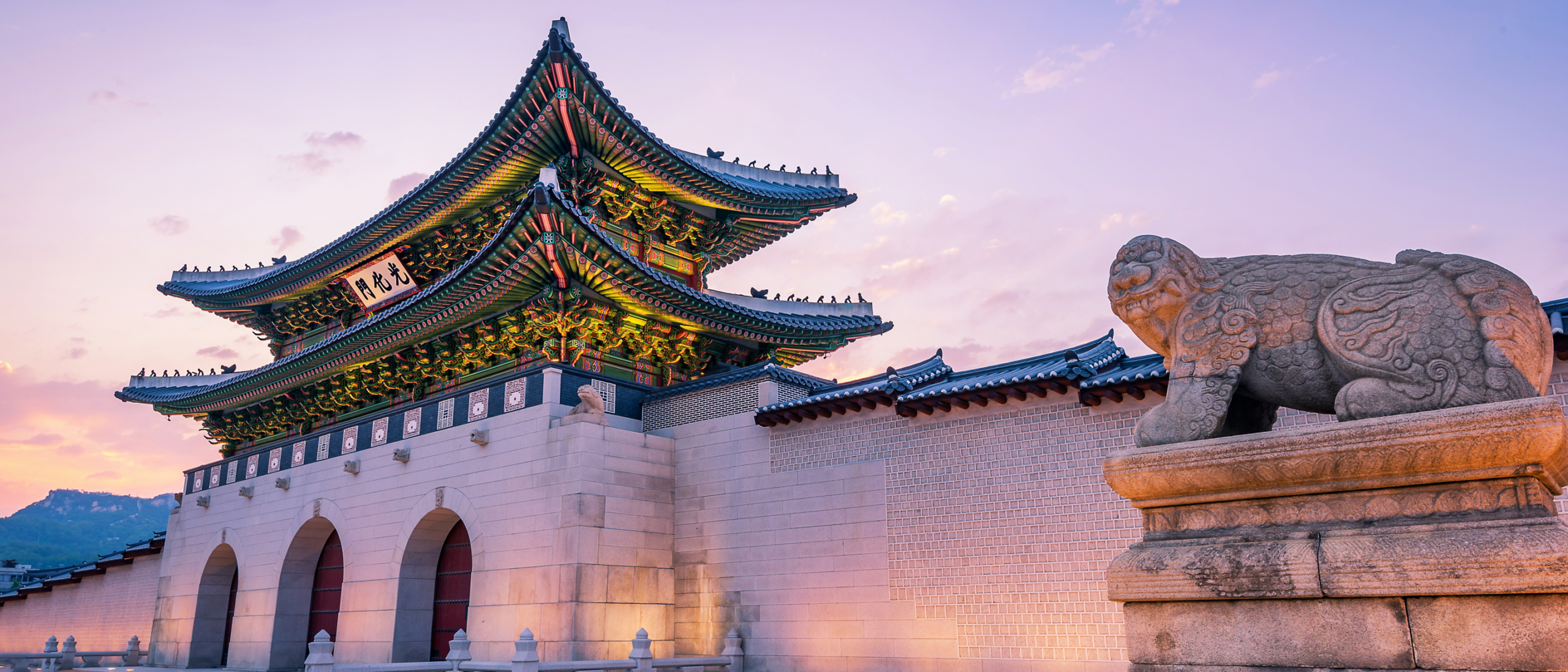
After breakfast, our Trip Experience Leader will conduct a Welcome Briefing. Then we’ll depart for Gyeongbok Palace, also known as the Northern Palace. This 14th-century site is the largest of the “Five Grand Palaces” of Korea’s longest ruling family, the Joseon Dynasty, and earns its nickname from its location farther north than the other four palace complexes. We’ll explore the massive compound, which includes multiple museums, ornamental gardens and some of Seoul’s most impressive architectural sights.
In the afternoon we’ll visit the National Museum of Korea, where we’ll witness a vast collection of historical artifacts. From traditional pagodas to gold-encrusted crowns and Buddhist sculptures, we’ll examine a multitude of national treasures that reflect Korea’s complex history.
Tuesday, October 6
Seoul
In the morning we’ll visit the Baby Box Center and learn how Grand Circle Foundation is aiding the center’s efforts in helping abandoned babies.
About the Baby Box Center
Decades ago, Pastor Lee Jong-Rak woke to find a baby freezing on his doorstep with nothing more than a cardboard box to protect the infant from the blustery winter wind. This horrifying discovery eventually led him to install a “drop box” in the wall of his home. Now there was a safe way for people to anonymously leave unwanted babies.
Since its inception, more than 2,000 newborns have been left in the box, a service that is entirely funded by private donations. In addition to the temperature-controlled box, the church also offers help to single mothers faced with this difficult decision, such as temporary shelter, food, and monetary support. Funding from Grand Circle Foundation has helped clean the facility, built a rooftop storage shed for winter clothes, diapers, formula and other goods, as well as sponsored a much-needed rooftop recreation area.
Today we have a Home-Hosted Lunch with a local family. During this enlightening exchange, we’ll learn about our hosts while enjoying a traditional meal such as bibimbap, a combination of rice, mushrooms, seasonal vegetables, and fried egg served in a bowl. We’ll also likely sample some popular Korean side dishes, such as kimchi.
We’ll finish our lunch with a cup of tea as we wrap up our visit. Then we’ll bid farewell to our kind hosts and drive back to our hotel. The rest of the day is open.
Wednesday, October 7
Seoul
We’ll depart this morning for our A Day in the Life experience of Oeam village, a historic community dating back to the Joseon period. Here, we’ll meet with the community leader for an introduction to the village, as well as a walk around the premises. Founded in the early 16th century by members of the Kang and Mok clans, Oeam currently has a population of just 192 people, most of whom earn a living through agriculture.
After our introduction, we’ll make our way to the home of a local woman who will teach us how to make gochujang, a sweet and savory red chili paste. We’ll see firsthand how this spicy, fermented sauce brings bold flavor to any Korean dish.
After our cooking class, we’ll then continue on to the home of another resident, who is a descendant of a Joseon Dynasty royal court officer. Here, we’ll learn how to make Yunyupju, a traditional liquor once served to kings made from the blossoms and the leaves of the lotus. We’ll be using a secret recipe that has been passed down from generations of this family, giving us a rare glimpse into authentic South Korean culture.
Lunch will be at the home of another resident, where we’ll help our hosts prepare lunch. Over this traditional meal, we’ll get the chance to ask our host any questions we have about daily life and the village’s traditions.
Thursday, October 8
Seoul
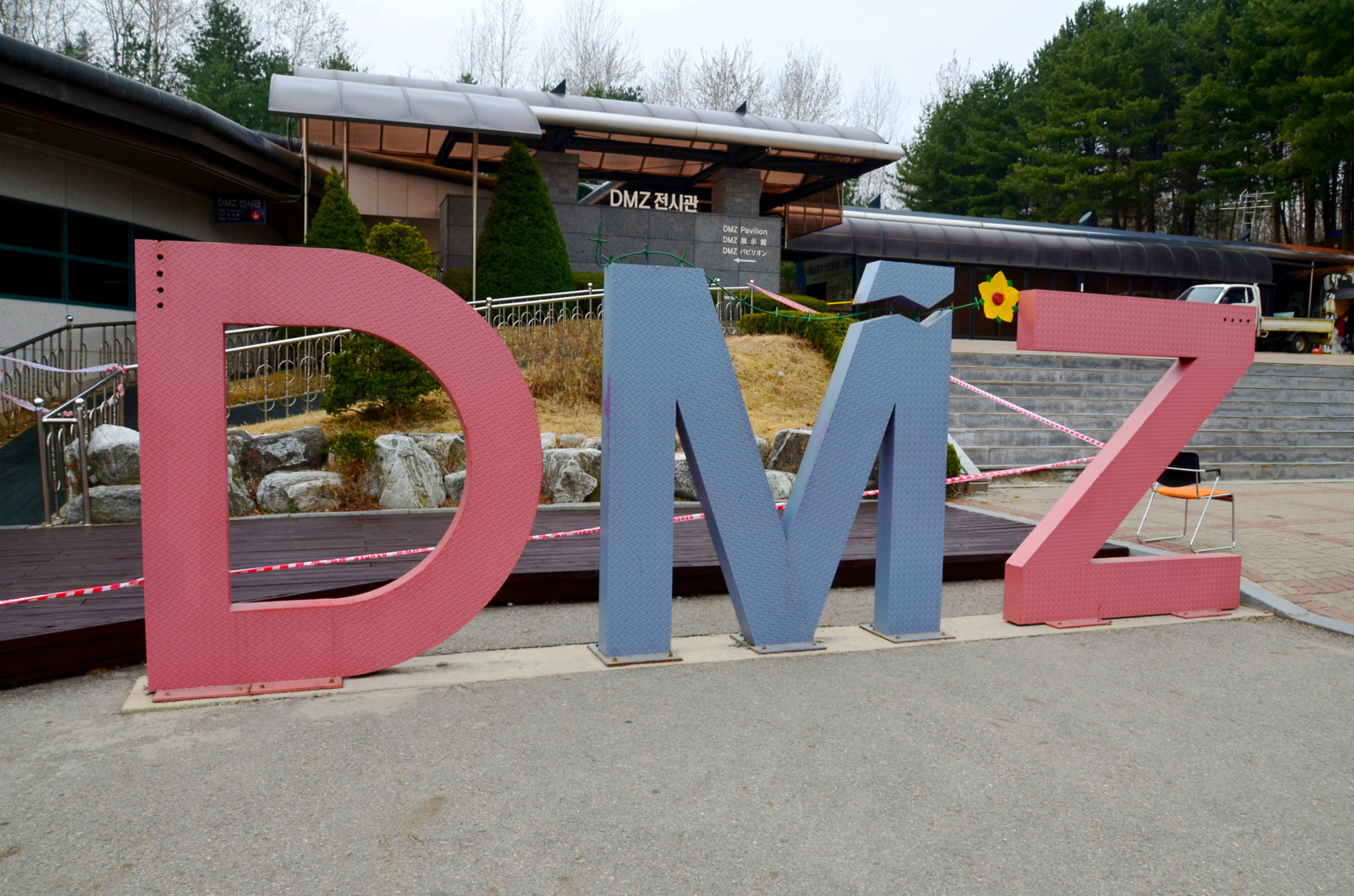
This morning, we’ll drive into the Demilitarized Zone (or “DMZ”) between North and South Korea.
In 1953, North and South Korea worked out an agreement (with prodding from China and the U.S.) to allow for a buffer zone separating the ideologically opposed regions. Whenever the two Koreas need to negotiate, they enter the DMZ. As carefully controlled as that may sound, four tunnels beneath the DMZ have been discovered, one of which appeared to be part of a North Korean plot to attack Seoul. Monitoring has been constant ever since.
Here, we’ll visit an exhibition hall detailing the Korean War, as well as the Dorasan Observatory where we’ll get another glimpse across the border and into North Korea.
Later this afternoon, back in Seoul, we’ll meet a refugee from North Korea to discuss the life in the North and the second-class treatment of defectors who make it to the South.
Friday, October 9
Fly to Tokyo
This morning we’ll drive to Gimpo airport to catch our flight to Haneda, Japan. Upon our arrival, we will meet our Japanese Trip Experience Leader and drive to our hotel in Tokyo.
Tokyo is a feast for the senses—a city where one of the world’s tallest towers (the 2,000-foot-high Sky Tree) coexists with humble Shinto shrines nestled along narrow alleys. It offers whatever kind of cultural experience you desire: You can dine here at more Michelin-starred restaurants than anywhere else on Earth, follow cobbled lanes once walked by geishas, stroll among the cherry trees, or bask in the up-all-night neon glow of Asia’s busiest city.
Later today, we’ll gather in the hotel’s breakfast area for a Welcome Briefing, during which we’ll review the Japanese portion of our itinerary in more detail, including any changes that may need to occur. Afterwards, our Trip Experience Leader will lead us on an optional orientation walk around the vicinity of our hotel.
Hotel Jal City Tokyo Toyosu
4 nights
Saturday, October 10
Tokyo
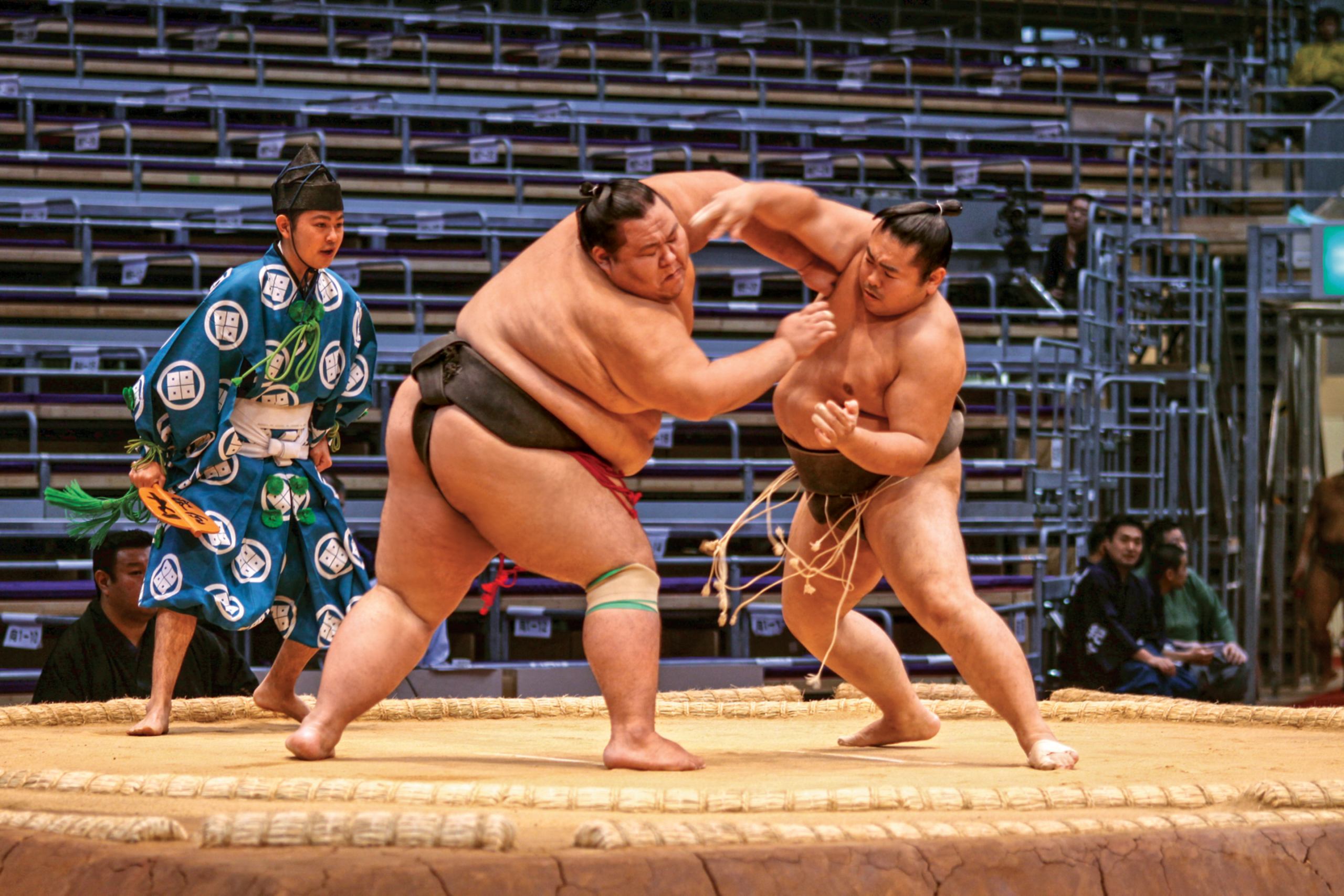
This morning, we’ll get an authentic glimpse of a beloved Japanese sport—Sumo wrestling. We’ll meet with a former wrestler to hear about the skill and power that goes into this sport. We’ll also speak with the wrestler about the controversial bullying of young Sumo learners.
In the afternoon we’ll drive to a local Bonsai garden, where we’ll be greeted by a Bonsai master and introduced to this unique cultivation technique. The practice of Bonsai involves placing small trees in containers and pruning them to mimic the shape and scale of a full-size tree. Today, we’ll learn how these plants are maintained, as well as the history of the art form.
Sunday, October 11
Tokyo
Today we’ll visit a taiko studio. Taiko are traditional drums that have been used throughout Japan’s history—from setting the beat for marching armies to adding a tempo to boisterous festivals.
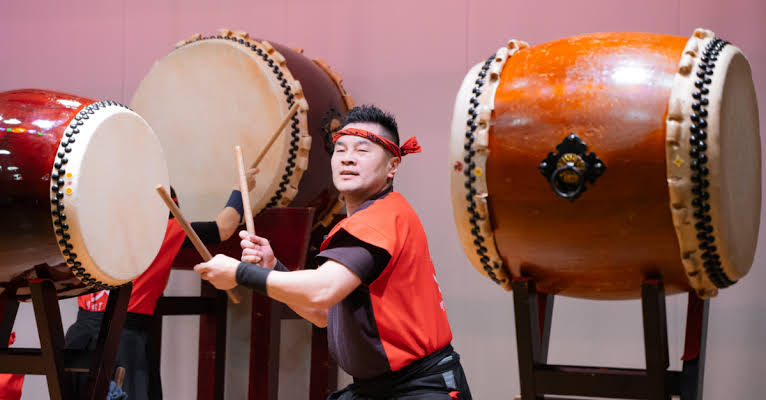
Upon arrival, we’ll remove our shoes and descend into the soundproof studio, where we’ll be greeted by the taiko drum master. We’ll learn from the master about the significance of this musical instrument in local culture, and later observe a short performance. We’ll even get to try our hand at drumming with a short intensive introduction to the art form followed by time to perform patterns and rhythms on our own, as well as within the group. After our immersive musical experience, we’ll then hear from the drum master about their personal relationship with drumming, as well as the concerns about keeping this longstanding tradition alive.
Then, we’ll walk around the well-known district of Asakusa. As we explore this part of the city, we’ll see where old meets new. While the appearance of Asakusa retains its historical charm, we’ll find modern innovations in the district’s shopping area. We’ll visit the Asakusa Temple, the oldest temple in Tokyo, which will give us some architectural and cultural insight into this ancient city.
Monday, October 12
Tokyo
This morning we’ll head to Shinjuku Station, where we’ll set off via motorcoach and drive to our first stop, Oshino Hakkai.
We’ll arrive in Oshino, a small village in the Fuji Five Lakes region, and visit Oshino Hakkai, a series of eight sparkling ponds. Fed by the snow melt of Mount Fuji, these ponds are famous for their crystal-clear waters. As the snow melts and flows down the mountain’s slopes, the water is naturally filtered through porous layers of lava rock, resulting in extremely fresh spring water held in high esteem by the locals.
During our visit, we’ll explore the Hannoki Bayashi Shiryokan, a small open-air museum that encircles Oshino Hakkai’s largest pond. Exhibits include a traditional farmhouse with its distinctive thatched roof. Inside, we’ll find displays of traditional farming tools and household items, as well as samurai armor and weapons.
After lunch, we’ll visit nearby Kubota Itchiku Art Museum. This museum is dedicated to the art of the kimono, and its impressive collection features 104 kimono created by famed Japanese artist Itchiku Kubota.
Our final stop is Oishi Park, offering spectacular views of the lake and Mount Fuji-san herself. We’ll stroll the serene park before heading to Kawaguchiko Station to take our motorcoach back to Tokyo.
Tuesday, October 13
Toba
Today we’ll experience the thrill of riding the lightning-fast bullet train from Tokyo to Nagoya. The Japanese call this train the shinkansen. It is one of the world’s finest quick-transit trains, and still among the fastest trains in the world, traveling at speeds of up to 160 mph. We’ll arrive in Nagoya and hop aboard the Kintetsu Express train to continue our transfer to Yjiyamada Station.
We’ll arrive at Ujiyamada Station and then drive to the famous Ise Shrine, which is actually a collection of many shrines—a riverside complex with some structures dating back 2,000 years. Enjoy a walking tour through the shrines before returning to check in to our hotel in Toba.
Tonight we’ll enjoy a ryokan-style dinner, an elaborate, multi-course meal typically featuring a variety of ingredients and artfully-arranged dishes.
Hotel Todaya Toba
2 nights
Wednesday, October 14
Toba
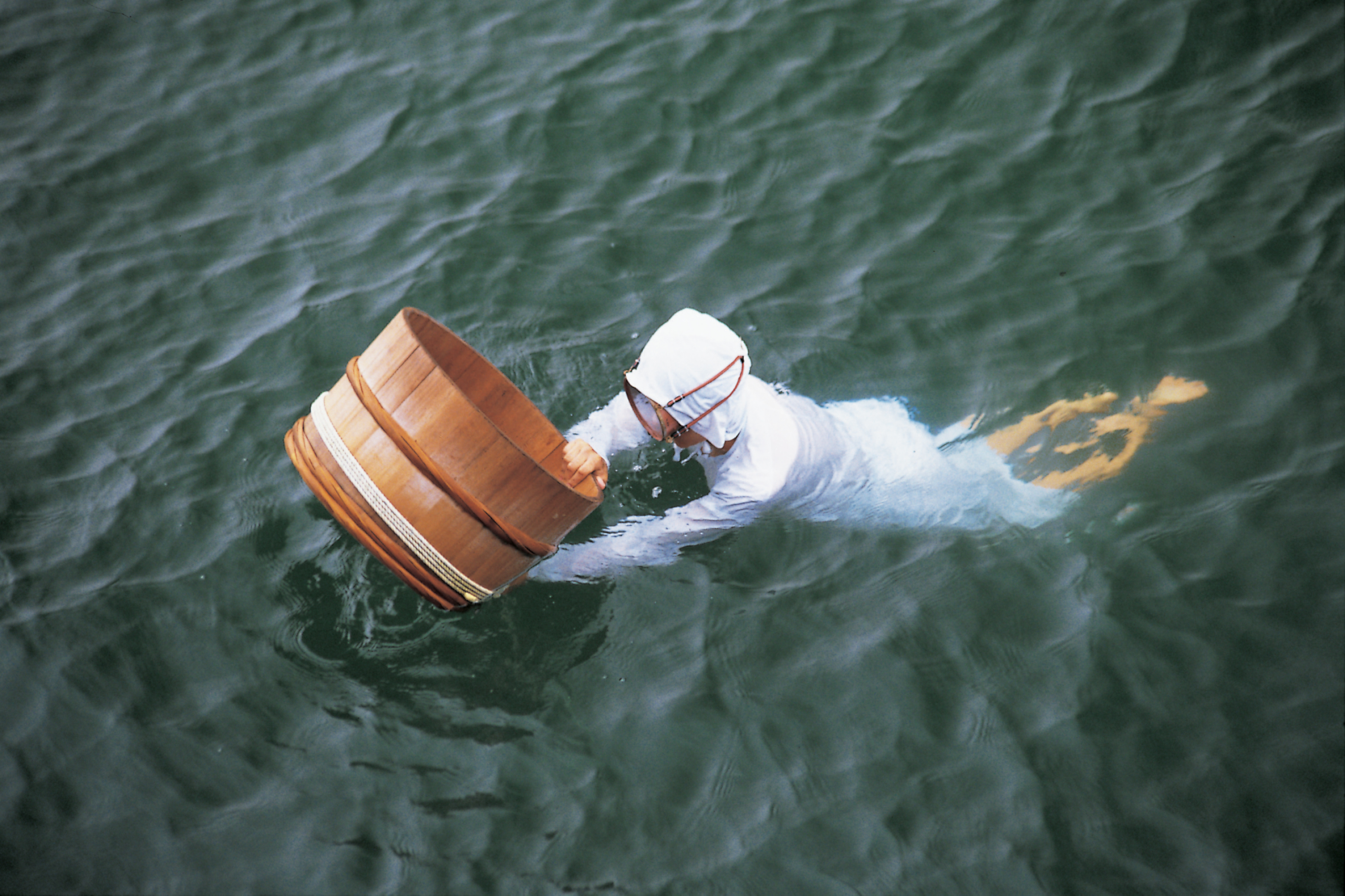
This morning, we’ll visit a pearl farming family. Here, we’ll witness a hands-on pearl harvesting demonstration. Then, we’ll drive to a hut, where we’ll meet up with the local ama, “sea women.” These remarkable women free dive without breathing apparatus for octopus, lobster, sea urchins, and other marine delicacies along the coast.
Afterwards, we’ll drive to a local ama hut for lunch with the local ama, where we’ll have the opportunity to taste the seafood the divers caught that day and discuss their profession and lifestyle.
Thursday, October 15
Nara and Kyoto
After breakfast this morning, we’ll depart for the Toba train station. Our train is headed for Yamato Yagi Station, from where we’ll drive to Nara, former capital of Japan.
After lunch we’ll visit Nara’s famous Todaiji Temple, a UNESCO World Heritage Site, and the largest wooden building in the world. It is also one of the major historic temples in Japan and contains valuable artifacts. Here, we’ll admire the Daibutsu—an impressive 52-foot Buddha statue. As we continue to explore Todaiji, we’ll likely notice another charming feature of its park area: its tame, free-roaming deer, which were traditionally regarded as the messengers of the Shinto god. If you want a close-up introduction to them, you can purchase shika senbei (special biscuits) to feed them, but be prepared to be very popular with these lovely creatures when you offer them food.
Later, we’ll drive to Kyoto and check in to our hotel. Afterwards, enjoy some free time to relax or explore Kyoto independently.
Shizutetsu Hotel Prezio Oike
3 nights
Friday, October 16
Kyoto
Today we’ll enjoy a day of sightseeing in Kyoto, beginning with a visit to Fushimi Inari Shrine, the head shrine of the Inari, which honors the spirits venerated in the Shinto religion. We’ll first drive to witness the site’s magnificent tunnel of an estimated 10,000 red torii gates. Then, we’ll depart for a special lunch experience.
Along with lunch, we’ll enjoy a traditional dance demonstration by a maiko, or apprentice geisha. Maiko begin their training between 15 and 20 years old. Like geishas, they don traditional kimonos and often have special talents, such as dancing, singing, or playing an instrument. After the maiko’s performance, she’ll share stories about her life and why she chose this profession.
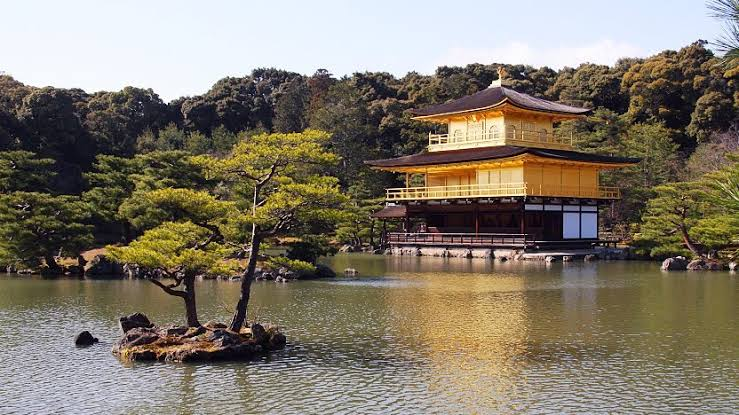
Next, we’ll visit Kinkakuji Temple, a UNESCO World Heritage Site. The striking architecture of Kinkakuji, also known as the Temple of the Golden Pavilion, dates from 1387, when it was built by the third shogun (military commander) of the Ashikaga Shogunate. The reflection of the pavilion on the water of the adjacent pond produces a one-of-a-kind world-famous view.
Afterwards, we’ll head to Nishiki Market. Referred to as “Kyoto’s Kitchen,” this five-block-long row of shops and restaurants attracts locals and visitors alike with its fresh produce, seafood, cookware, and more. We’ll have the opportunity to mingle with vendors and sample regional delicacies.
Saturday, October 17
Kyoto
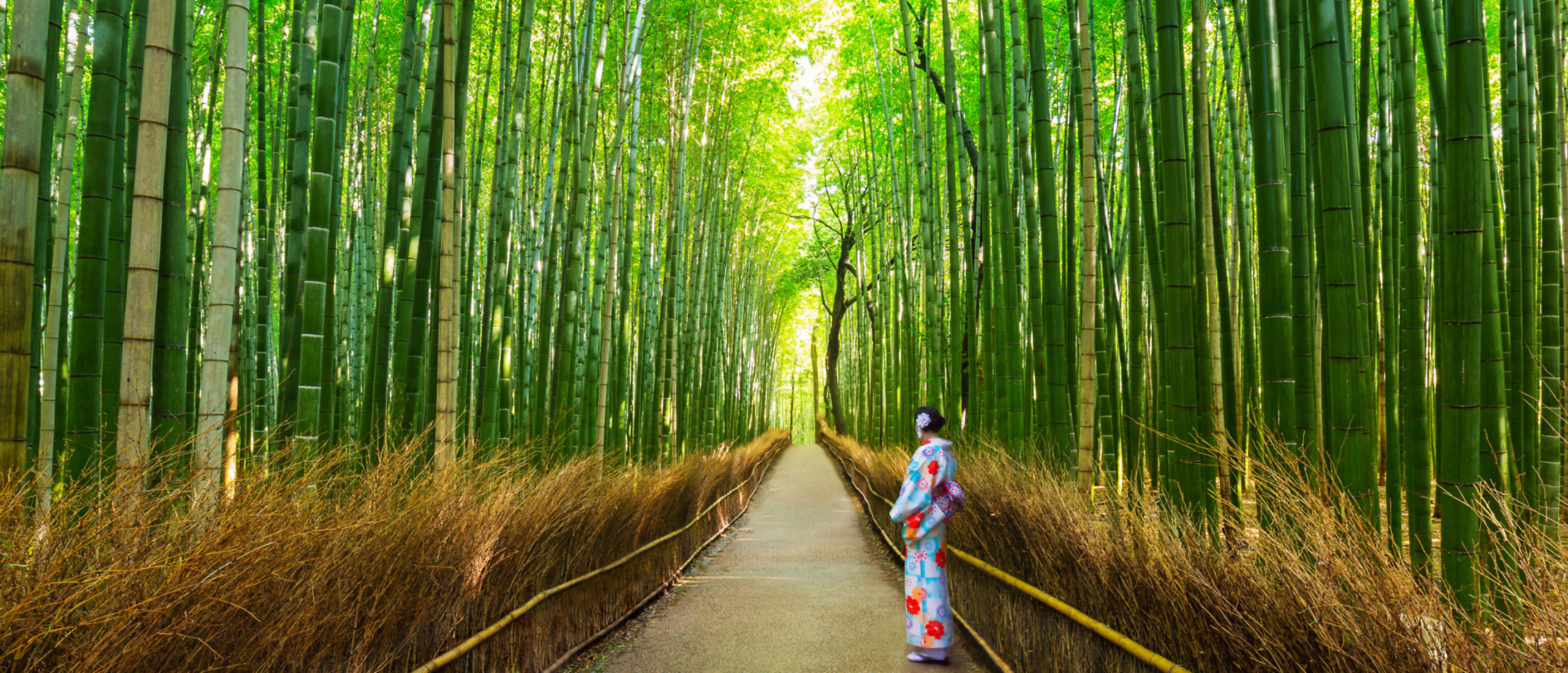
This morning we’ll drive to the Arashiyama district, an area in western Kyoto famous for its scenic beauty and historic artifacts. Our discoveries today will begin with Tenryuji Garden, a UNESCO World Heritage Site. This garden incorporates a fusion of several elements to achieve its zen atmosphere: white sand resembling a wave-like pattern, rocks and stones intentionally arranged around an iconic pond, and unparalleled views of Mt. Arashiyama and Mt. Kameyama. After strolling through the garden, we’ll then spend some time exploring the nearby Arashiyama Bamboo Grove.
We’ll continue on to the sprawling Nijo Castle Complex, whose grounds span nearly 70 acres and are home to multiple palaces, gardens, and water features. Among the most storied of its properties is Ninomaru Palace, which boasts “nightingale floors,” wooden floorboards which were designed to chirp a birdlike noise if intruders entered.
Hiroshima: City of Peace
This is the post-trip extension for the South Korea & Japan tour.
Sunday, October 18
Hiroshima
As our main journey ends, we’ll drive to Kyoto train station, where we’ll board
a bullet train to Hiroshima. Upon arrival, we’ll drive to our hotel, where we’ll briefly drop off our bags before walking to our lunch spot for the day.
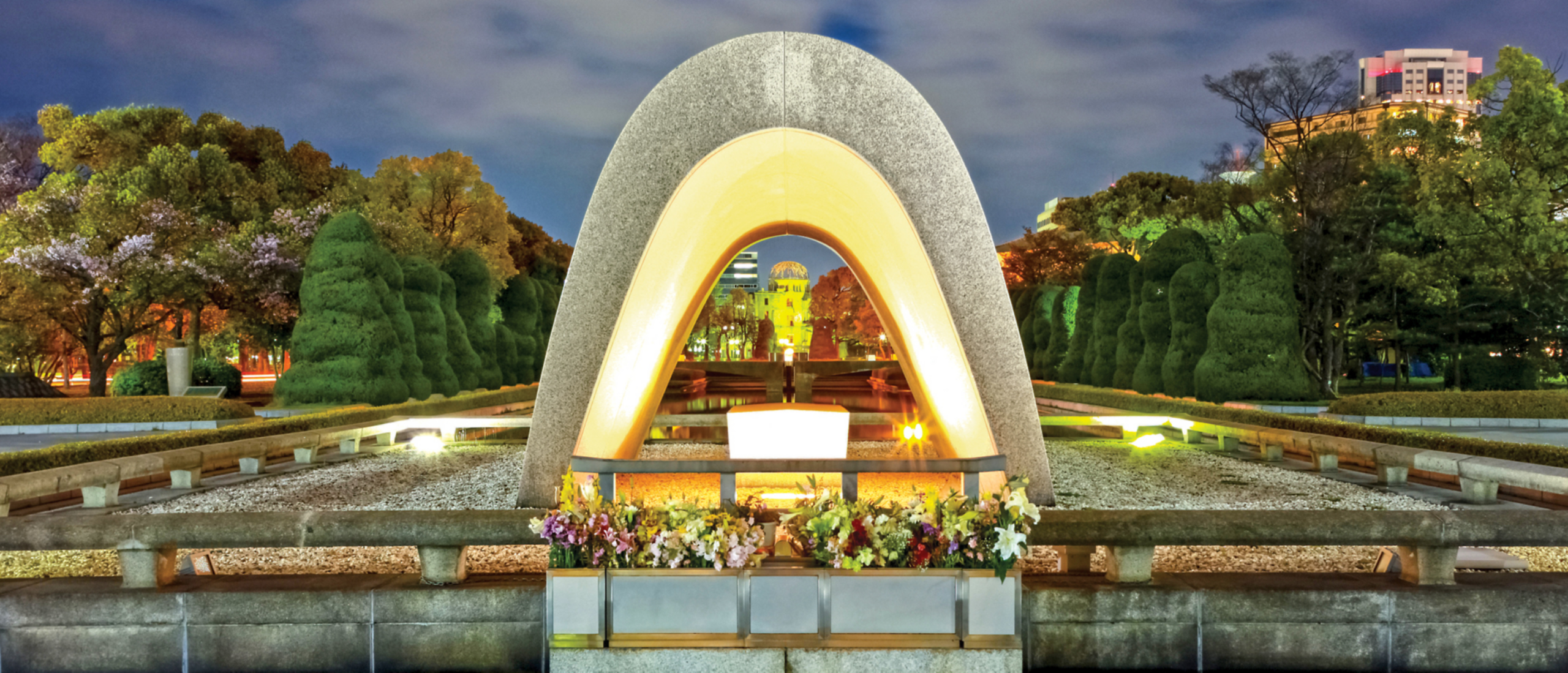
This afternoon, we begin our tour of historic Hiroshima, rebuilt after the devastation of August 6, 1945, and now a thriving, healthy city. We’ll first visit Peace Memorial Park, located near the very center of the area of the A‑bomb blast, where you will see memorials commemorating the victims of that fearful day and the ruins of a building that was less than 600 feet from the detonation. The famous A‑Bomb Dome (Genbaku Dome) was designated a UNESCO World Heritage Site
in 1996. The Peace Memorial Museum displays remnants of the bombing day and accounts of survivors, but in this park you will also see manifestations of the hope for world peace. At the Children’s Peace Memorial, people from all over the world have placed folded paper cranes as offerings for harmony on our planet.
Oriental Hotel Hiroshima
3 nights
Monday, October 19
Hiroshima (and Iwakuni?)
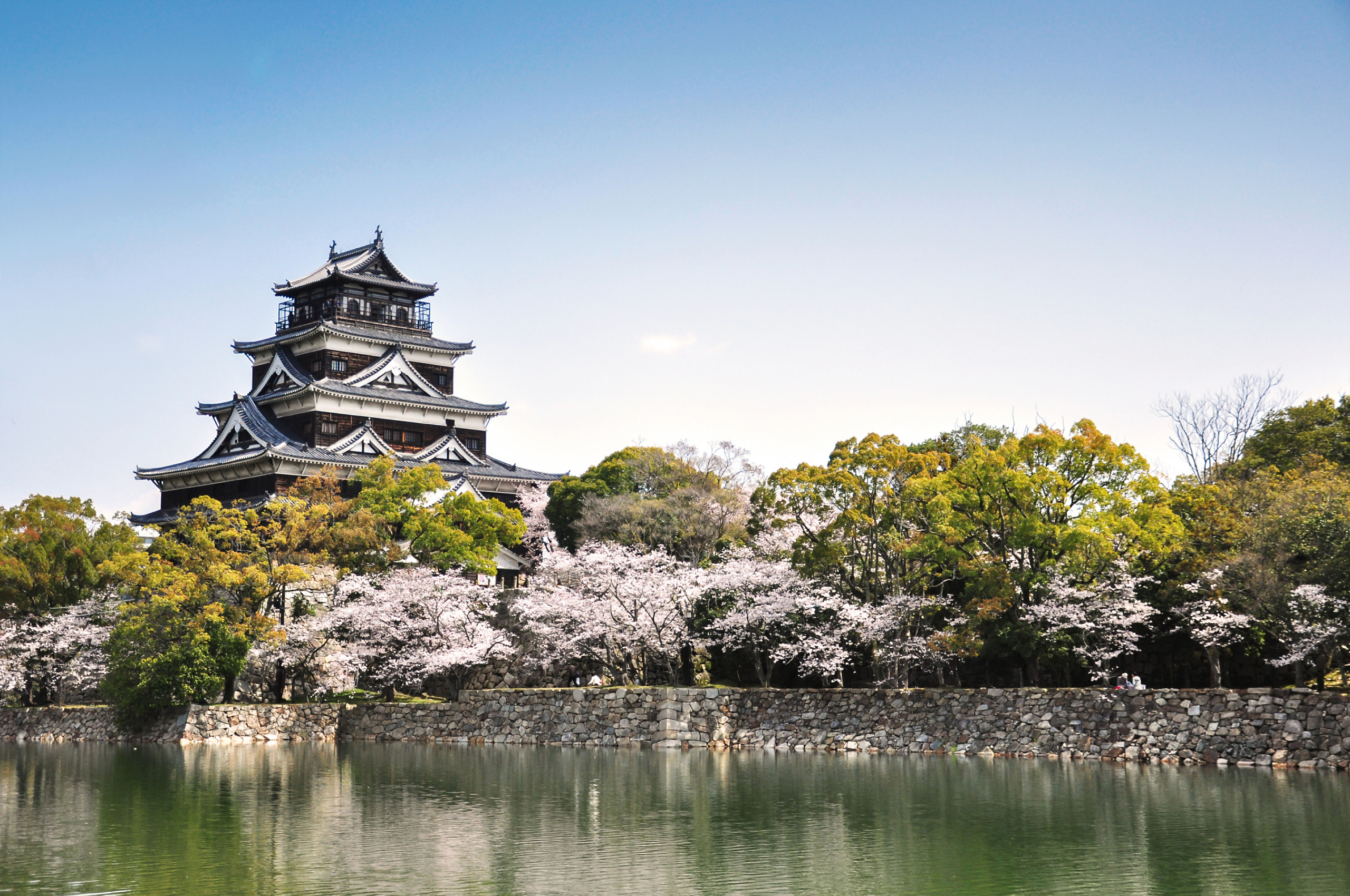
There’s an optional trip to Iwakuni today, but I haven’t decided if I will do it. If not, I’ll just spend the day doing some independent exploration in Hiroshima.
Iwakuni is known for its historic bridge and hilltop castle. If I go, we’ll explore the town today and discover one of its most notable features—the Kintaikyo Bridge. The original bridge, built in the 17th century, was damaged in 1950 when a destructive typhoon hit Japan. A few years later, a new bridge was erected, but this time it was made to withstand natural disasters. After, we’ll visit the White Snake Museum where we’ll witness these serpents, which are a symbol of good fortune.
After lunch, we’ll return to Hiroshima for a free afternoon.
Tuesday, October 20
Hiroshima and Miyajima
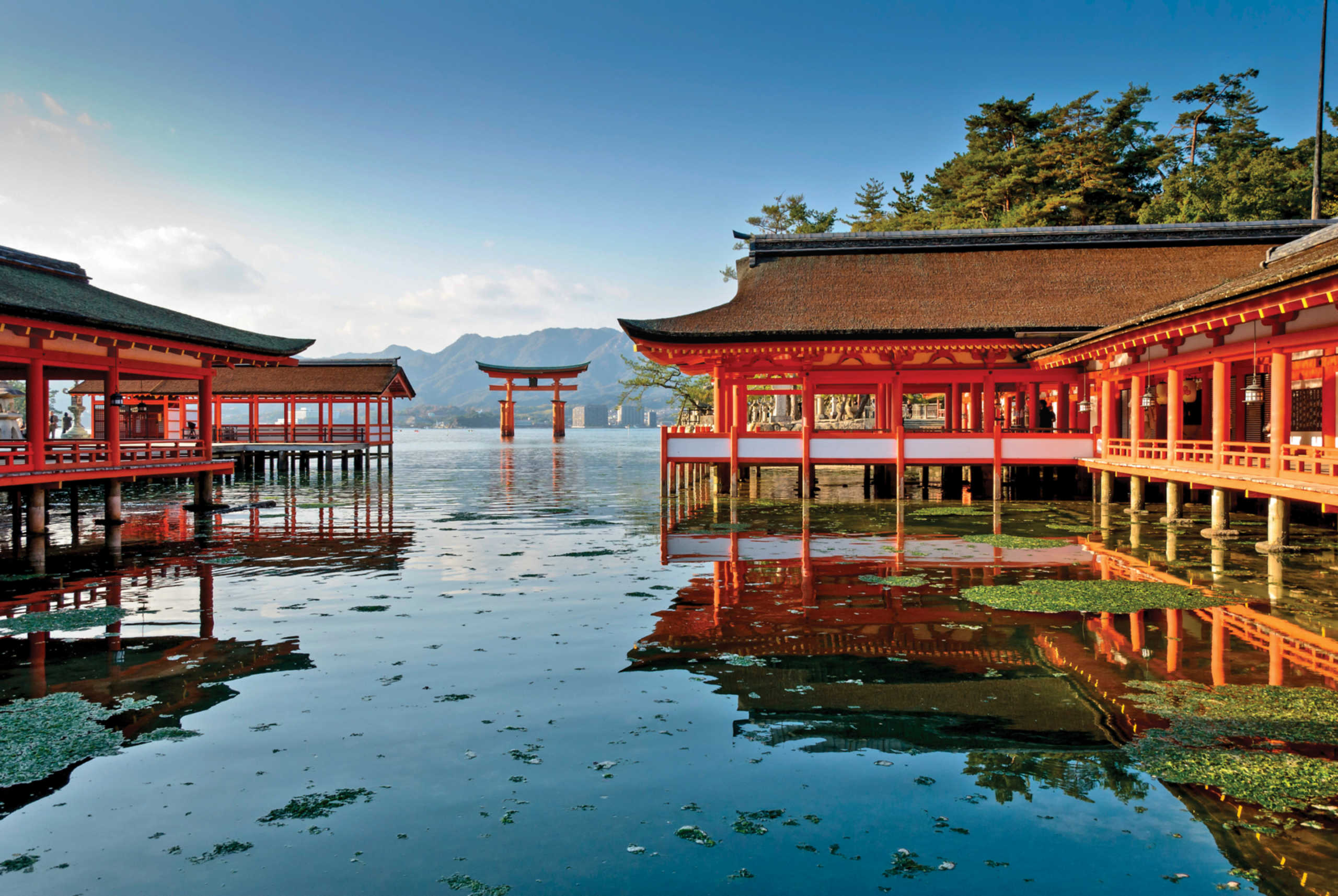
This morning we’ll walk to the local train station, where we will depart for Miyajima-guchi. From there, we will board a ferry ride to Miyajima, an island once worshiped for its spirituality. Here, Mount Misen—whose primeval forests are home to wild monkeys and deer—climbs to more than 1,700 feet and overlooks the beautiful Seto Inland Sea. Upon arrival, we’ll walk to the iconic Itsukushima Shinto Shrine. We see firsthand the grandeur of the shrine, which was founded in AD 593 and is designated a UNESCO World Heritage Site. This is considered one of the finest examples in Japan of the unique Shinden architecture. The elegant inner shrine includes 37 buildings, while the outer shrine along the shoreline consists of 19 structures, all blending with the compelling natural beauty of the site.
After lunch, we’ll ride back to Hiroshima via ferry and train for a free afternoon.
And that’s the end of the tour. Next up:
Taipei: Modern Capital of Taiwan
This is the pre-trip extension for the China tour.
Wednesday, October 21

Fly to Taipei
China Airlines CI113
Depart HIJ 11:35, arrive TPE 13:15
Once I get settled into my hotel, I’ll have the rest of the day free.
Capital Hotel Songshan Taipei
5 nights
Thursday, October 22
Taipei
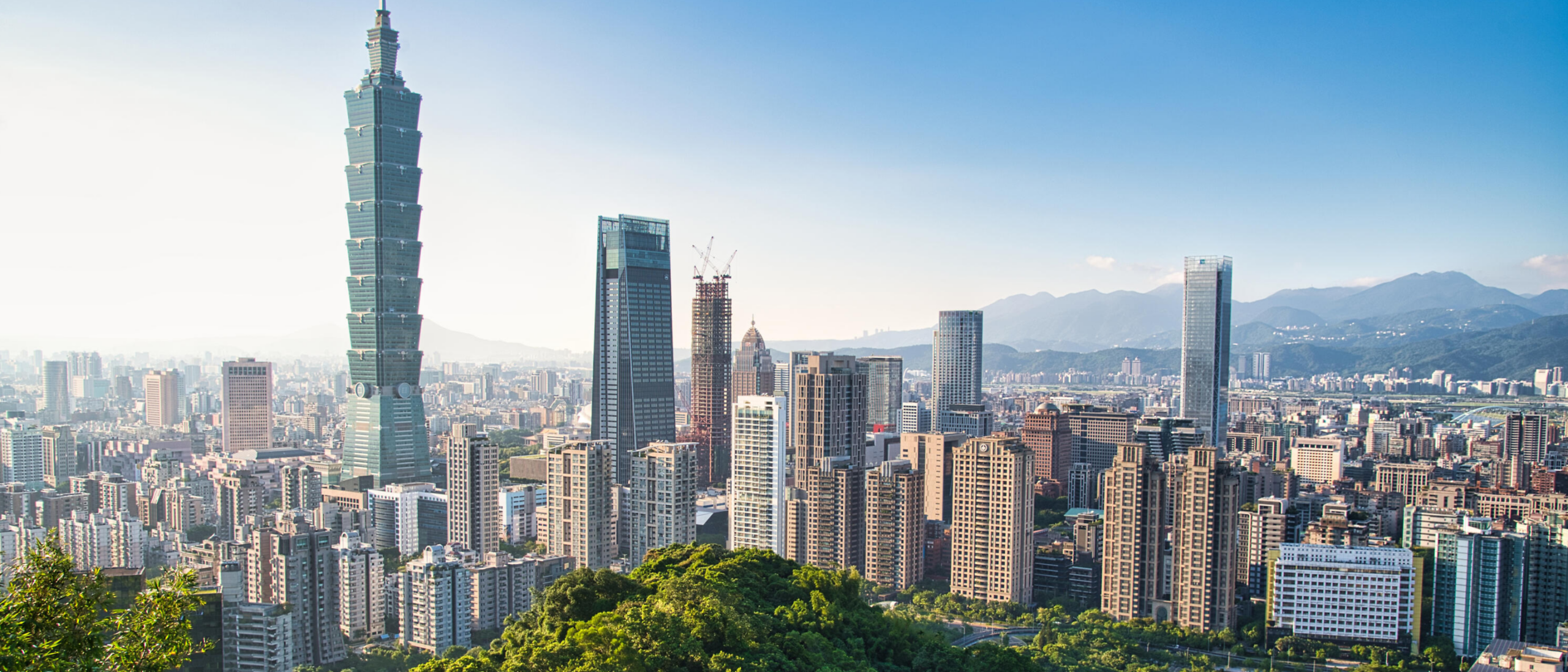
Most of the travelers on the tour (those who don’t also arrive early) will arrive today. I’ll have the day free for independent exploration.
I’m considering a few museums:
This evening I bought a ticket for a concert by the National Symphony Orchestra at the National Concert Hall (which is close by the museums). The program includes
- Zhe-Yu Yang: A Dialogue between Wind and Poetry (One-minute Symphony Project, world premiere)
- Benjamin Britten: The Young Person’s Guide to the Orchestra , Op. 34
- Joseph Haydn: Symphony No. 94 in G major, Hob. I:94, Surprise
- Benjamin Britten: Violin Concerto in D minor, Op. 15
Friday, October 23
Taipei
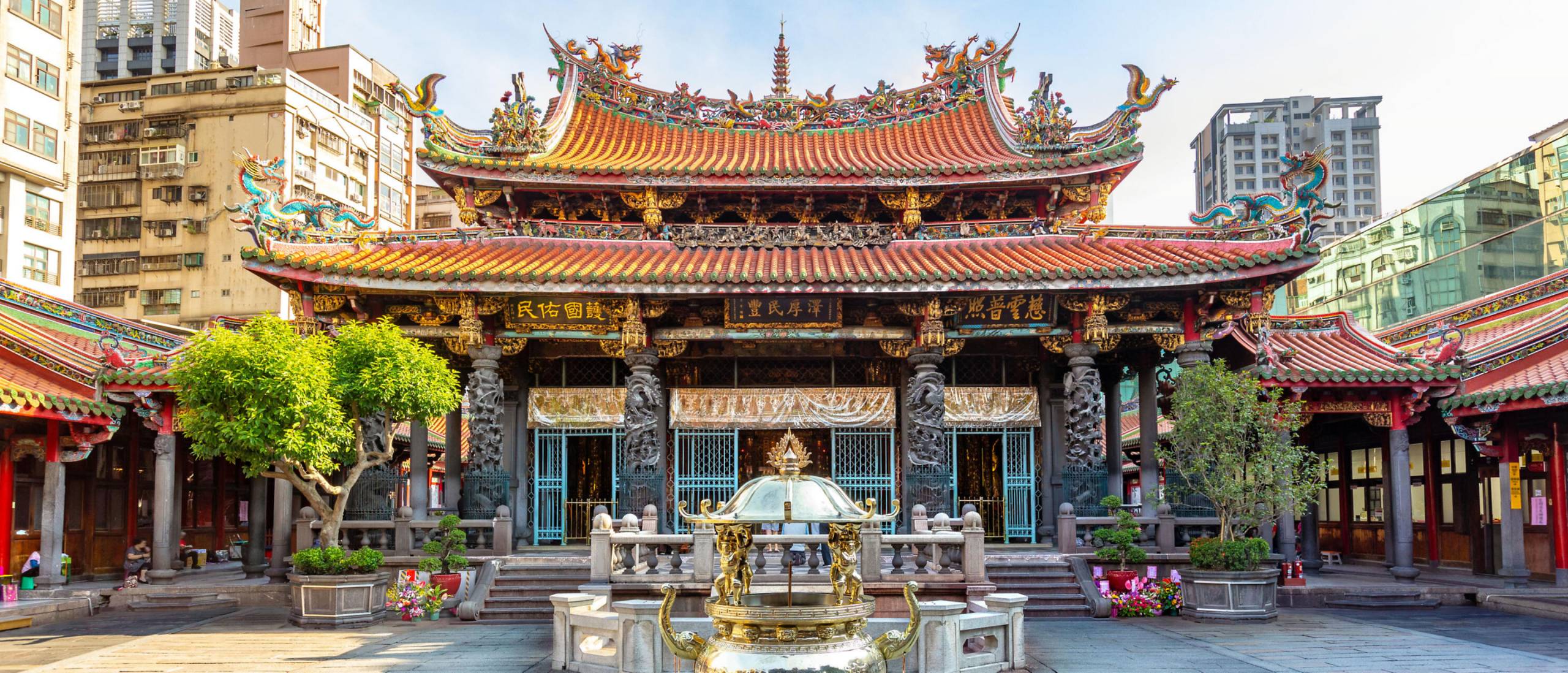
We’ll enjoy a leisurely start to the morning before making our way to Dihua Street, the oldest street in Taipei and the heart of the city’s traditional commercial district. In the company of a local guide, we’ll explore this iconic thoroughfare, admiring its well-preserved architecture and learning about the Taiwanese wares for sale in its profusion of shops, from tea to textiles and traditional medicine.
Our walk concludes with a Taiwanese tea tasting experience, accompanied by the opportunity for women to try on a cheongsam—a lavishly patterned, form-fitting dress with an up-right collar that was popular in China from 1920s to 1960s. Similarly styled changpao robes will be available for the men in our group.
After lunch, we’ll make our way to Longshan Temple, an ornately adored house of worship and one of the most important religious sites in Taipei. Built in 1740, Longshan honors Guanyin, the goddess of mercy in the local folk religion. We’ll witness a large statue of Guanyin inside, along with sculped dragons and signs featuring Chinese poetry.
Saturday, October 24
Taipei and Shifen
Today’s discoveries begin at Yehilu Geopark, a cape dotted with unusual, mushroom-shaped rock formations. Honed by waves and wind over thousands of years, these spectacular hoodoos spring from the edge of the surf, their thin, ocher-hued stalks balancing bulbous, grey-brown caps. Similar rock formations existing elsewhere—from Utah’s Bryce Canyon National Park to the “fairy chimneys” of Cappadocia—but what makes Yehilu particularly unique is its proximity to the sea.
Following lunch, we’ll make our way to the village of Shifen, located along the Pingxi Railway Line. Built by the Japanese at the turn of the 20th century to transport coal, the Pingxi Railway inadvertently delivered a new tradition to the mining towns along its route: releasing sky lanterns. According to legend, miners would send brightly colored lanterns into the sky to alert their families that they were safe. Over time, locals and visitor alike began writing their wishes and dreams on the lanterns and sending them to heaven. We’ll learn more about this tradition during a walking tour along Shifen Old Street, where the rail line is located. We’ll then have the opportunity to create our own sky lanterns during a hands-on workshop and relish the magical moment of releasing it into the sky together.
Sunday, October 25
Taipei
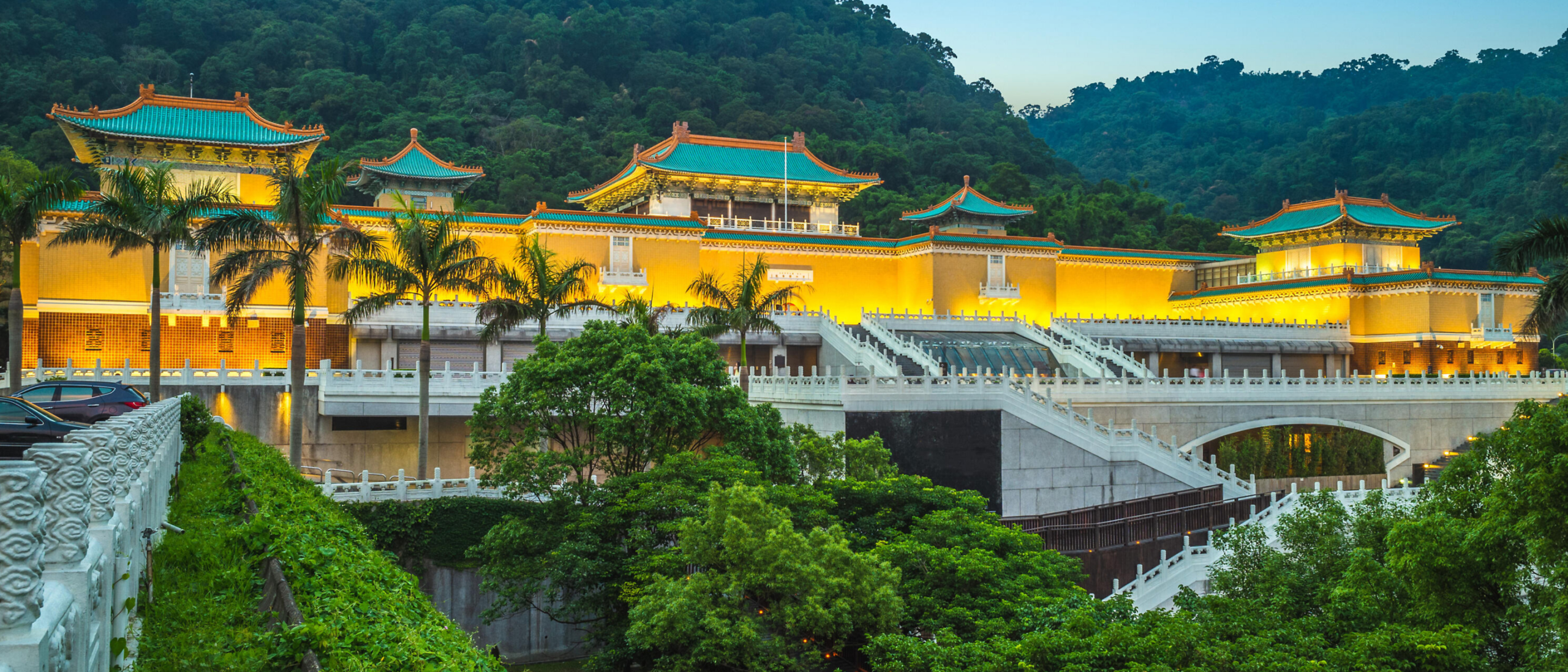
This morning we’ll make our way to the National Palace Museum, one of the most important cultural repositories in Taiwan. The museum houses nearly 700,000 artifacts and works of art representing nearly 5,000 years of Chinese history.
Our journey through Chinese and Taiwanese history continues this afternoon when we make our way to Four Four South Village. Originally built in 1948 to house military personnel and their families who fled the mainland during the Chinese Civil War, the village now stands as a testament to modern-day Taiwan’s humble beginnings. During our visit, we’ll meet with locals to learn more about Taiwan’s founding, its relationship with China, and what its future might hold.
China’s Imperial Cities (main trip)
Monday, October 26
Fly to Shanghai
China Airlines CI501
Depart TPE 08:45, arrive PVG 10:50
We’ll depart the hotel early this morning to catch our flight to Shanghai. Once we arrive and check in to our hotel, the rest of the day is free.
Blossom House Hotel Shanghai
4 nights
Tuesday, October 27
Shanghai
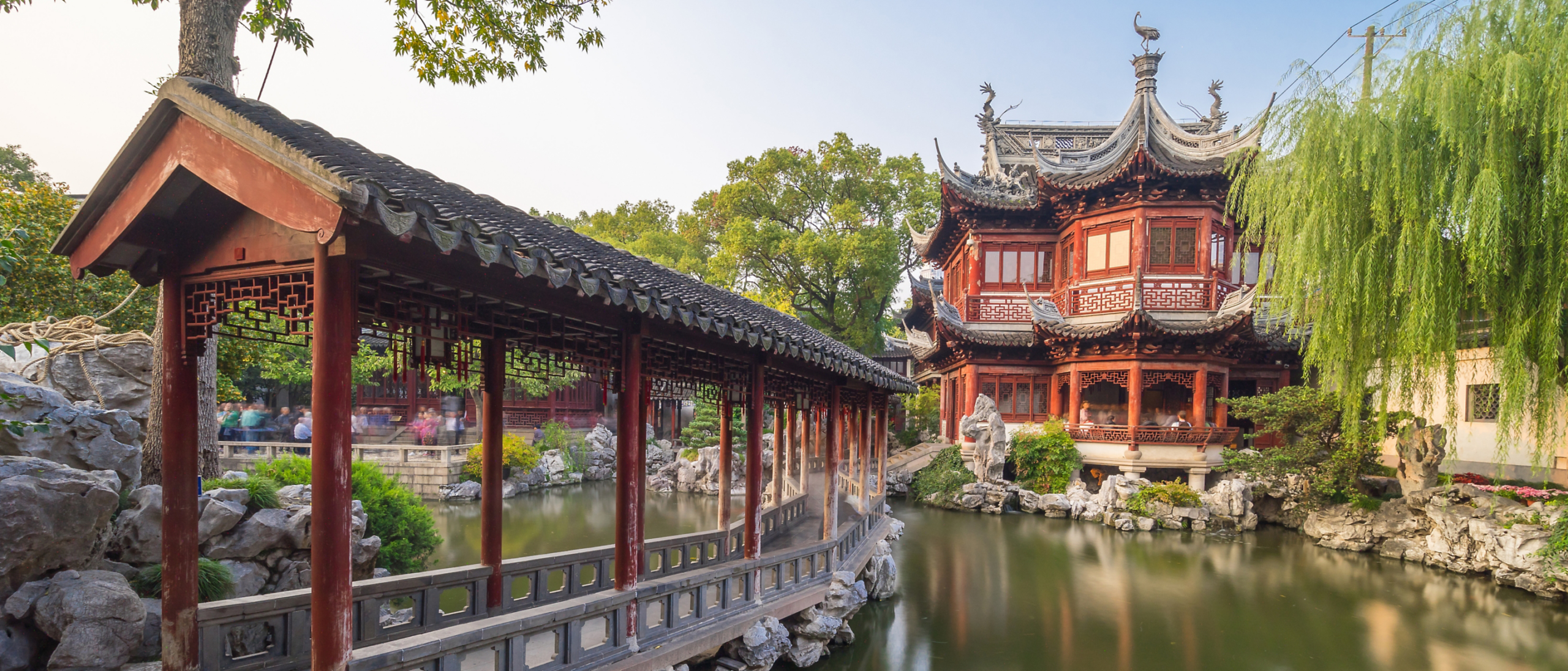
We’ll gather for a Welcome Briefing at the hotel before boarding a bus bound for Yu Garden. Constructed in the 16th century in what is now the Old City of Shanghai this botanical oasis features all the elements of a classical Chinese garden, including pavilions, rock formations, and ponds. We’ll have ample time to stroll along its serene pathways and explore its ornate halls before departing for lunch.
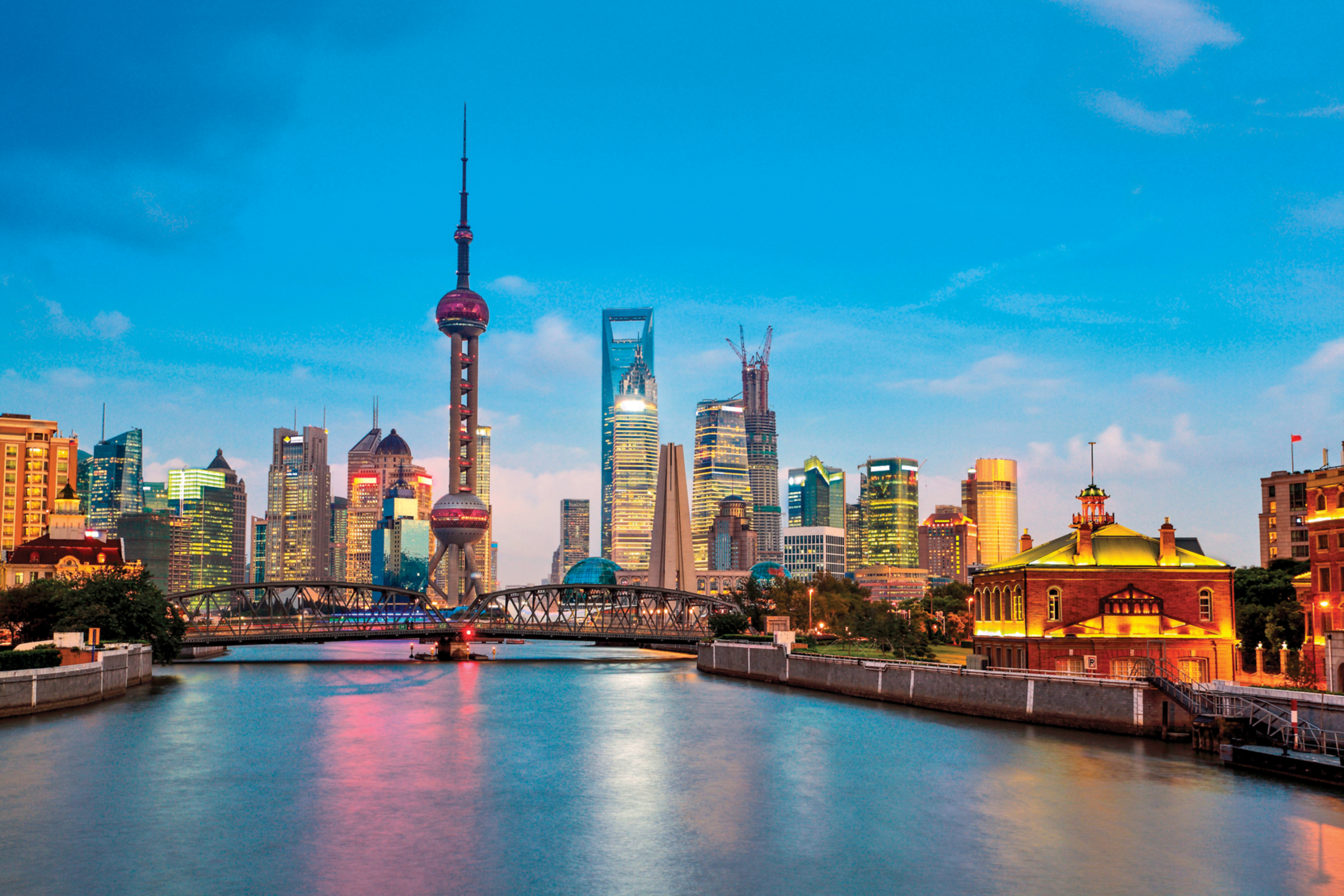
We’ll continue our discoveries after lunch with a walking tour of the Bund. The Bund is perhaps the most recognizable area of Shanghai; its Art Deco buildings hug the Huangpu River and stand as a tribute to the city’s wealthy past. But developers are breathing new life into this remarkable area and restoring it to its former glory. As you stroll the waterfront boulevard, notice how the European influence on Shanghai is apparent everywhere—from the historic Bank of China to the clock tower of the British Customs House.
Wednesday, October 28
Shanghai
This morning, we’ll venture to the historic Former French Concession (or French Quarter). This residential area with tree-lined avenues is home to myriad European-style villas, cafés, galleries, and shops. A local guide will take us on a walk through nearby Tianzifang (also known as Taikang Road). The narrow alleys and lanes here have preserved much original architecture, including French colonial structures and Chinese-style Shikumen (or stone gate) buildings.
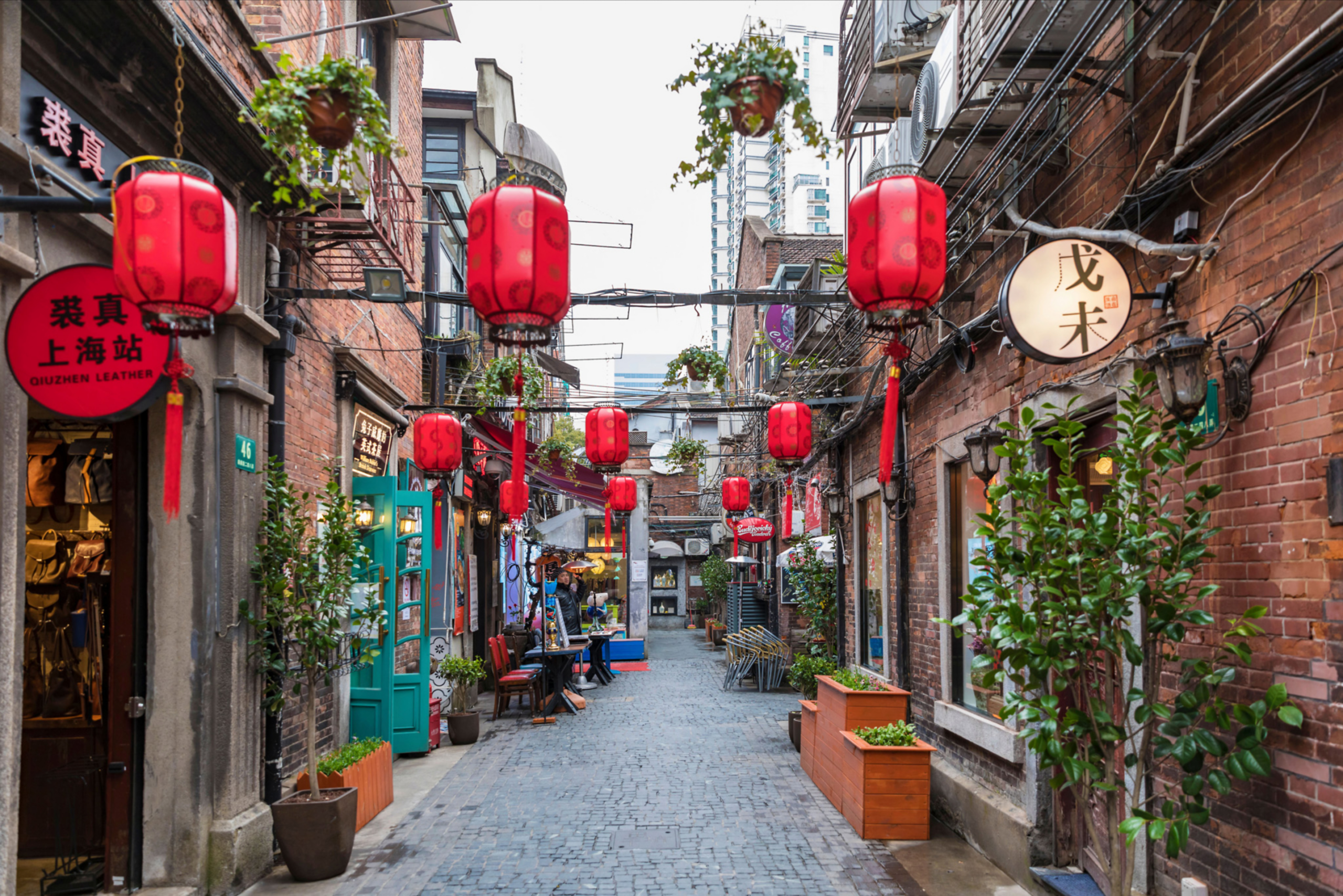
After lunch, we’ll have the option of joining our Trip Experience Leader to explore the Pudong area of Shanghai City. Located east of the Huangpu River, Pudong is a booming area of Shanghai. It was formerly acres of farmland, but today it is a brand-new district, created by the Chinese government in the 1990s to develop a Special Economic Zone. Over the next twenty years, Pudong became one of the busiest and most prosperous areas of the world. As an alternative, the M50 art district beckons. This is a trendy art district that is home to over 20 art studios.
Thursday, October 29
Shanghai and Suzhou
Following breakfast, we’ll set off on our daytrip to Suzhou. This is a 2,500-year-old city known for its exquisite gardens and traditional Chinese handcrafts. Wood-block prints and silk embroidery are typical local crafts.
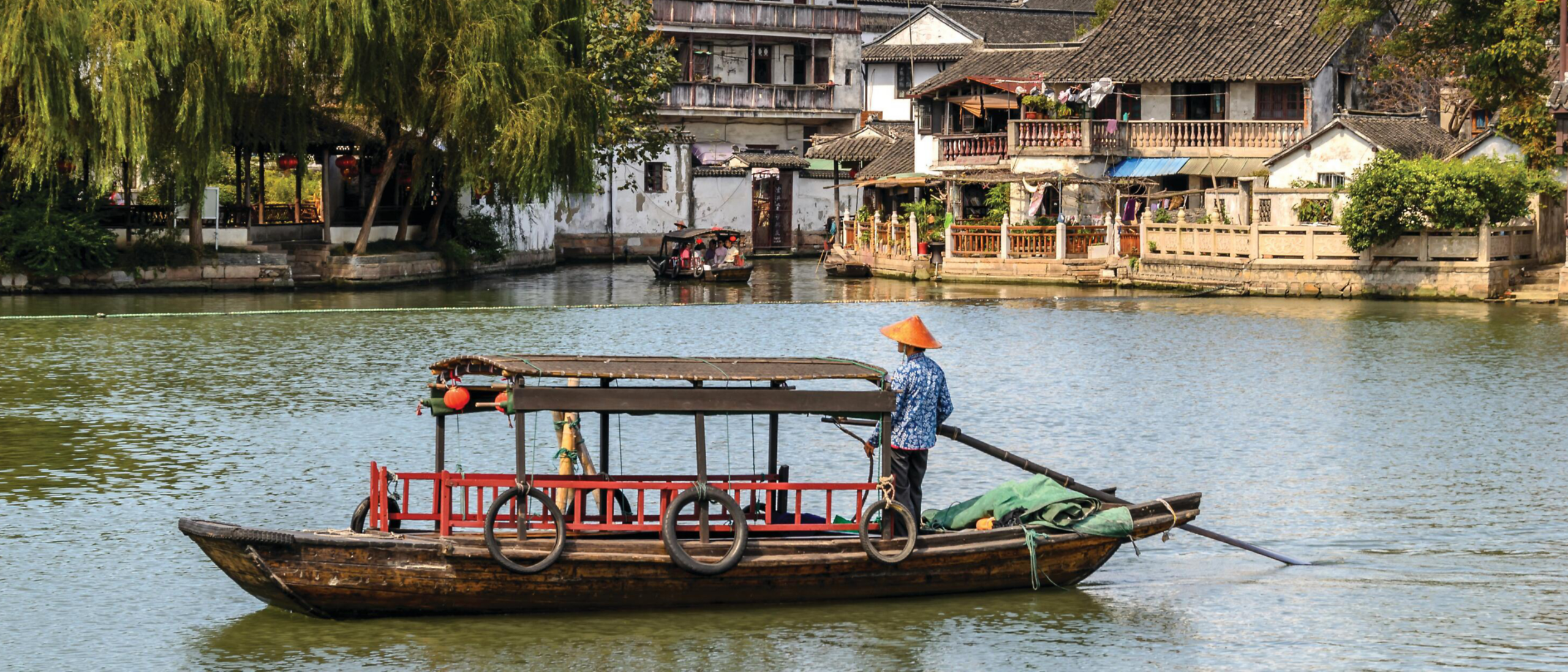
We’ll begin our explorations at Buddhist monastery known as West Garden Temple. This is the largest temple in Suzhou. It features classical gardens and ponds. There is also an impressive collection of Arhat statues honoring Buddhist leaders who achieve Nirvana. Then we will visit a local silk museum where we’ll see how classic Chinese fabric is woven.
After lunch, we will travel further back in time to Pingjiang Road. This historical street dates to the South Song Dynasty (1127–1279). The road is lined with traditional stone buildings. Then we will visit one of traditional gardens in Suzhou. We’ll explore its ponds, pavilions, and pathways to enjoy the beauty of old classic Chinese garden.
Friday, October 30
Fly to Guilin
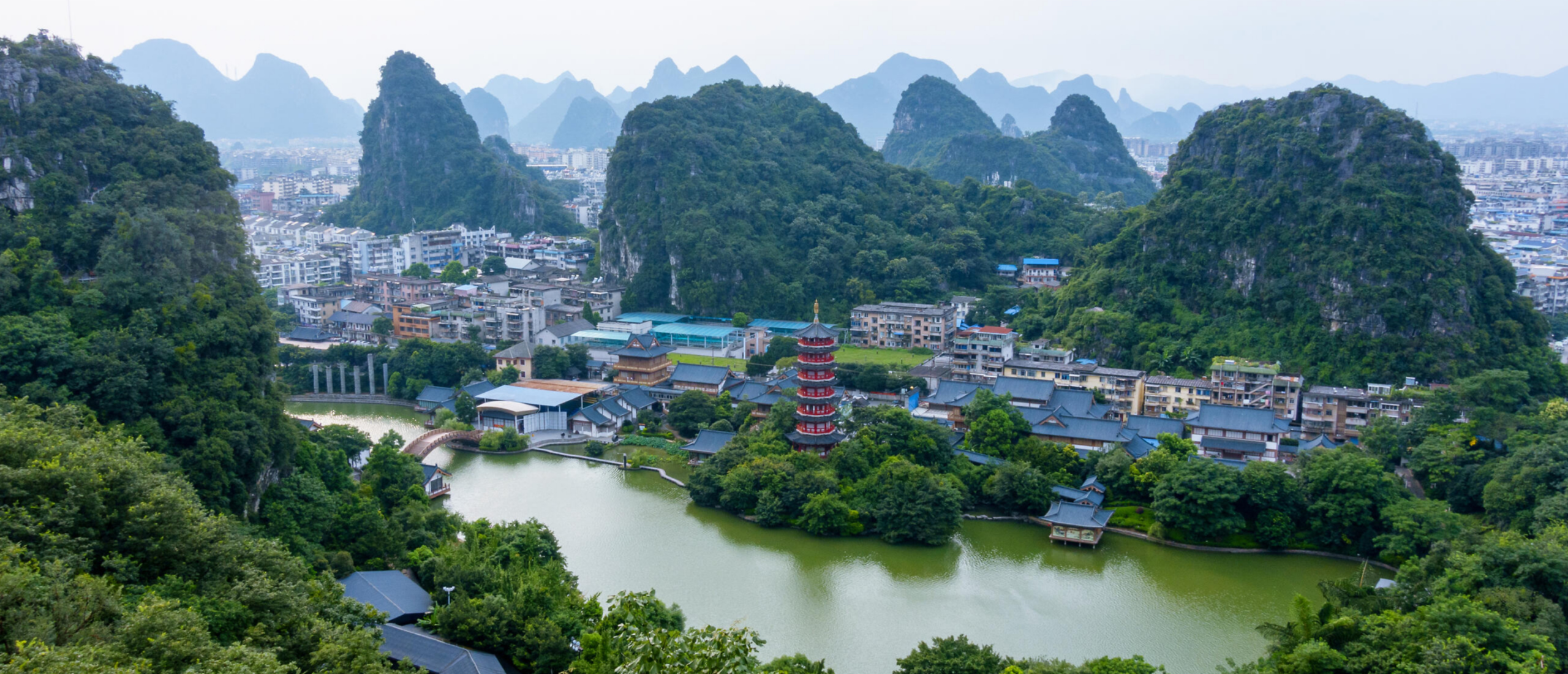
We’ll enjoy a leisurely start to the morning before heading to the airport for our afternoon flight to Guilin. Tucked among dramatic limestone karst mountains, Guilin is the gateway to some of China’s most dramatic natural landscapes. Its rivers, lakes, and gardens are a delight.
Upon arrival in Guilin late this afternoon, we’ll make our way to our hotel, and the remainder of the day is free.
Guilin Bravo Hotel
4 nights
Saturday, October 31
Guilin
Our first full day in Guilin begins with a journey into its iconic countryside. We’ll make our way to the Li River. Flanked on both sides by tens of thousands of sky-piercing karsts, the Li has been described in Chinese poetry as “a green silk ribbon, and the hills are jade hairpins.”
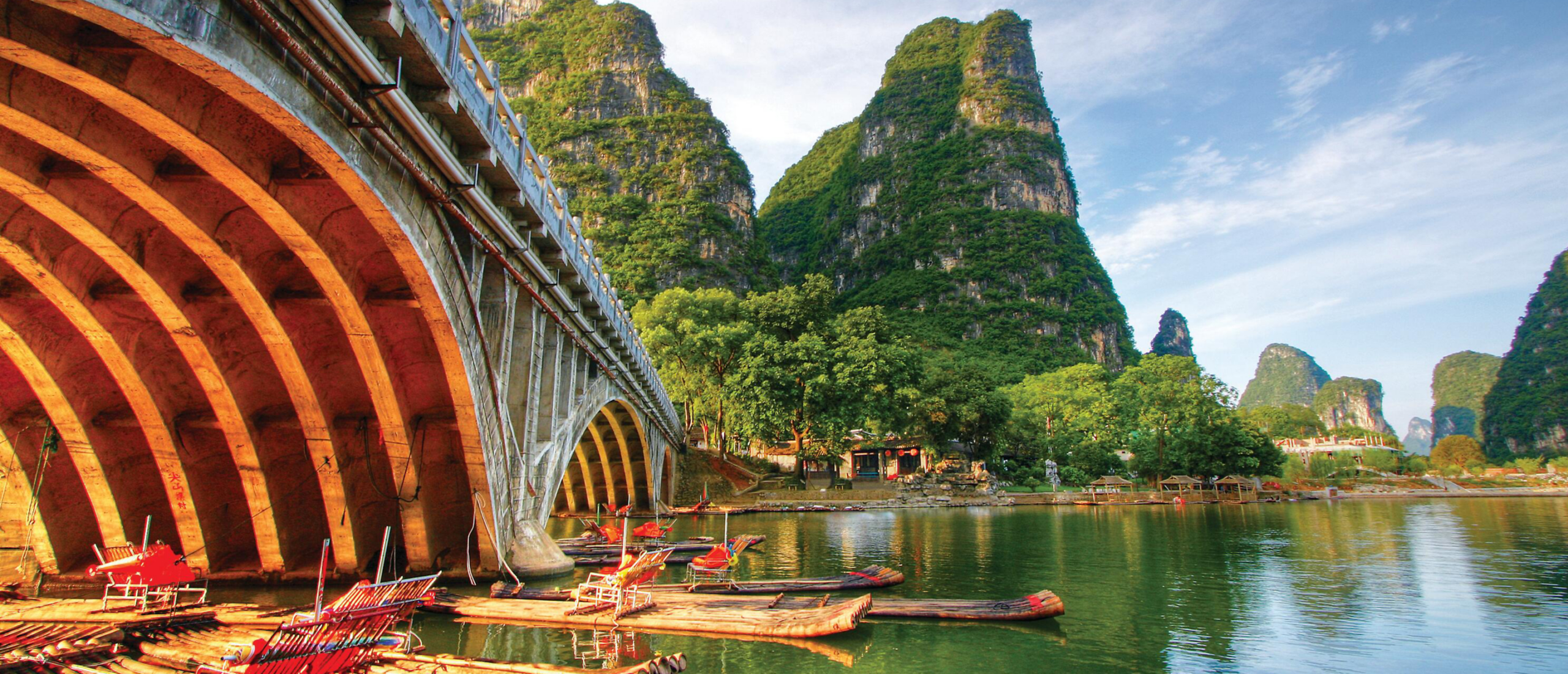
We’ll trace the 50-mile length of this aquatic ribbon on a half-day boat tour. Starting at a Mopanshan pier, we’ll enjoy awe-inspiring views of the stone forest that surrounds us. We’ll also learning about some of the legends this spectacular landscape has inspired.
While the karsts along the Li are abundant, they’re just a tiny sliver of the more than 200,000 square miles of karst terrain that covers South China. In fact, the karst landscape in this region is so vast and so spectacular, it has been destinated as a World Heritage Site by UNESCO.
We’ll enjoy lunch onboard our river boat as we sail. Then, after disembarking at Yangshuo pier, we’ll make the short drive to the old town of Fuli, which overlooks the Li. While Fuli’s natural surroundings are unbeatable, the town’s true claim to fame are its traditional ink-painted fans. We’ll visit a local workshop where these delicate works of art are made. And we’ll have the opportunity to paint a fan of our own to keep.
Sunday, November 1
Guilin and Dong village
Following breakfast, we’ll head to the train station to begin our journey into the countryside. Our ultimate destination is a Dong village. There we’ll experience A Day in the Life of a local Dong minority group. En route, we’ll stop at a local farmer’s market to pick up a few ingredients we’ll need later in the day.
When we arrive at the village, we’ll be treated to a traditional welcome ceremony and meet the village representative. Then we will make our way to the home of one of the villagers. We’ll witness characteristics common among Dong villages, including wooden houses supported by stilts, a drum tower, and covered bridges.
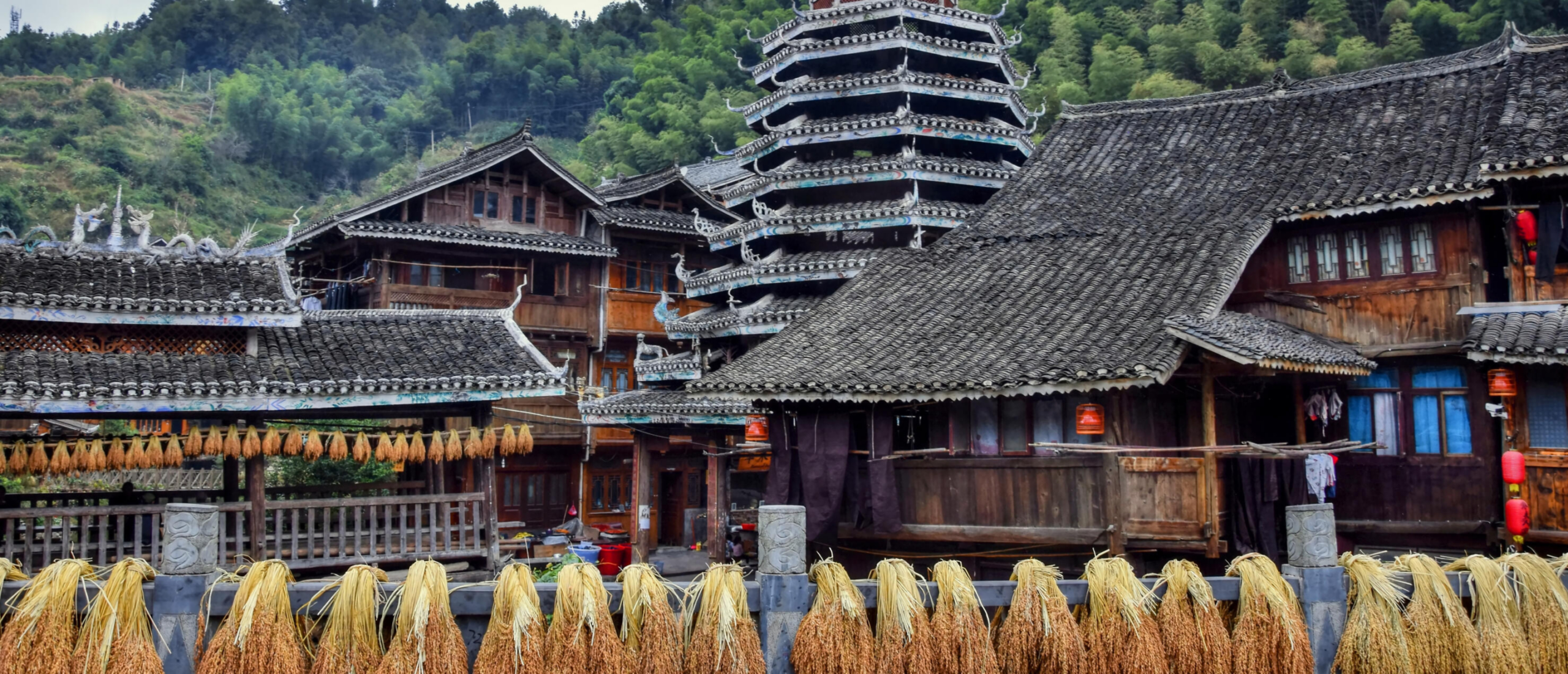
Upon arrival at the home, we’ll learn how to make traditional oil tea. Then we’ll help the family prepare lunch using the ingredients we purchased earlier in the day. We’ll join other members of the Dong community for lunch. This will also be our opportunity to learn more about the life of Chinese minority groups.
After lunch concludes, we’ll visit a family run workshop for a hands-on experience with traditional sheng instruments—vertical flutes made of bamboo—before beginning the journey back to Guilin.
Monday, November 2
Guilin
Our day begins with a visit to a local tea garden nestled in the foothills of the mountains. Upon arrival, we’ll spend some time with a local tea master. WE’ll learn about the finer points of Chinese tea culture—from cultivation practices, to service and consumption rituals, and the significance of tea in daily life. Then, we’ll explore the property and put our new-found cultivation knowledge to the test as we collect tea leaves.
The afternoon is free. We’ll reconvene late to make our way to the village of Lujiacun, where we’ll enjoy a special dinner together.
Tuesday, November 3
Fly to Chengdu
This morning we’ll head to the airport for our flight to Chengdu, the fourth largest city in China and the capital of the Sichuan province. But while Chengdu may be one of the country’s most important economic engines, its real claims to fame are its fiery cuisine and its most adorable residents: giant pandas.
After our flight touches down in Chengdu around mid-afternoon, we’ll make our way to our hotel.
Following dinner, we’ll enjoy a Face-changing Performance. Face changing, or bian lian in Chinese, is an ancient Chinese dramatic art that is part of the traditional Sichuan style of opera. Performers wear brightly colored costumes and move to quick, dramatic music. But what is most impressive is their ability to change from one vividly colored mask to another in magically quick succession.
Holiday Inn Chengdu Oriental
3 nights
Wednesday, November 4
Chengdu
Following breakfast, we’ll make our way to a Giant Panda Sanctuary. Sichuan Province is the native habitat of the giant panda. And this facility has live pandas on display, the largest number you can see anywhere in the world. During our three hours here, you’ll see these large, beautiful animals freely roaming and munching on bamboo in a natural environment. There are only 1,000 pandas still living in the wild in all of China. Most are in northern Sichuan and in Gansu and Shaanxi provinces, in elevations between 4,000 and 10,000 feet.

First appearing in the fossil record some three million years ago, the giant panda is under siege in this century—from habitat eradication, cyclical starvation, and poachers who get as much as $10,000 for a giant panda hide in Hong Kong and Japan. China’s ambitious ten-year conservation plan aims to preserve existing habitats, expand existing reserves, and create new reserves in an international effort to stave off the extinction of this elegant, almost mystical, animal.
Given the scale of the battle being fought for the panda’s survival, places like the Giant Panda Sanctuary are essential. The sanctuary is not a zoo but a simulated habitat. The pandas have acres of space to roam and thrive as nature intended. We’ll take a guided tour through the sanctuary and have the rare chance to see the giant panda.
After lunch at a restaurant inside the Panda Breeding Center, we’ll have a free afternoon. Then in the evening, we’ll join local families in their homes in Chengdu for a Home-Hosted Dinner.
Thursday, November 5
Chengdu
Our day begins with an activity that’s sure to put a pep in our steps: a hands-on cooking experience at the Sichuan Cooking Museum. Characterized by bold and spicy flavors, often with complex floral, sour, and sweet notes, Sichuan cuisine is perhaps the most notable in all of China—and Chengdu is at the epicenter. In fact, the city is so culinarily essential that UNESCO recognized it as a City of Gastronomy in 2010. We’ll learn more about the history and composition of Sichuan cuisine at the museum, which is home to over 6,000 artifacts representing this beloved cooking style. Then, we’ll have a chance to put our knowledge to the test when we head to the kitchen to prepare a Sichuan meal of our own.
Friday, November 6
Train to Xi’an
This morning we’ll visit a Traditional Chinese Medicine hospital offering insight into a holistic medical tradition that has been part of everyday Chinese life for centuries. Afterwards, we’ll make our way to the train station for our transfer to Xi’an. Once we have arrived and checked into our hotel, the remainder of the day is free.
Xi’an Bell Tower Tongpai Hotel
3 nights
Saturday, November 7
Xi’an
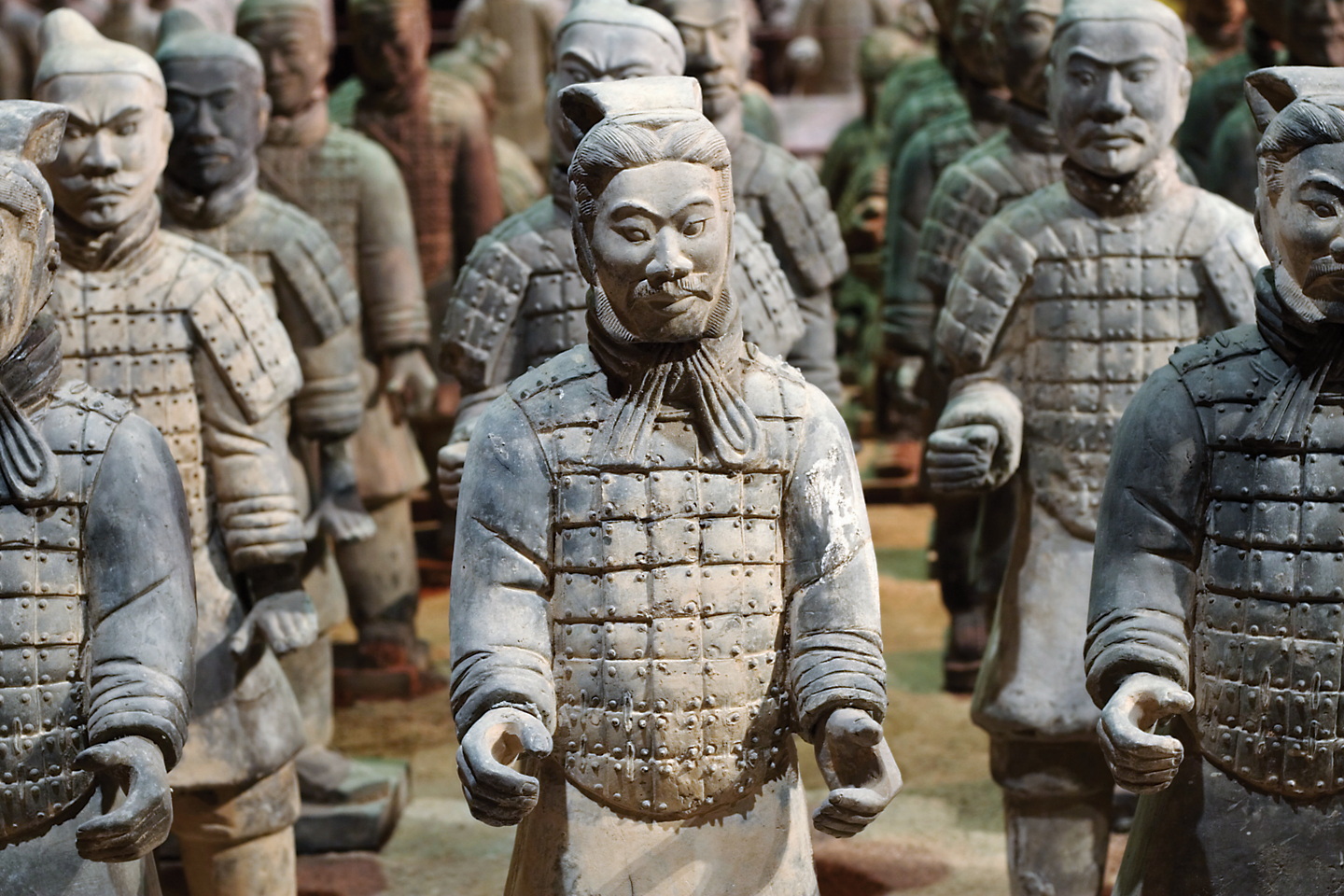
Our day begins with a visit to one of the most iconic sites in all of China: Xi’an’s Terra Cotta Army. We’ll marvel at the great ranks of life-sized soldiers, generals, charioteers, and horses. Considered one of the foremost archaeological discoveries of the 20th century, the 2,000-year-old Terra Cotta Army was discovered by accident in 1974 by local farmers digging a well.
The 6,000-plus life-sized figures are arranged in vaults at the entrance to the tomb of Qin Shi Huangdi, the first Qin emperor, a major architect of the Great Wall and unifier of China. The soldiers are ranked in military order, hold actual spears and swords and, incredibly, have unique facial expressions. There is also an exhibit of a remarkable miniature model of a Qin Dynasty bronze chariot, complete with horses and coachmen.
Following lunch, we’ll make our final discoveries at the Terra Cotta Army Museum before making our way to the community-founded Xiahe Primary School which is supported in part by donations from Grand Circle Foundation—part of the World Classroom initiative.
About Xiahe Primary School
The rural Xiahe Primary School received little in the way of financial support before the 1990s. Grand Circle Foundation helped make several improvements to the structure, including replacing the gate at the school’s entrance. Laptops were also purchased for the teachers and students to foster a more interactive, technology-forward learning environment.
During our visit, we’ll tour the school and spend some time getting to know the students and teacher. This will provide a unique opportunity to gain some personal insight into Chinese culture.
Sunday, November 8
Xian
This morning we’ll make our way to the Temple of the Eight Immortals. This is the largest Taoist temple in Xian. En route, we’ll stop at a local park to learn about the Taoist practice of tai chi from a local master. This low-impact exercise is believed to balance the body’s qi (energy) through slow, deliberate movements and breathing.
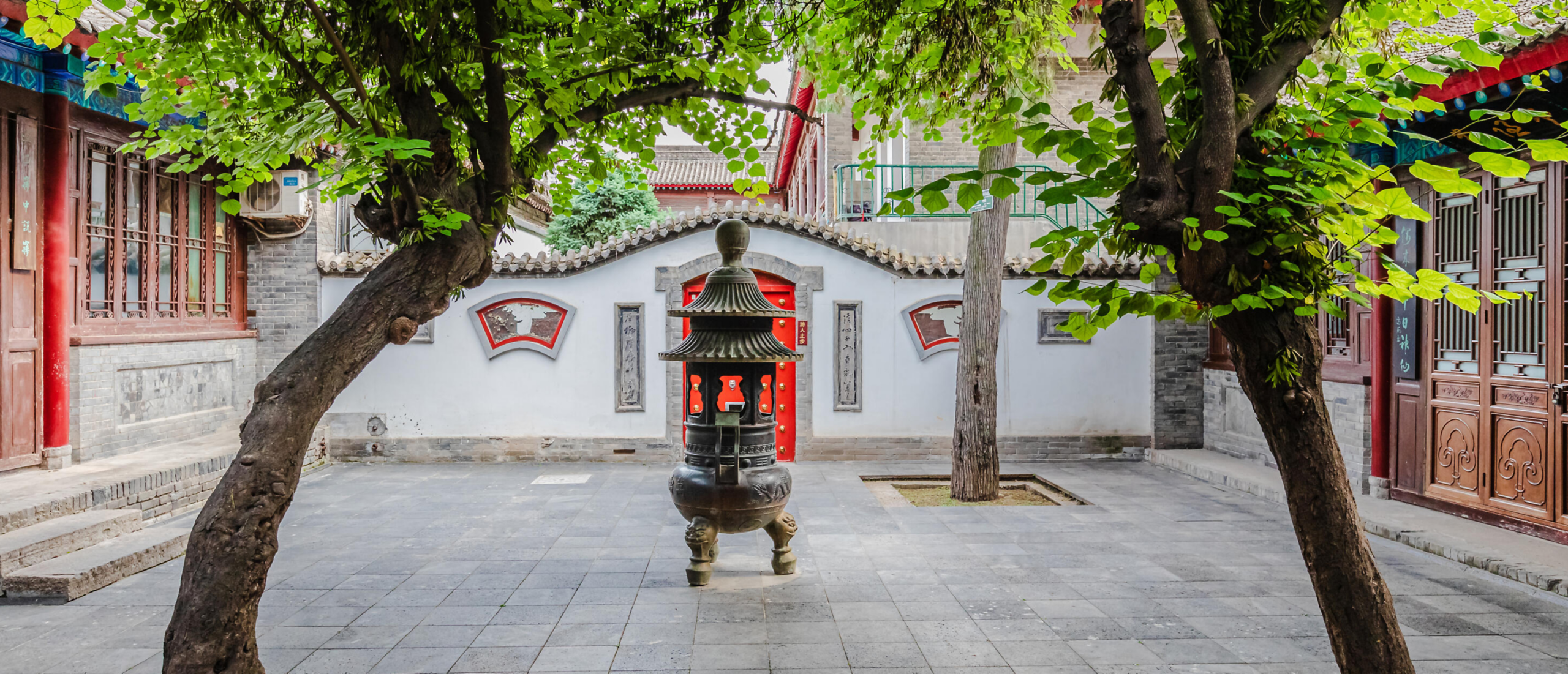
Our education in Taoism continues upon arrival at the temple. As the name promises, we’ll witness statues of the legendary Eight Immortals. These represent essential figures of prosperity and longevity in Taoist doctrine and popular elements in secular Chinese culture as well. We’ll also explore the temple’s various halls and annexes to learn about their significance to Taoist history. We may encounter worshippers burning incense as they offer up prayers.
The afternoon is free. In the evening we’ll attend a Tang Dynasty cultural dinner show. The Tang Dynasty was a period of peace and exceptional creativity from 618 to 907 CE. The beautiful costumes, enchanting dances, and ancient music of the period have been carefully re-created. This type of performance has been treasured as a national art that reflects the glory and richness of the Tang Dynasty.
Monday, November 9
Fly to Beijing
We’ll have a free morning, as our flight from Xian to Beijing departs midafternoon. Once we arrive and make our way to the hotel, the rest of the afternoon and evening is free.
Beijing International Hotel
4 nights
Tuesday, November 10
Beijing
Like the old Chinese puzzles of “boxes within boxes,” Beijing was originally laid out in a series of concentric circles. We focus on the innermost two today: The Forbidden City and the surrounding Imperial City.
We begin at the Forbidden City, or Gugong, a 9,000-room maze of courtyards, palaces, and ceremonial halls. Here 24 emperors (“the Sons of Heaven”) and two dynasties ruled the Middle Kingdom. Protected by 30-foot-high walls and a 160-foot-wide moat, the Forbidden City was indeed a forbidden place; commoners were kept out for nearly 500 years.
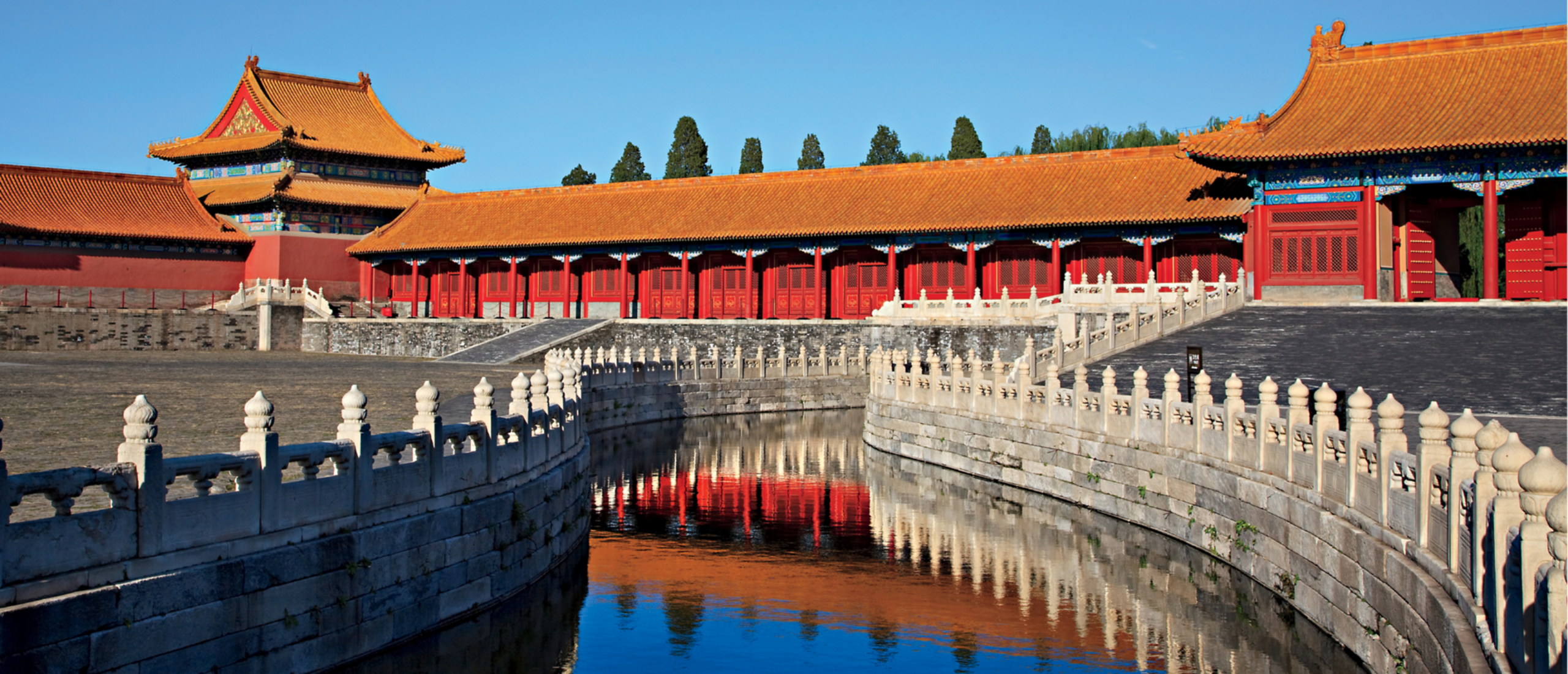
The day’s discoveries continue this afternoon at Tiananmen Square. But before we make our way there, we’ll meet with a local resident for a conversation about life in Beijing.
As we explore Tiananmen Square together, this conversation will likely stand in sharp contrast to what we see before us. There will be couples strolling, families gathered, and children flying kites. At 100 acres, Tiananmen Square is the largest public square in the world, capable of holding more than a million people. Each of the cobblestones is numbered so that parade units can line up in their assigned spots.
Around the perimeter of the square, we’ll witness official buildings and legendary landmarks—including the Great Hall of the People and the towering Monument to the People’s Heroes, a 125-foot granite obelisk honoring those who died in the communist revolution. The square is presided over by the giant portrait of Chairman Mao, which hangs above the Gate of Heavenly Peace and seems to stare down at the leader’s own Memorial Hall. Mao is entombed in the Hall in a crystal sarcophagus, his body draped in the red flag of the People’s Republic that he founded in 1949.
Wednesday, November 11
Beijing and the Great Wall
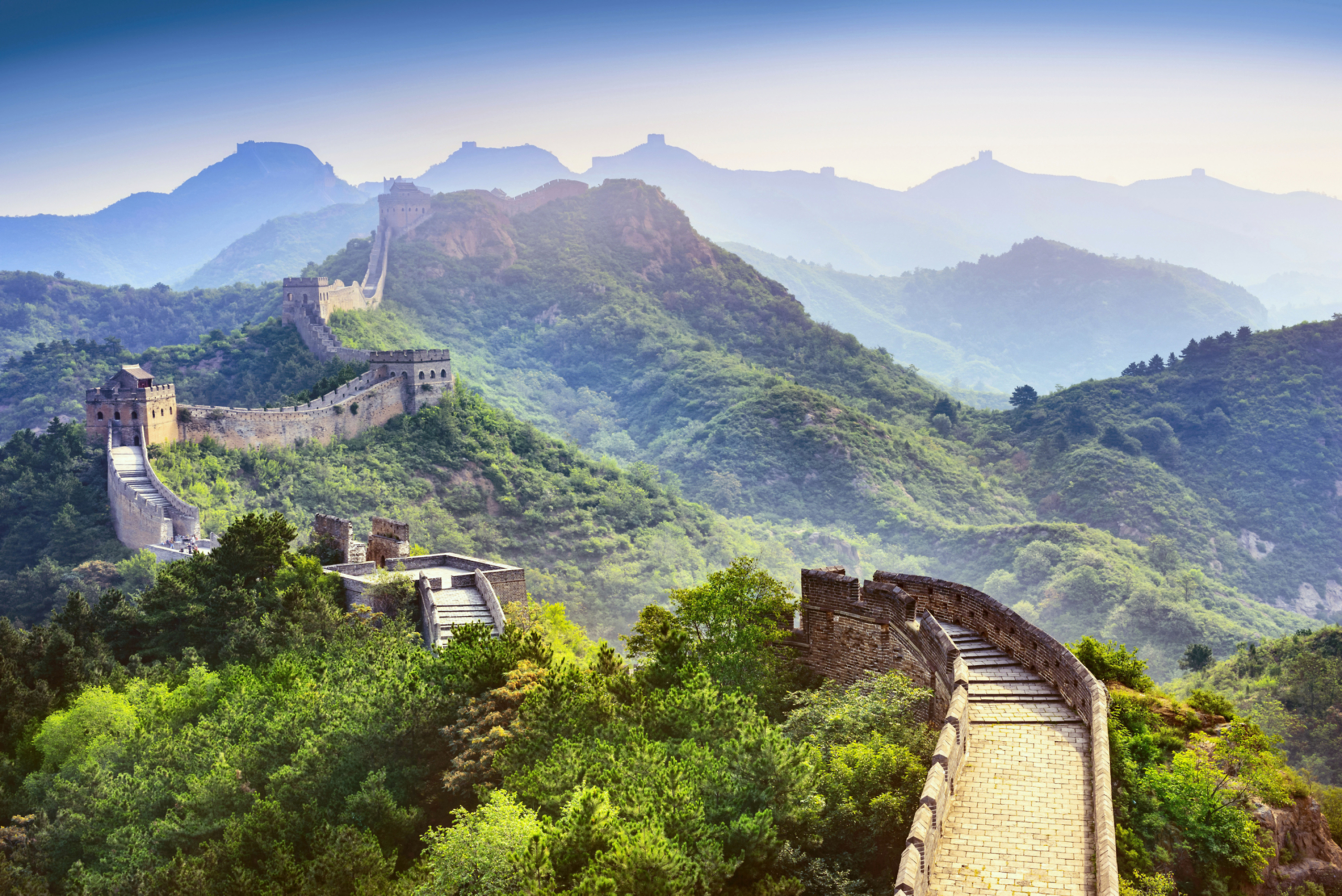
Following breakfast, we travel outside Beijing to explore the Great Wall of China. This ancient series of fortifications was built to defend China’s northern frontier. China’s Great Wall easily qualifies as the world’s greatest civil engineering feat. The massive ramparts were begun in separate strategic sections between 403 and 221 BCE. During the reign of China’s first Qin emperor, Qin Shi Huangdi, some 300,000 men worked to connect the segments into one huge, snaking fortification. Archaeologists estimate that the wall once ran for 6,200 miles through an expanse that now covers 16 provinces.
Today, the wall is still impressive at 3,750 miles in length, stretching from the Bohai Sea to the Gobi Desert. Contrary to common belief, the Great Wall was more than just a barrier. It also served as an elevated highway linking the defensive forces along China’s rugged northern frontier. The roadway atop the wall provided a means of rapid communication and deployment of troops, arms, and food.
Later, we’ll make our way to a jade factory. Here, we’ll see how this precious Chinese stone is transformed into jewelry and works of art.
Afterwards we’ll visit the Beijing Shaolin Kungfu School, where we will learn about Chinese Martial Arts from both students and teachers.
Thursday, November 12
Beijing
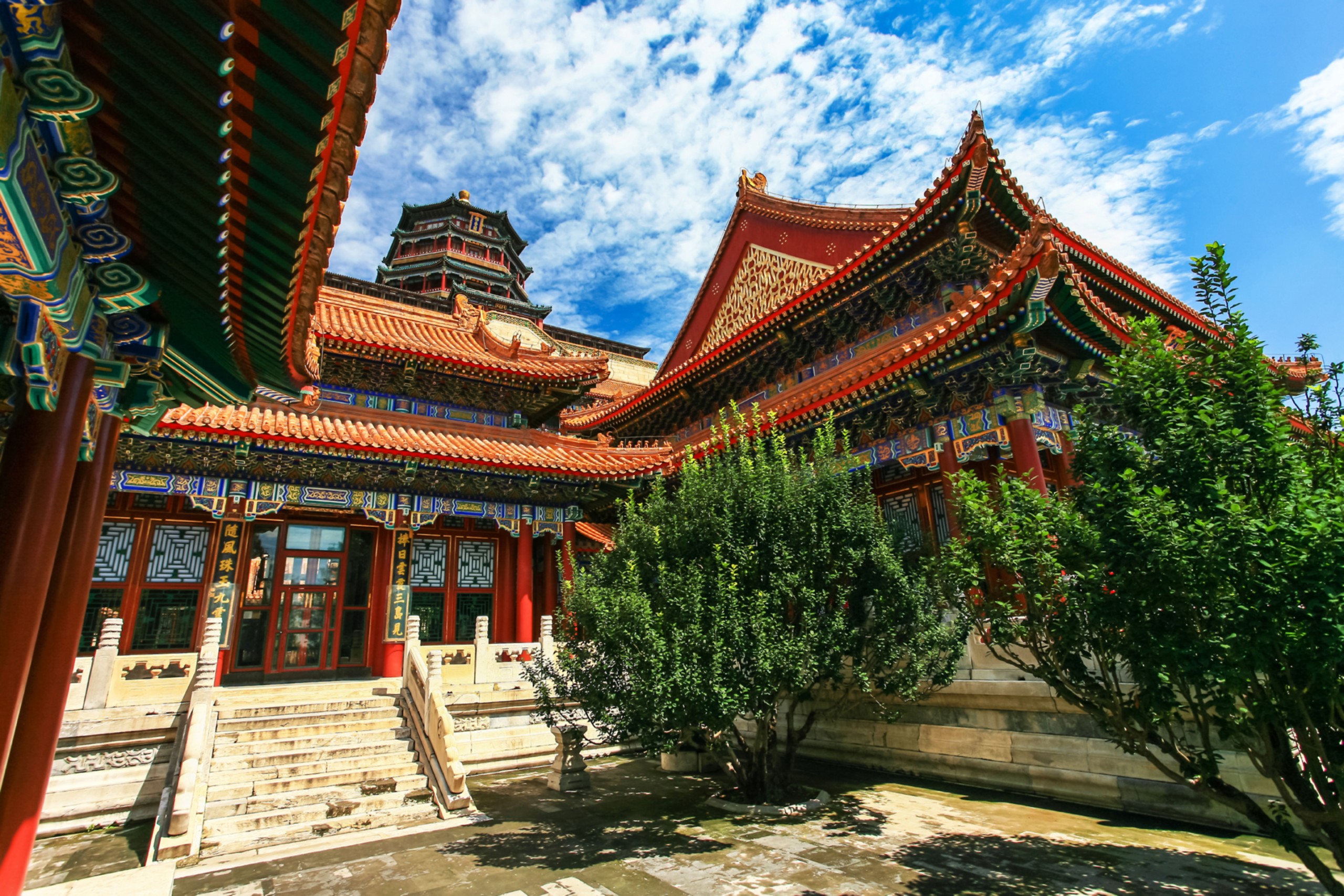
Our day begins with a walking tour of one of Beijing’s most notable treasures—the Summer Palace. This palace has the largest and best-preserved royal garden in China. Early in the Jin Dynasty, an imperial palace named Golden Hill Palace was built here. Through the centuries, portions of the grounds and buildings were destroyed during warfare, then restored or redesigned. The Summer Palace of today is more or less the same as the palace rebuilt in 1903.
After the last Qing emperor, Puyi, was thrown out of the Summer Palace in 1924, the garden was turned into a park. Surrounded by lovely Kunming Lake and classic Chinese gardens, the palace halls and pavilions are filled with ornate furnishings and fine artwork. Today, this is a popular space for locals who come to do exercise, walk their dogs, or simply stroll. Perhaps we’ll have a chance to get to know some residents as they go about their daily lives.
Lhasa: Tibet’s Spiritual Heart
This is the post-trip extension for the China tour.
Friday, November 13
Fly to Lhasa
We’ll spend the majority of the afternoon flying to Lhasa. Known as the “City of the Sun” Lhasa is the political and economic center of Tibet. Founded in the seventh century, Tibet was a remote mountain theocracy based on the mystical tenets of Lamaism, a form of Tantric Indian Buddhism coupled with Tibetan shamanism. Here, feudal Lamas ruled the rural population. Their spiritual authority was matched by their complete control of internal affairs. Some reigns were benevolent, while others were ruthless.
The autonomy of the Lamas waxed and waned during various Chinese dynasties. In 1951, through military action and pressured negotiation, China re-established its sovereignty. In 1959, the Dalai Lama fled to India.
Widespread persecution of the Tibetan people continued, reaching a peak during the Cultural Revolution. Thousands of monks and nuns were sent to labor camps. Hundreds of ancient monasteries were destroyed. Arbitrary agricultural reforms, such as imposed planting of unfamiliar crops and the collectivization of yak and goat herds, undermined traditional Tibetan life. In spite of these hardships, Tibetan culture has continued to thrive. Attempts by the government to bring the Dalai Lama back to China have been unsuccessful so far.
Upon arrival in Lhasa, we transfer to our hotel for time to to relax and adjust to the 12,000-foot altitude.
Minshan Hotel Lhasa
4 nights
Saturday, November 14
Lhasa
Following a leisurely start to the morning, we’ll make our way to the spacious parks, gardens and fountains of Norbulingka Palace. This beautiful example of “Yellow Hat” architecture was built in the 1700s by the seventh Dalai Lama. It served as the summer home of successive Dalai Lamas until the late 1950s.
Following lunch, we’ll visit the Sera Monastery, named for the wild roses that grew all around the site centuries ago. Before 1959 the monastery was the home for more than 7,000 monks. But since then the monastery has only increased in cultural significance and emotional power. Built in 1419—the year that the sect’s founder, Je Tsongkhapa, died—Sera Monastery features the largest Tsokchen (main assembly hall) in the town, four stories high and with nearly 11,000 square feet of floor space. The monastery houses precious gifts from the Emperor to one of Je Tsongkhapa’s disciples.
Upon our return to the hotel, we’ll enjoy a few hours of free time. Later we’ll reconvene as a group for a conversation with a university professor about Tibetan history and culture.
Sunday, November 15
Lhasa
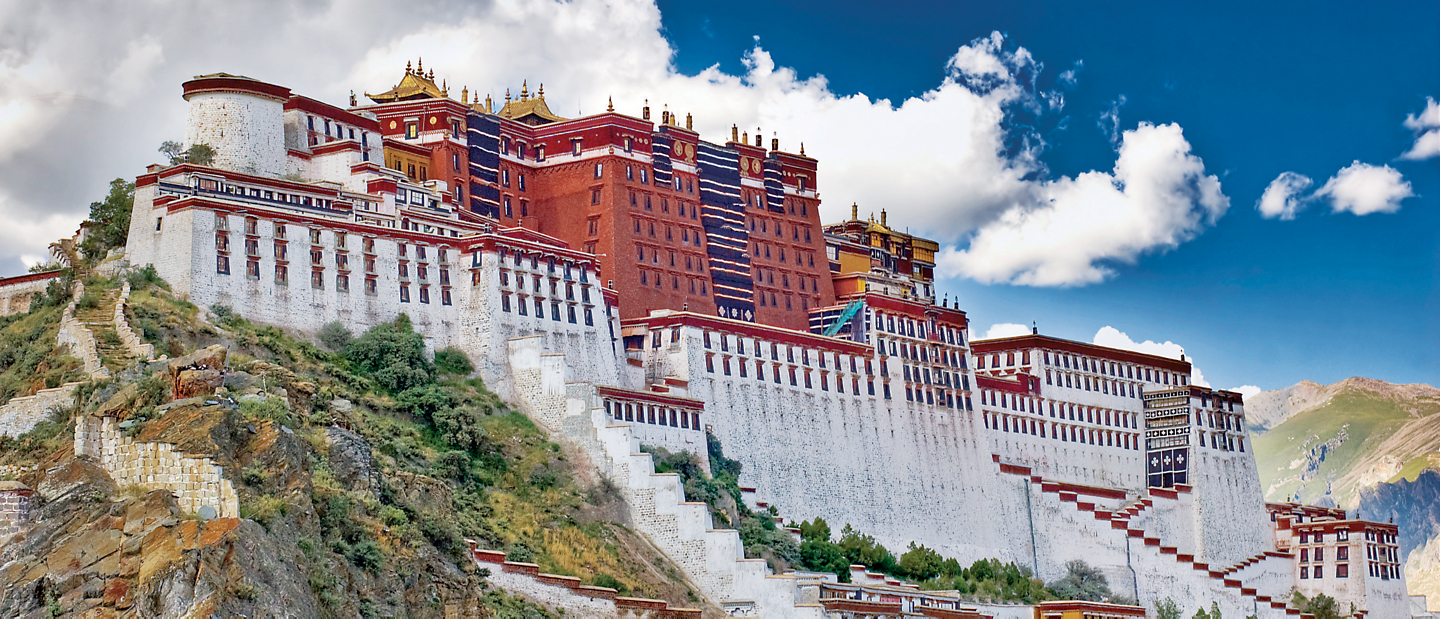
Our day begins at one of the grandest monuments in all of Asia: the extraordinary Potala Palace. Built in the 17th century (atop the original seventh-century site), it boasts more than 1,000 rooms, including the Red palace (where the Dalai Lama once lived), 10,000 chapels, and a labyrinth of dungeons. It took 7,000 workers and 1,500 artists and craftsmen more than 50 years to build the adjoining White and Red palaces. This Eastern architectural triumph was the world’s tallest building before the creation of 20th-century skyscrapers.
With a local guide by our side, we’ll make our way up to Potala Palaca, involving approximately 360 stairs, where we’ll encounter pilgrims who journey to this sacred Buddhist shrine from throughout Tibet. Behold a stunning array of treasures: A grand ceremonial hall with hanging brocades and painted religious scrolls, vivid murals, statues of Buddha, and a mandala made of 20,000 pearls. Of particular note are the rich gold and jewel-encrusted tombs of eight Dalai Lamas. Perched on Red Mountain, the Palace offers sweeping views of the city and surrounding peaks.
This afternoon we’ll make our way to the home of a local family to learn what it’s like to live in Tibet. During this special people-to-people experience, you’ll have the opportunity to ask about Tibetan Buddhism, traditional customs, and cultural identity.
Monday, November 16
Lhasa
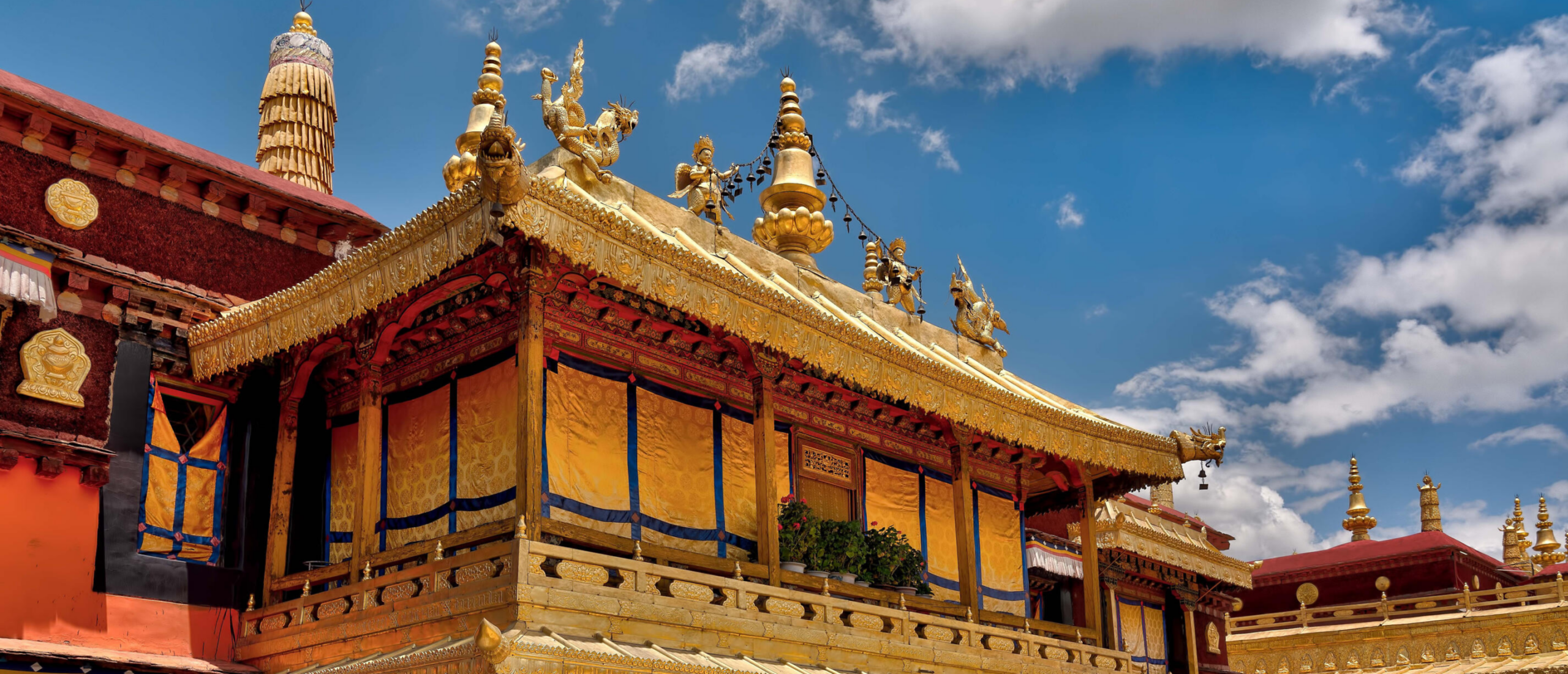
Following breakfast, we’ll make our way to Jokhang Temple, where we are likely to see Buddhist pilgrims making clockwise circuits on their hands and knees in reverence to one of Tibet’s most sacred sites. Thousands of yak-butter candles flicker inside beneath the enlightened gaze of the golden Jowo Sakyamuni, the seventh-century Buddha statue that the temple was built to house. From there, we’ll continue on to Bharkor Street, the first street in the oldest section of Lhasa, which bustles with marketplace activity and religious devotion.
Our discoveries continue this afternoon at the Tibet Museum, where we’ll witness artifacts representing all facets of the Tibetan experience, from the region’s complicated history and diverse natural resources, to local religion, customs, and arts and crafts.
Tuesday, November 17
Fly to Beijing
We fly from Lhasa to Beijing this afternoon. We’ll have a final dinner together at a restaurant near our hotel.
Beijing Guoce International
1 nights
Independent tour of Kyushu
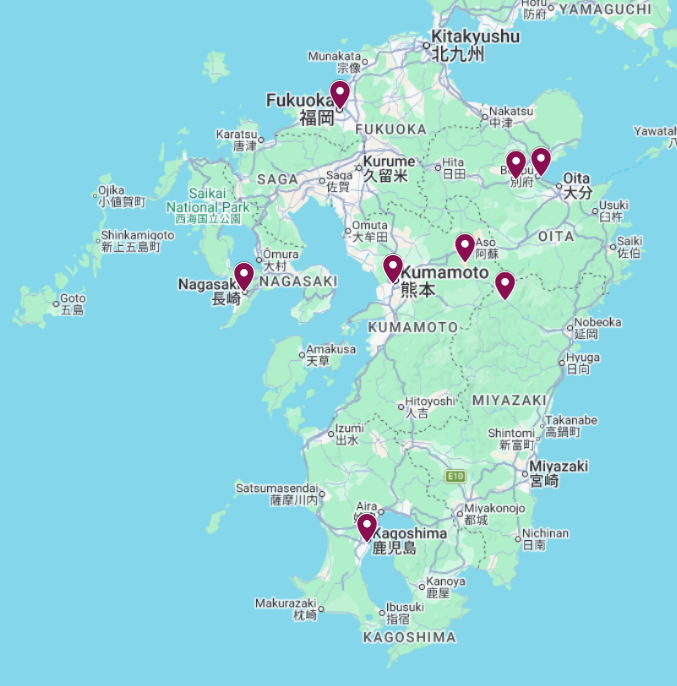
What Novaland has put together for me is almost entirely independent. They have arranged lodging in each city and transportation between cities, and there are a few organized tours and activities. They’ll provide “travel tips, maps, and guidance.” But for the most part, I’ll be on my own. In most cases I’ll have to arrange my own transfers between hotels and train stations. They’ll also offer restaurant recommendations, but meals are not included, with the exception of hotel breakfasts and a kaiseki dinner.
Wednesday, November 18

Fly to Kagoshima, Japan
Air China CA181
Depart PEK 08:45, arrive HND 12:50

Japan Airlines JL651
Depart HND 15:40, arrive KOJ 17:30
Thursday, November 19
Kagoshima
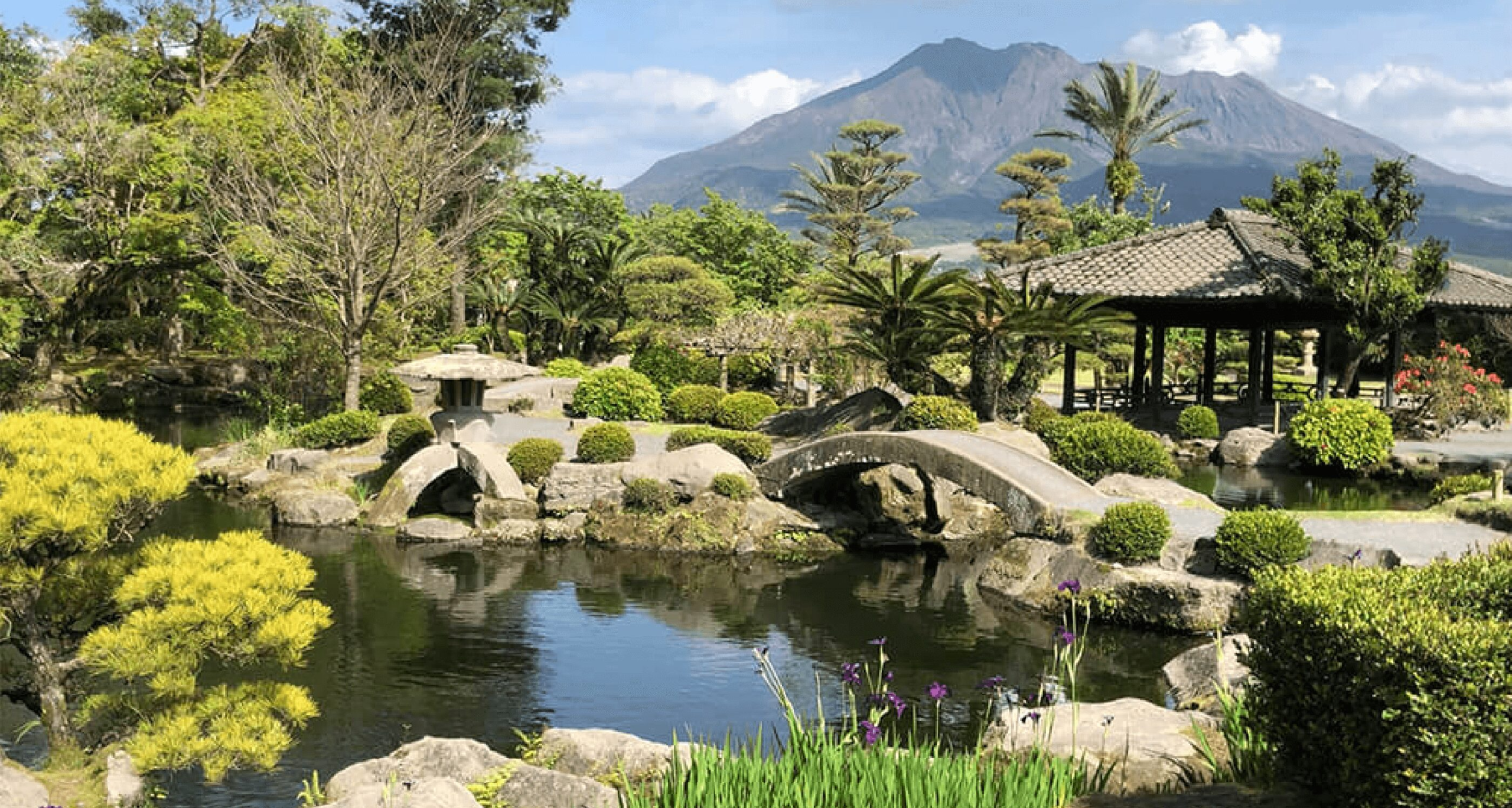
The day starts with a private tour of Kagoshima, walking and by public transport. The morning includes visits to Shiroyama Park/Observatory and Sengan-en Garden. In the afternoon, I’ll visit Shimadzu Satsuma Kiriko Glassworks.
Friday, November 20
Kagoshima and Sakurajima
Today is free for exploration on my own.
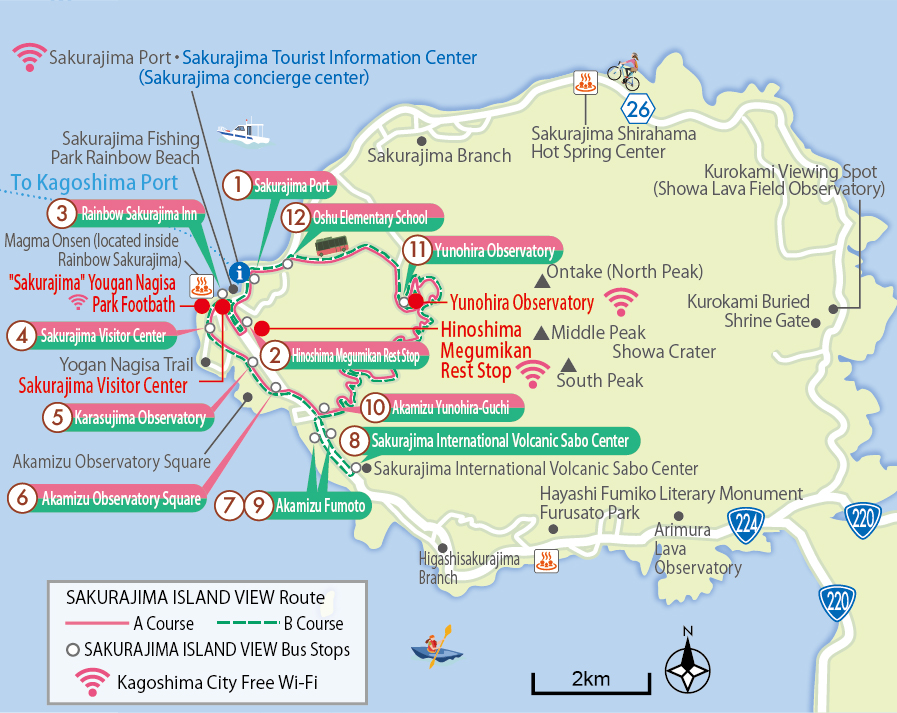
My plan is to take a fifteen-minute ferry ride from Kagoshima to Sakurajima and do the Island View bus route. This is a hop-on-hop-off bus, and I’ll probably hike sections of the route depending on weather.
Saturday, November 21
Train to Kumamoto
Today I’ll travel by train from Kagoshima to Kumamoto. It’s just about a 45-minute ride. Once I arrive, the rest of the day is free.
The Blossom Kumamoto
2 nights
Sunday, November 22
Kumamoto
I’m completely on my own today. I’ve put together an itinerary with the help of Google Gemini. I might do some of this on Saturday, depending on how early I arrive.
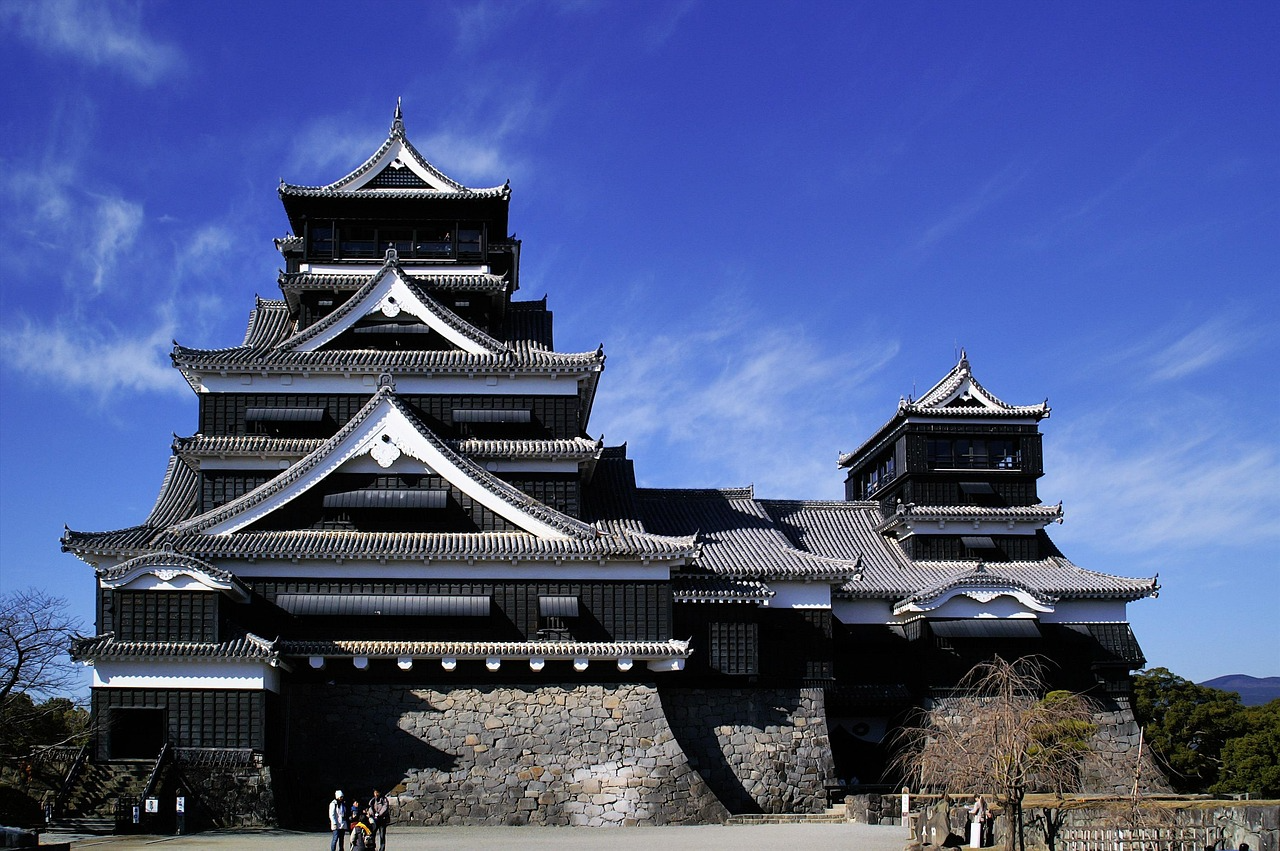
- Kumamoto Castle
- Sakura-no-baba Josaien: shopping arcade and lunch
- Contemporary Art Museum Kumamoto
- Suizenji Jojuen Garden
Monday, November 23
Aso and Takachiho
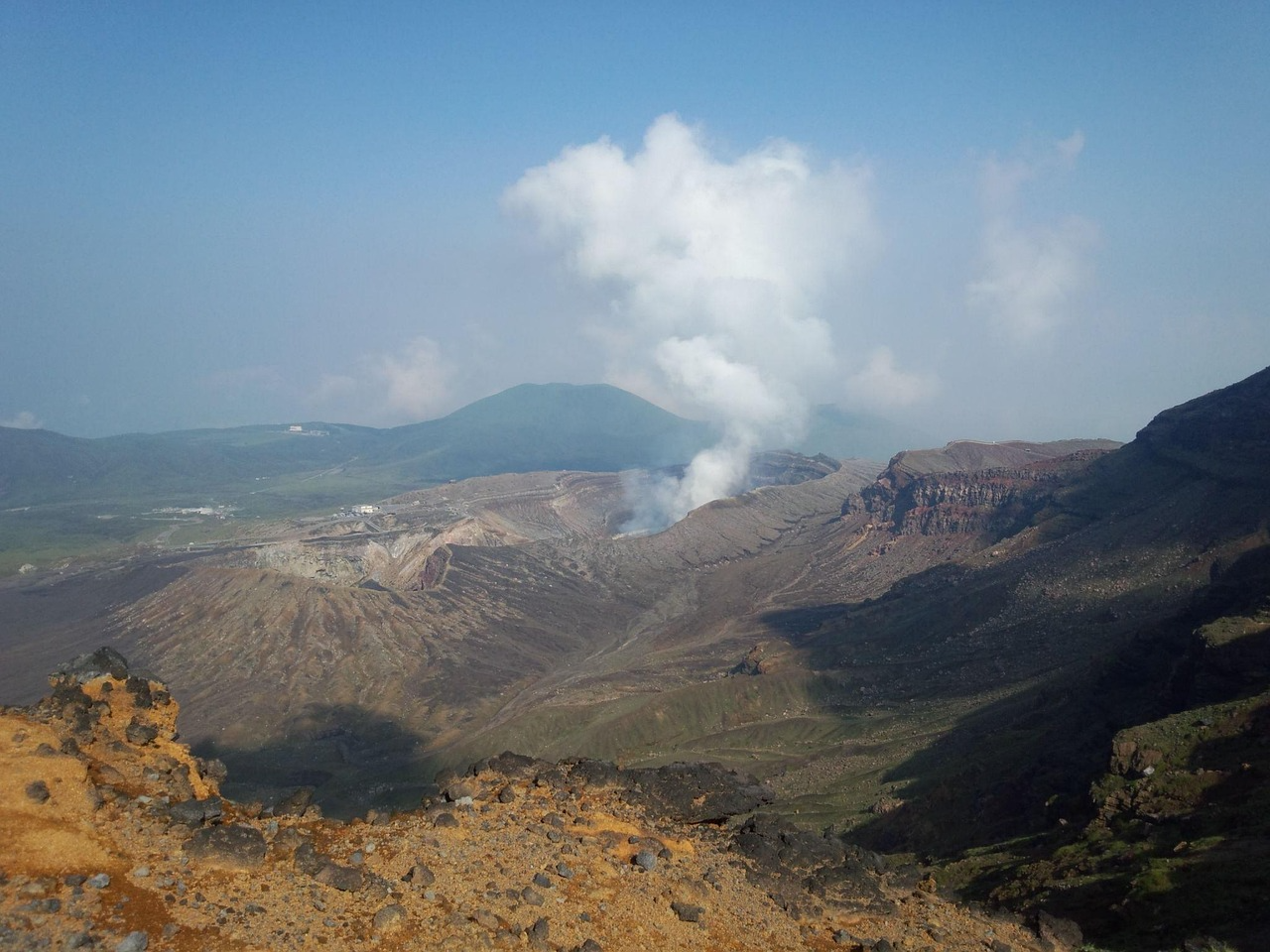
This morning a driver will pick me up from my Kumamoto hotel and drive me to Mount Aso, where I’ll visit Nakadake Crater, Kusasenri, and Aso Volcano Museum.
From there we’ll continue to Takachiho.
Solest Takachiho Hotel
1 nights
Tuesday, November 24
Takachiho and Yufuin
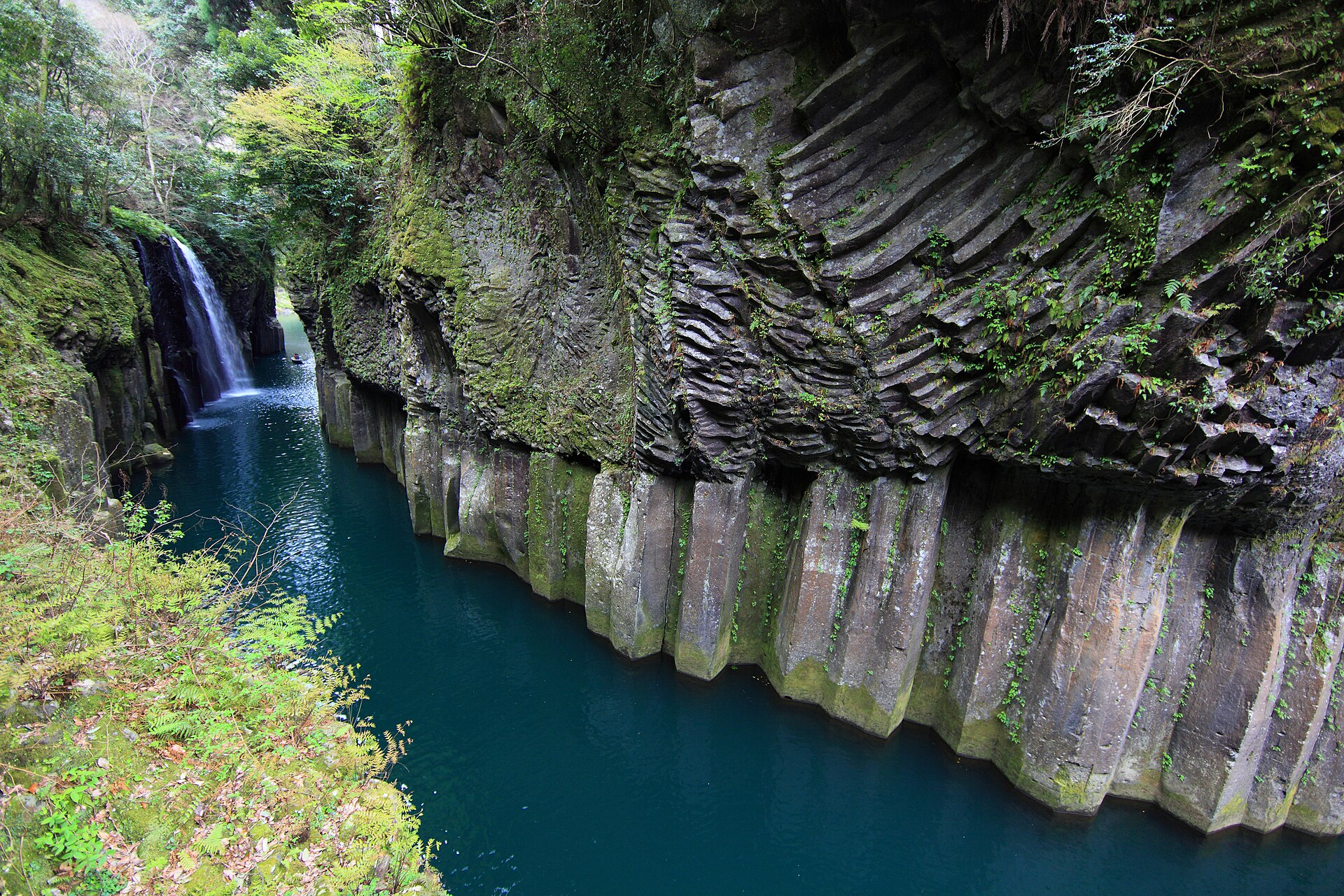
My driver will pick me up for a visit to Takachiho Gorge and Takachiho Shrine. From there, we’ll continue to Yufuin, where I’ll enjoy an onsen experience at my ryokan as well as a kaiseki dinner.
Yufuin Bettei Itsuki
1 nights
Wednesday, November 25
Yufuin and Beppu
My driver will pick me up this morning, and I’ll visit Lake Kinrinko, Yufuin Floral Village, and Yufuin Stained Glass Museum. Then, after lunch, I’ll go to Yunotsubo Kaido Shopping Street. Finally, we’ll drive to Beppu to eat dinner at the Steam Cooking Center.
After that, my driver will bring me to my hotel, and that’ll be the last I’ll see of them.
Beppu Hatto Onyado Nono
2 nights
Thursday, November 26
Beppu
Today is a free day to explore Beppu on my own. Once again, Google Gemini has come up with a great itinerary:
- Kannawa Geothermal Hells
- Beppu Ropeway cable car up Mount Tsurumi
- Historic sand bath at Takegawara Onsen
- Beppu Tower observation deck to watch the city lights turn on
My hotel has private natural hot spring baths and complimentary late-night Yonaki Soba ramen. And maybe some sake?
Friday, November 27
Train to Nagasaki
Today I travel by train from Beppu to Nagasaki. This actually involves three trains: Beppu to Fukuoka, then Fukuoka to Takeo-Onsen Station, where I transfer to the train to Nagasaki. It should take me about five hours.
Hotel New Nagasaki
3 nights
Saturday, November 28
Nagasaki
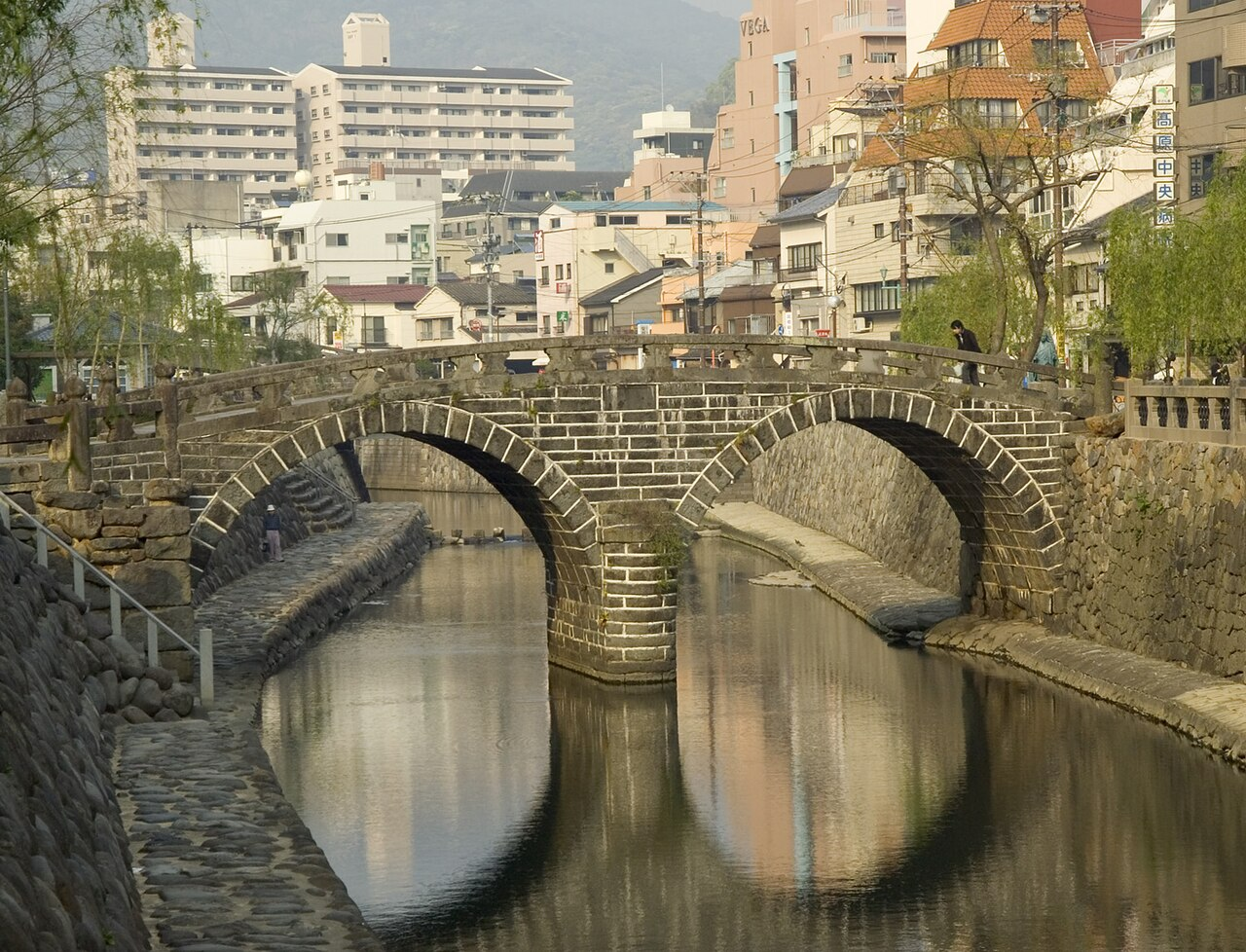
Today I’ll have a free day to explore Nagasaki on my own. Here’s my plan (again thanks to Google Gemini):
- Meganebashi Bridge
- Teramachi Street and Sofuku-ji Temple
- Nagasaki Prefectural Art Museum
- Dejima Island and Dejima Wharf
Sunday, November 29
Nagasaki
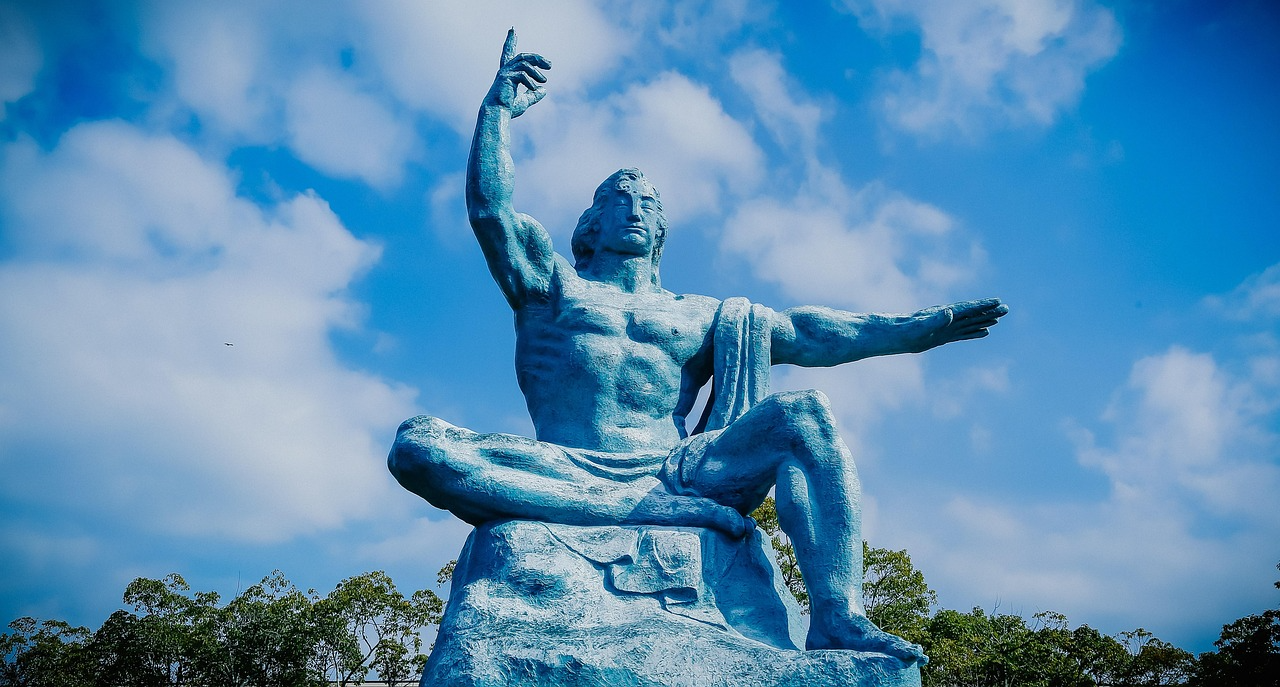
After a free morning, I’ll join a group tour in the afternoon to visit Confucius Shrine, Glover Garden, and Nagasaki Peace Park.
Monday, November 30
Train to Fukuoka
I’ll take the train back to Fukuoka this morning. It should take about an hour and a half. Once I arrive and make my way to my hotel, I’ll have the rest of the day free.
Solaria Nishitetsu Hotel Fukuoka
3 nights
Tuesday, December 1
Fukuoka
Free day to explore Fukuoka on my own. One more time, let’s hear it for Gemini!
- ACROS Fukuoka Step Garden
- Fukuoka Castle Ruins
- Suenaga Folk Art
- Takatori Yaki Miraku Kiln
- Nishijin Shotengai Arcade
Wednesday, December 2
Fukuoka
I’ll have the morning free. Maybe I’ll use it to visit Tochoji Temple and Kushida Shrine. Or maybe I’ll take the morning off to relax.
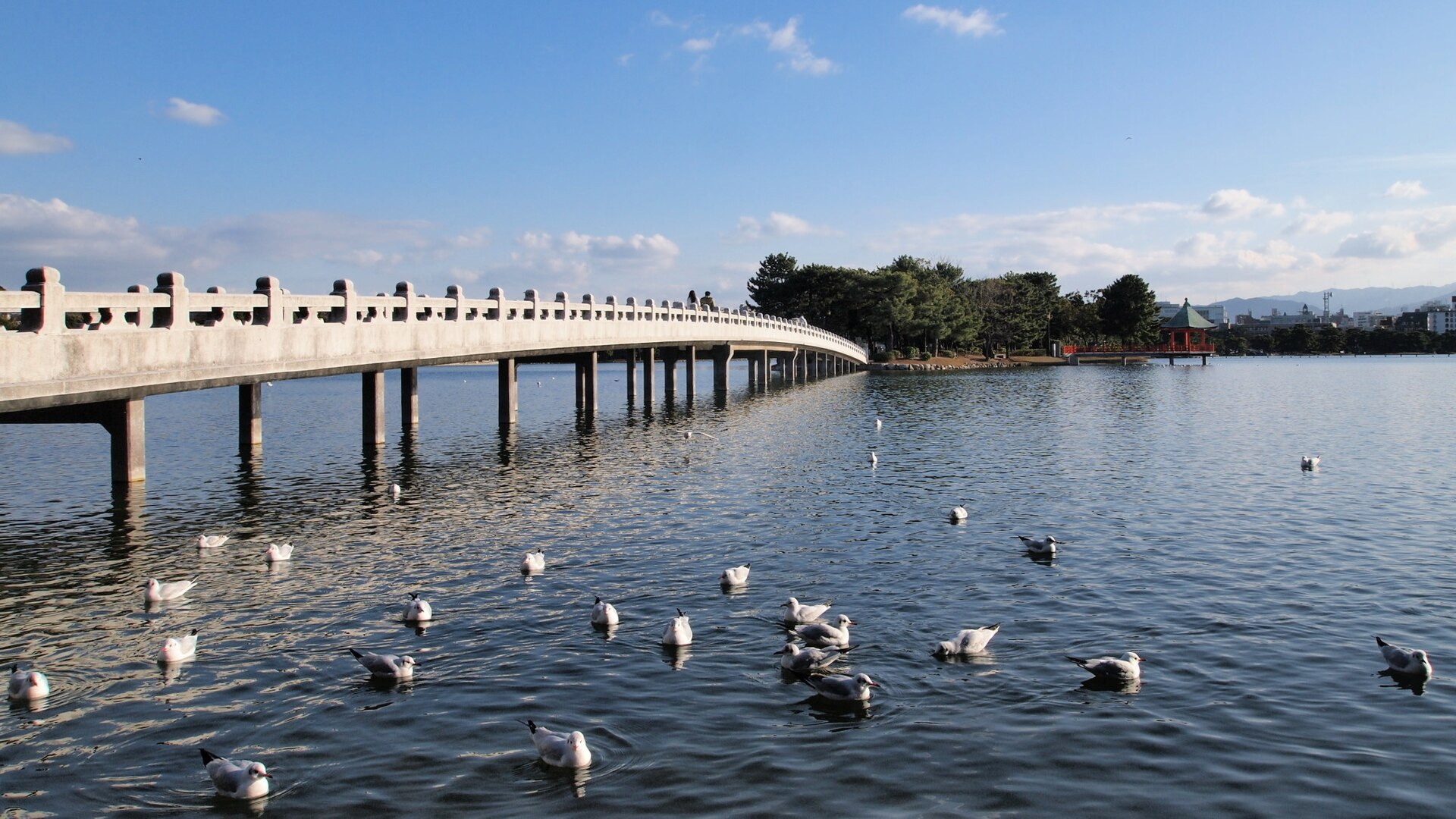
Then in the afternoon I’ll join a group tour of Fukuoka. We’ll visit Ohori Park and Fukuoka Art Museum. We’ll also participate in a Nihonga Japanese Painting Experience, creating a Japanese painting in a special atelier under the full guidance of a professional Japanese artist. After that we’ll visit Hakata Machiya Furusatokan (folk museum).
Thursday, December 3
Begin the journey home
I’ll get a transfer to Fukuoka Airport for my flight to Manila and onward to Los Angeles.

Fly to Manila
Philippine Airlines PR425
Depart FUK 15:30, arrive MNL 18:25
Fly to Los Angeles
Philippine Airlines PR102
Depart MNL 22:15, arrive LAX 19:10
Hyatt Regency LAX
1 night
Friday, December 4

Fly to Guadalajara
Aeromexico AM785
Depart LAX 09:55, arrive GDL 15:16
Weather and packing
I’m a light packer. I almost always travel with carry-on only, whether I’m going for a week, or a month, or several months.
But this trip has complications, namely with regard to weather. It is likely to be very cold in some locations and pleasantly warm in others. In Mongolia and in Tibet, nighttime temps will probably drop below freezing. In some areas, daytime temps will be in the 40s and 50s, and in others, 60s and 70s.
It’s hard to pack for all these kinds of weather. So I am considering the possibility that I may need to bring a larger, checked bag.
An added complication is the need for two pairs of shoes. I prefer to only travel with one pair, but this trip will involve some hiking and also lots of city walking, including visits to temples where I will need to remove my shoes. I really prefer to have shoes I can slip on and off. And on airplanes, I really prefer my slip-ons. So packing my hiking shoes is a challenge.
I’ll decide at the last minute, after I’ve gathered everything I want to take with me. I’m hopeful but not very optimistic.
My Itinerary (TL;DR)
| Dates | Location | Lodging |
|---|---|---|
| 9/22 | Fly Guadalajara to Mexico City | Camino Real Aeropuerto México |
| 9/23–9/24 | Fly Mexico City to Tokyo to Ulaanbaatar | On the plane |
| 9/24–9/26 | Ulaanbaatar, Mongolia | Best Western Premier Tuushin |
| 9/27–9/29 | Gobi Desert | Dream Gobi Camp |
| 9/30–10/3 | Ulaanbaatar | Best Western Premier Tuushin |
| 10/4–10‑8 | Seoul, South Korea | Pacific Hotel |
| 10/9–10/12 | Tokyo, Japan | Hotel Jal City Tokyo Toyosu |
| 10/13–10/14 | Toba, Japan | Hotel Todaya Toba |
| 10/15–10/17 | Kyoto, Japan | Shizutetsu Hotel Prezio Oike |
| 10/18–10/20 | Hiroshima, Japan | Oriental Hotel Hiroshima |
| 10/21–10/25 | Taipei, Republic of China (Taiwan) | Capital Hotel Songshan Taipei |
| 10/26–10/29 | Shanghai, China | Blossom House Hotel Shanghai |
| 10/30–11/2 | Guilin, China | Guilin Bravo Hotel |
| 11/3–11/5 | Chengdu, China | Holiday Inn Chengdu Oriental |
| 11/6–11/8 | Xi’an, China | Xi’an Bell Tower Tongpai Hotel |
| 11/9–11/12 | Beijing, China | Beijing International Hotel |
| 11/13–11/16 | Lhasa, China (Tibet) | Minshan Hotel Lhasa |
| 11/17 | Beijing | Beijing Guoce International |
| 11/18–11/20 | Kagoshima, Japan | Solaria Nishitetsu Hotel Kagoshima |
| 11/21–11/22 | Kumamoto, Japan | The Blossom Kumamoto |
| 11/23 | Aso and Takachiho, Japan | Solest Takachiho Hotel |
| 11/24 | Yufuin, Japan | Yufuin Bettei Itsuki |
| 11/25–11/26 | Beppu, Japan | Beppu Hatto Onyado Nono |
| 11/27–11/29 | Nagasaki, Japan | Hotel New Nagasaki |
| 11/30–12/2 | Fukuoka, Japan | Solaria Nishitetsu Hotel Fukuoka |
| 12/3 | Fly Fukuoka to Manila to Los Angeles | Hyatt Regency LAX |
| 12/4 | Fly LAX to GDL | Home in Ajijic |