
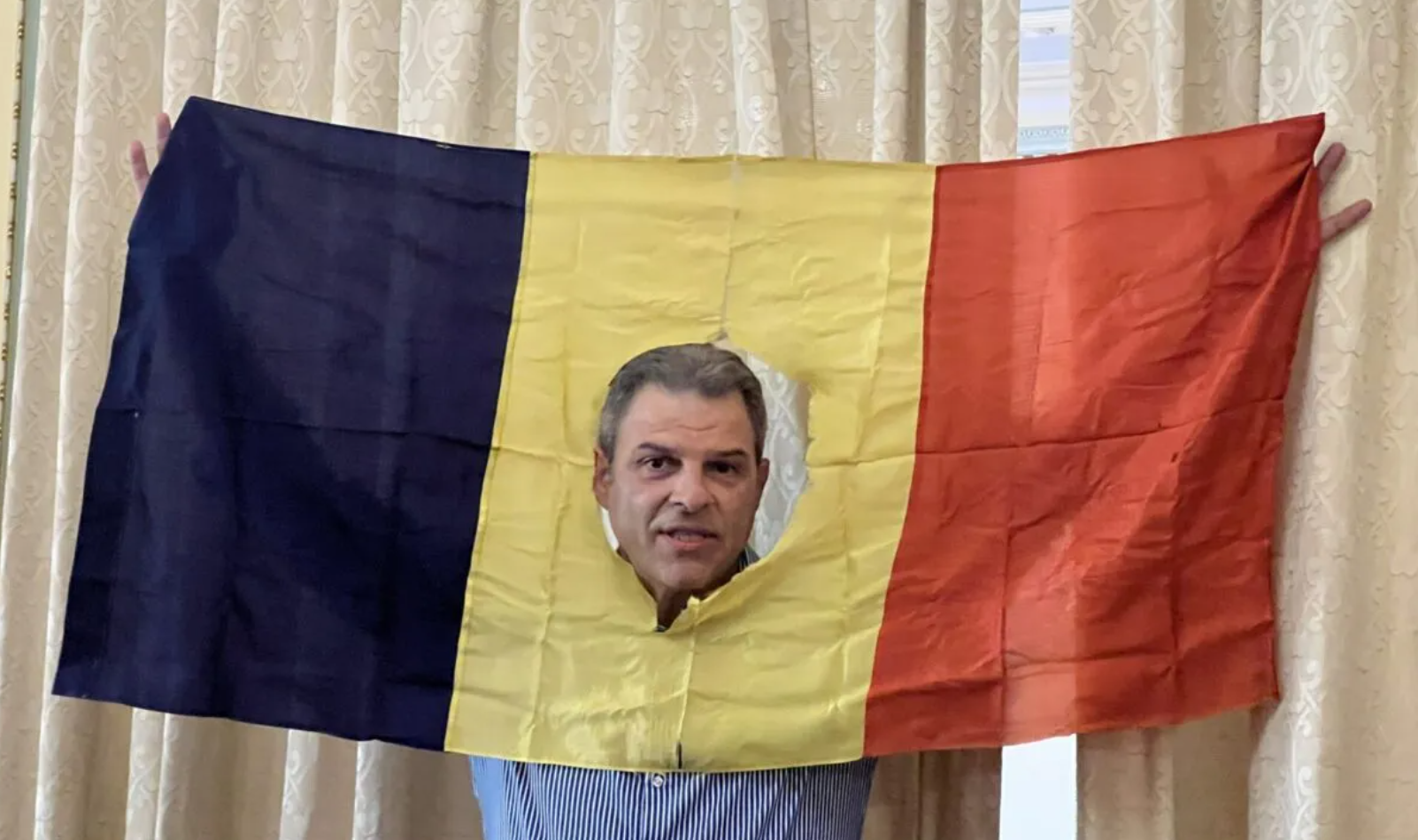
Egmont Pușcașu: A story of the Romanian Revolution
Egmont Pușcașu was fifteen years old in December 1989. Yesterday we met him and he shared his story.
Background
On December 16, an uprising in Timișoara, a city in western Romania, broke out. It started as a protest against the ousting of a local pastor of the Hungarian Reformed Church, but it grew, and the original cause became irrelevant to the angry residents, hungry and angry about austerity measures imposed by the government of Nicolae Ceaușescu. The government sent the army to quell the disturbance, but it continued to escalate.
On December 21, Ceaușescu assembled a crowd in what was then called Palace Square and is now called Revolution Square in Bucharest. Local people only learned of the events in Timișoara from Voice of America or Radio Free Europe, as there was no coverage on official media channels. A crowd of 100,000 gathered. Ceaușescu spoke from the balcony of the Central Committee building to condemn the violence in Timișoara, blaming it on imperialists who were trying to destroy Romania’s sovereignty. (This was more than a month after the fall of the Berlin Wall. Hungary, Poland, and Bulgaria had already dismantled their Communist regimes.)
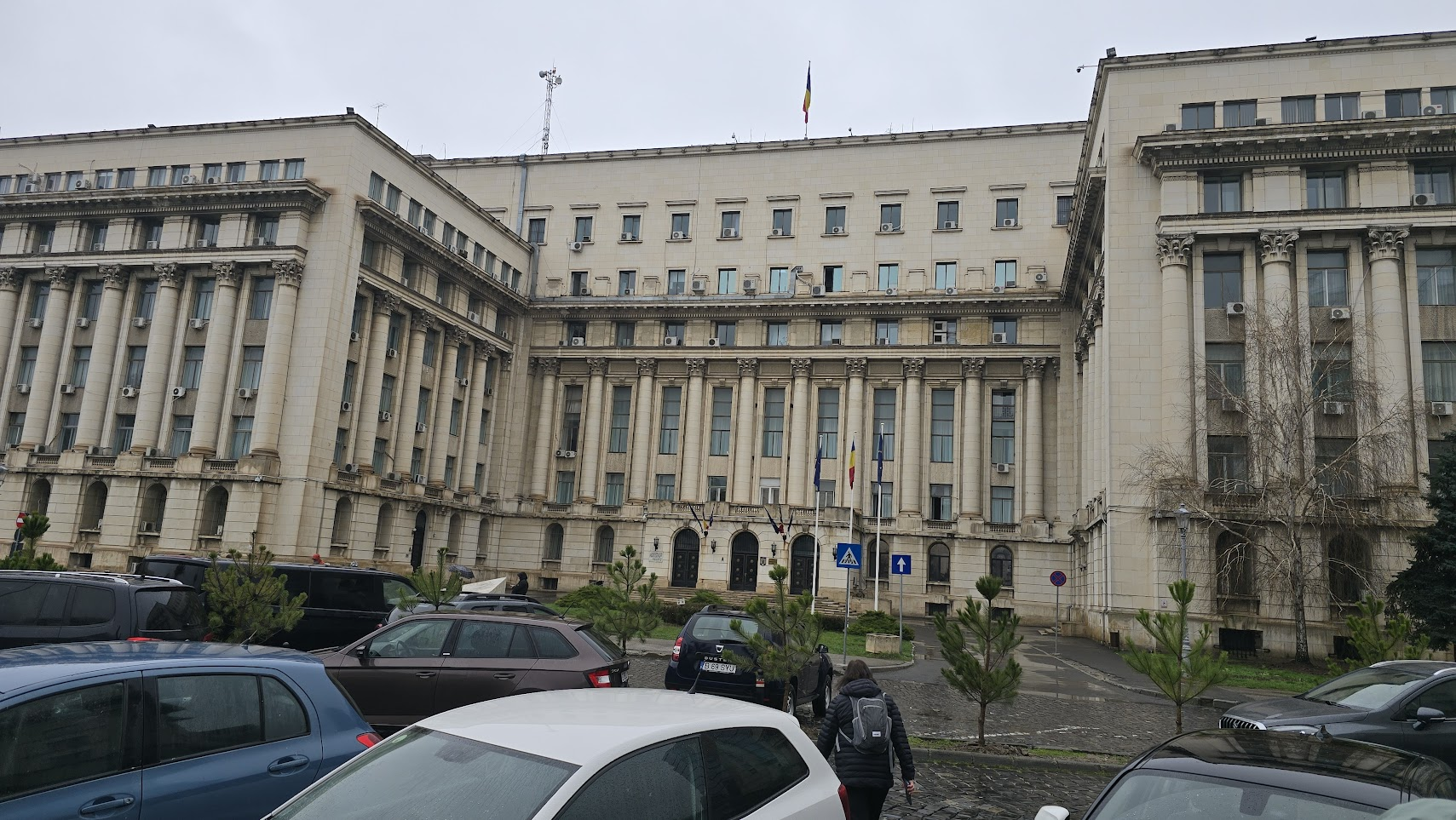
Before Ceaușescu got very far into his speech, there was a disturbance in the crowd: screams and shouts led to widespread confusion. Ceaușescu seemed unaware of what was happening and tried to continue. But the turmoil turned to violence as tanks rolled through the city.
Ceaușescu and his wife, Elena, fled by helicopter on December 22, but they were forced to land in the countryside near Târgoviște, about 80 km from Bucharest, and tried to flee in cars driven by local residents. By 3:30 that afternoon they were arrested by Târgoviște police. On December 25, at the end of a trial that lasted two hours, they were convicted of genocide and other high crimes, and they were immediately executed by three paratroopers with their service rifles.
Once Nicolae and Elena had fled, the young men and women in the army quickly switched sides and supported the revolutionaries. The Communist government dissolved, and by December 27 the violence ended.
Romania’s first free elections took place on May 20, 1990.
Egmont
We met Egmont in our hotel (the plan was to meet him in Revolution Square, but because of the rain, we relocated our talk). He shared his story with us.
Egmont Pușcașu was a strong anti-Communist from a young age. His grandfather had spent three years in a prison camp, so he had reason to hate the Communists.
On the morning of December 21, 1989, he decided to go and be part of history. His parents tried to stop him. So he took some milk bottles and told them he was going to get milk.
The uprising started out disorganized, but he helped pull a group together to storm the Central Committee headquarters. He described for us the feeling when they stood on that balcony as the moment of victory.
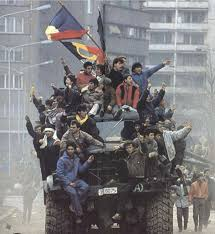
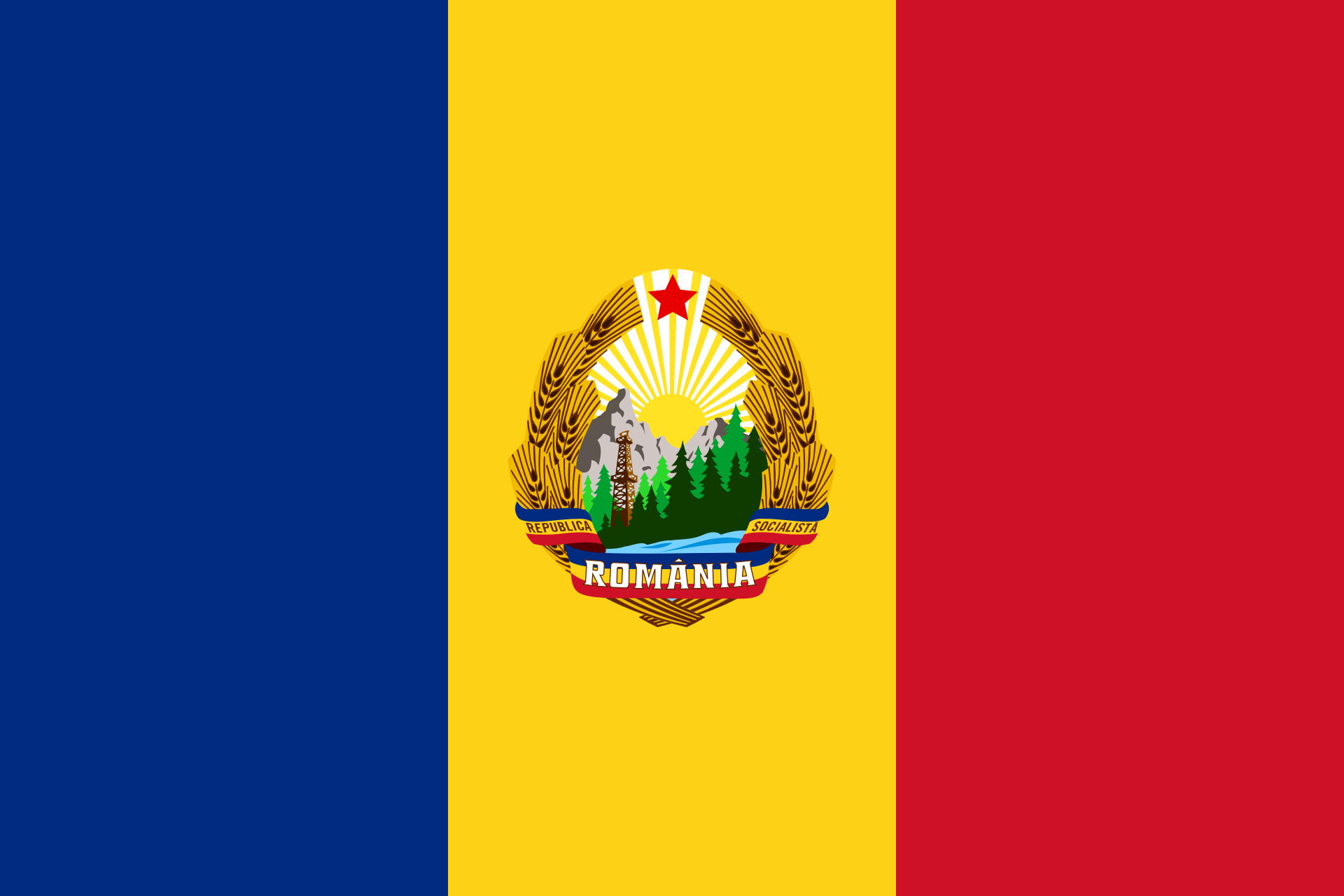
Egmont had a wound on his arm. His best friend, standing right beside him, took an incendiary bullet to his face, his brains exploding onto Egmont’s jacket. When he returned home a few days later, he tried to hide his wound as his father looked him over. Egmont told us for a long time he couldn’t face his friend’s parents, guilt-ridden that he survived.
Lessons learned
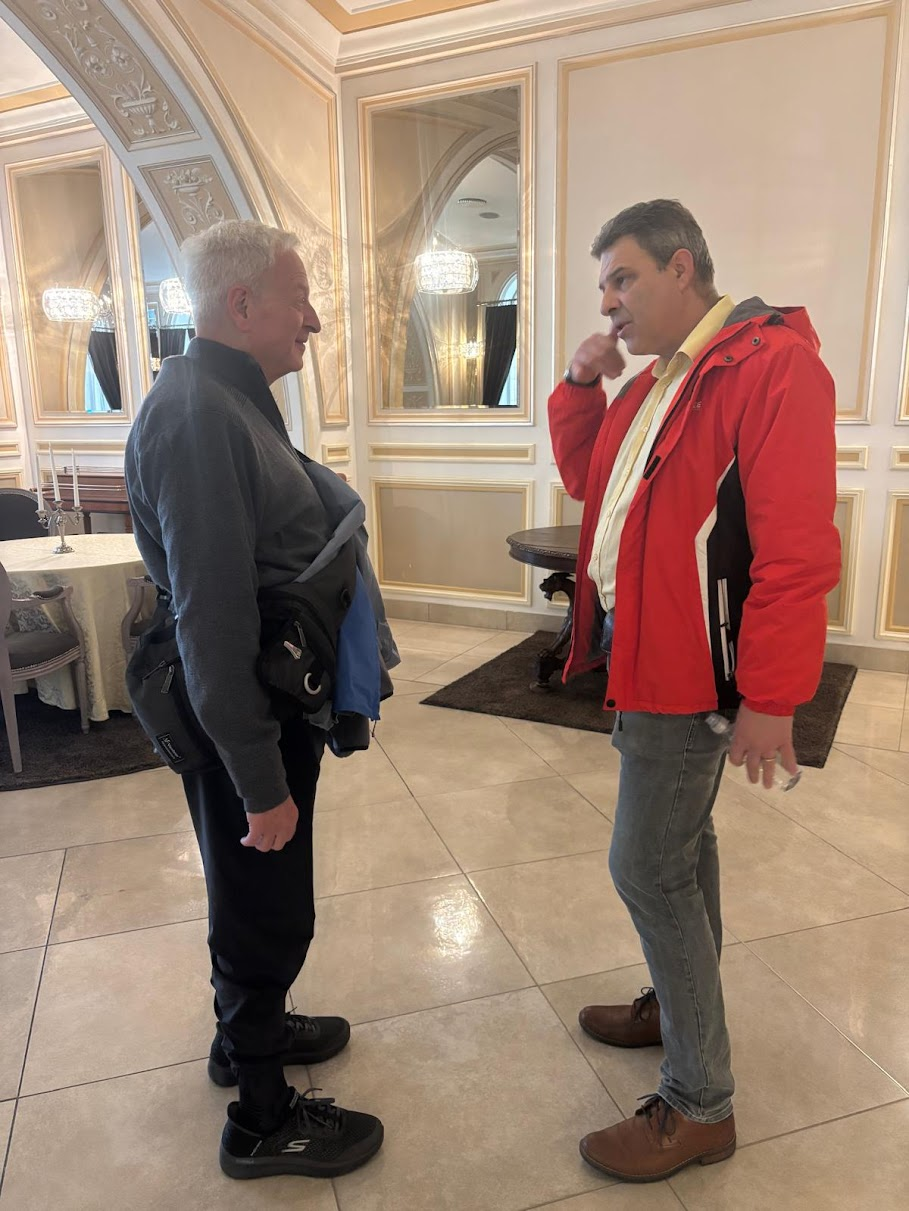
At the end of the talk I asked Egmont how a fifteen-year-old boy decides to risk his life for freedom and democracy. He talked about how kids today spend too much time on their devices and engage with important issues. The people of Romania, in 1989, were desperate enough to lay their lives on the line. Sometimes that is necessary.
The fact that we had our visit with Egmont on March 28, 2026, when No Kings protests were taking place in the United States, struck me as ironic. What will it take for US citizens to restore democracy? Do our young people have the courage and the strength of will to do what is necessary?
Hey Lane, Liz and I were on a GCT cruise last May from the North Sea to the Black Sea and met Egmont and heard his fascinating story. Interesting your comment about the No Kings protest as I was thinking exactly the same thing while reading your post.
As always I am enjoying your commentary. Liz and I are currently on the Iberian OAT trip heading to Madrid today. Safe travels, Su B
Met Egmont in Bucharest, listened to his story and realized many parallels are happening in the US. So frightening to see the direction our youth are taking in the direction of socialism/communism when so ignorant as to what they both are. Hopefully there are still some of our youth who will stand up and risk it all for liberty just like Mr Puscasu did years ago.
I find it strange you mention the No Kings Rally, but leave out what Egmont said about young people being wrongly seduced by socialism today. I just heard him speak this 4th of July. It was very inspiring to say the least.
Comparing our current political issues to the Romanian Revolution is very disingenuous at the very least. I think he would find your comparison laughable.
I have no doubt this comment will probably never see the light of day.
Thanks for reading and for sharing your thoughts.
When I heard Egmont’s story, he didn’t say anything about young people being wrongly seduced by socialism. I assure you that if he had, I would not have left it out.
As for the comparison between the Romanian Revolution and the currently political situation in the USA, I think you misread. I was only comparing the courage of young people then and today.
Again, thanks for your comment.