
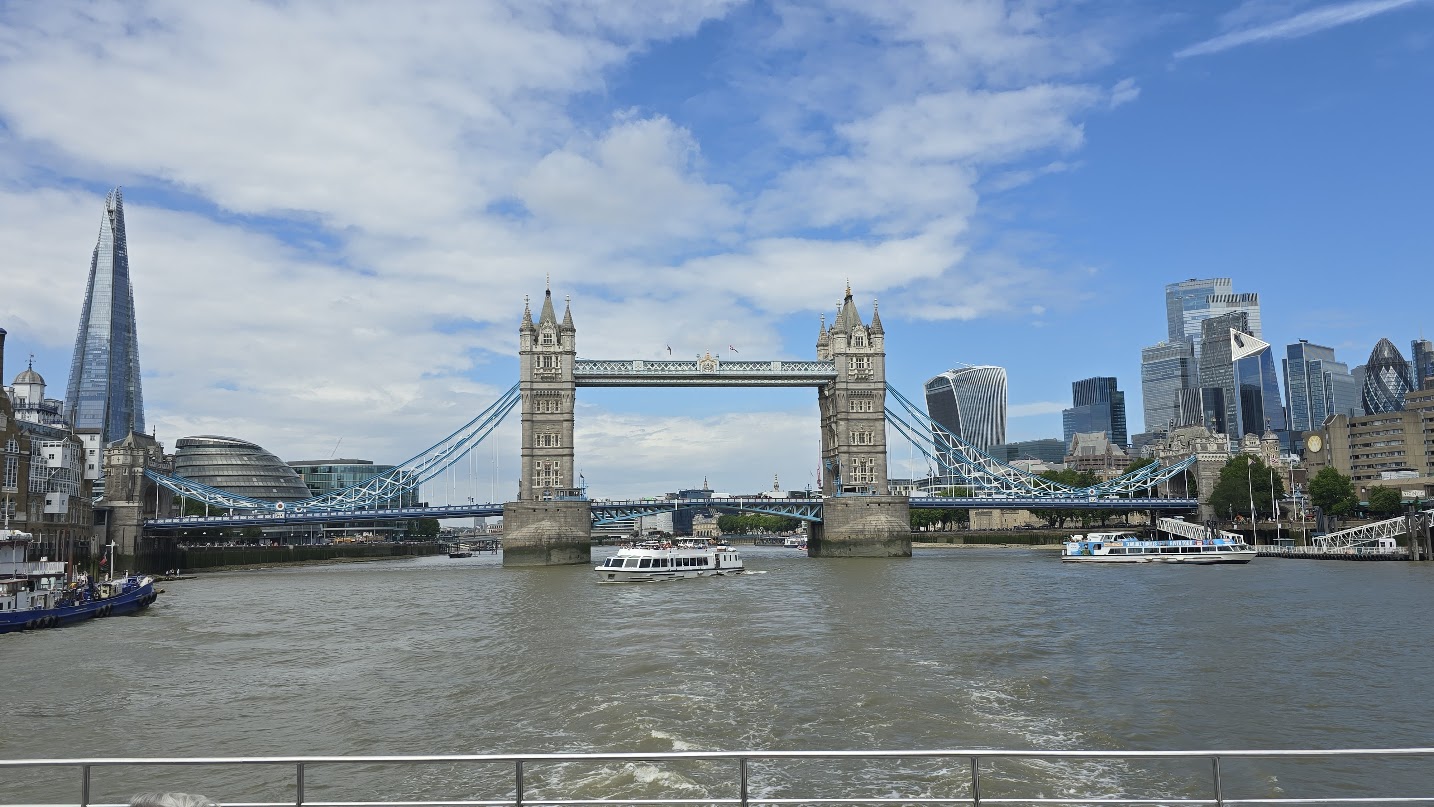
I started with such good intentions a week ago. My plan was to blog every evening about the things I did each day in London.
I made it through the first two days, and then, utter failure.
Here’s what I did wrong: I tried to organize all my photos so I could share them with each post. I have come to understand that that is a losing strategy. So my photos will have to wait until later. Maybe even until I get home.
For now, here’s just a quick rundown of my time in London, written as I sit in Heathrow Airport waiting for my flight to Amsterdam and then on to Bergen. And I’m including ratings of each activity.
Arrival Day
I already wrote about my trip from Mexico to London and my first day, so I’ll just add my ratings.
Walk in St. James’s Park
A lovely park and a perfect way to spend a pleasant arrival evening. A
Day One
I already wrote about this day, too, before I fell behind on my posts.
Breakfast at the Premier Inn
C+
Changing of the Guard Tour
The tour and the guide were very enjoyable. A-
The actual changing of the guard was fine, but I don’t really understand why massive crowds gather to watch it. It’s really not that interesting. B-
National Gallery
This has taken its place among the best art museums I’ve ever been to. The collection is extraordinary, and the building itself is gorgeous inside and out. A+
Dinner at Jeux Jeux

Jeux Jeux is an okonomiyaki restaurant just a few steps from my hotel. The food looks so much better than it tasted. C-
Most of the days I was in London I only ate two meals, either breakfast and dinner or lunch and dinner.
Day Two
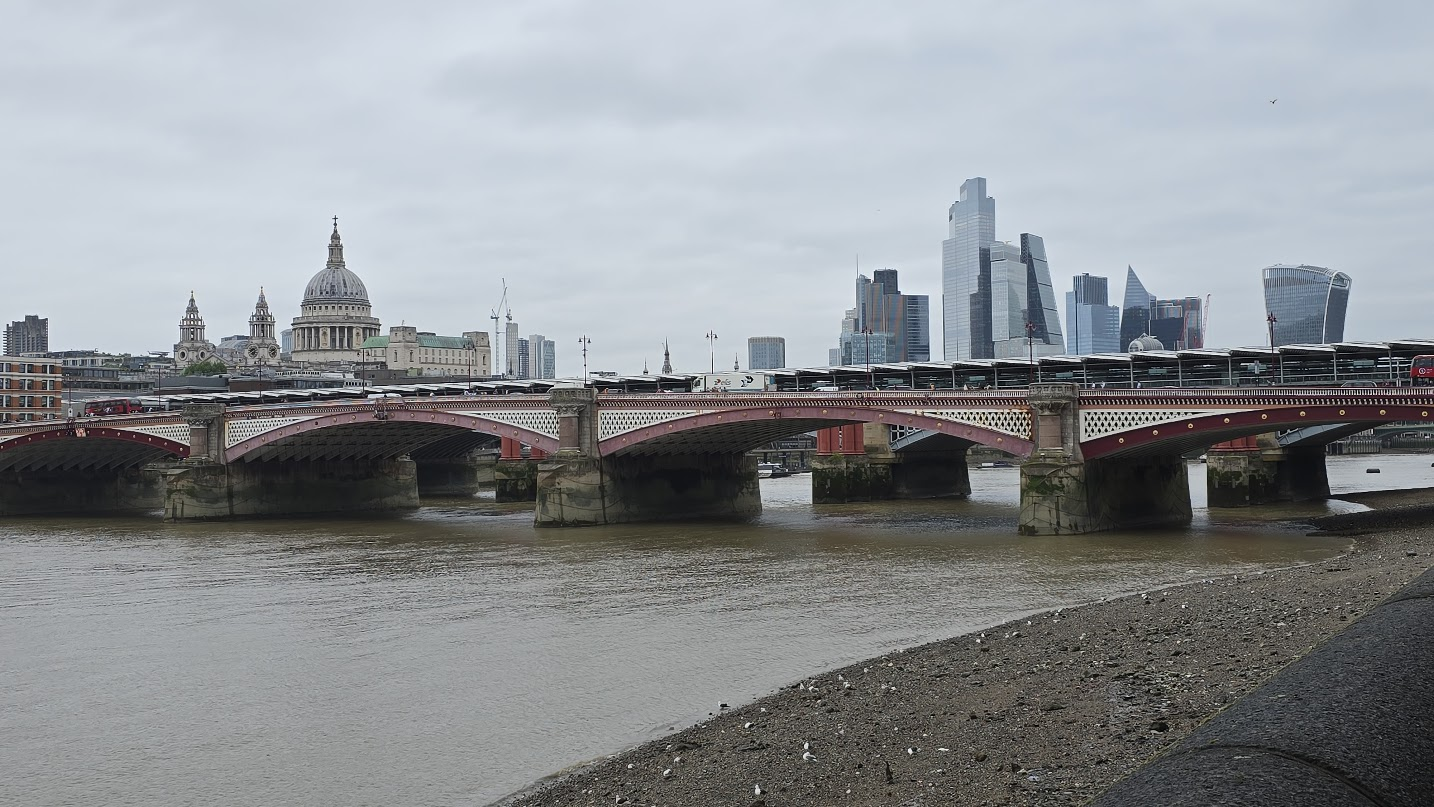
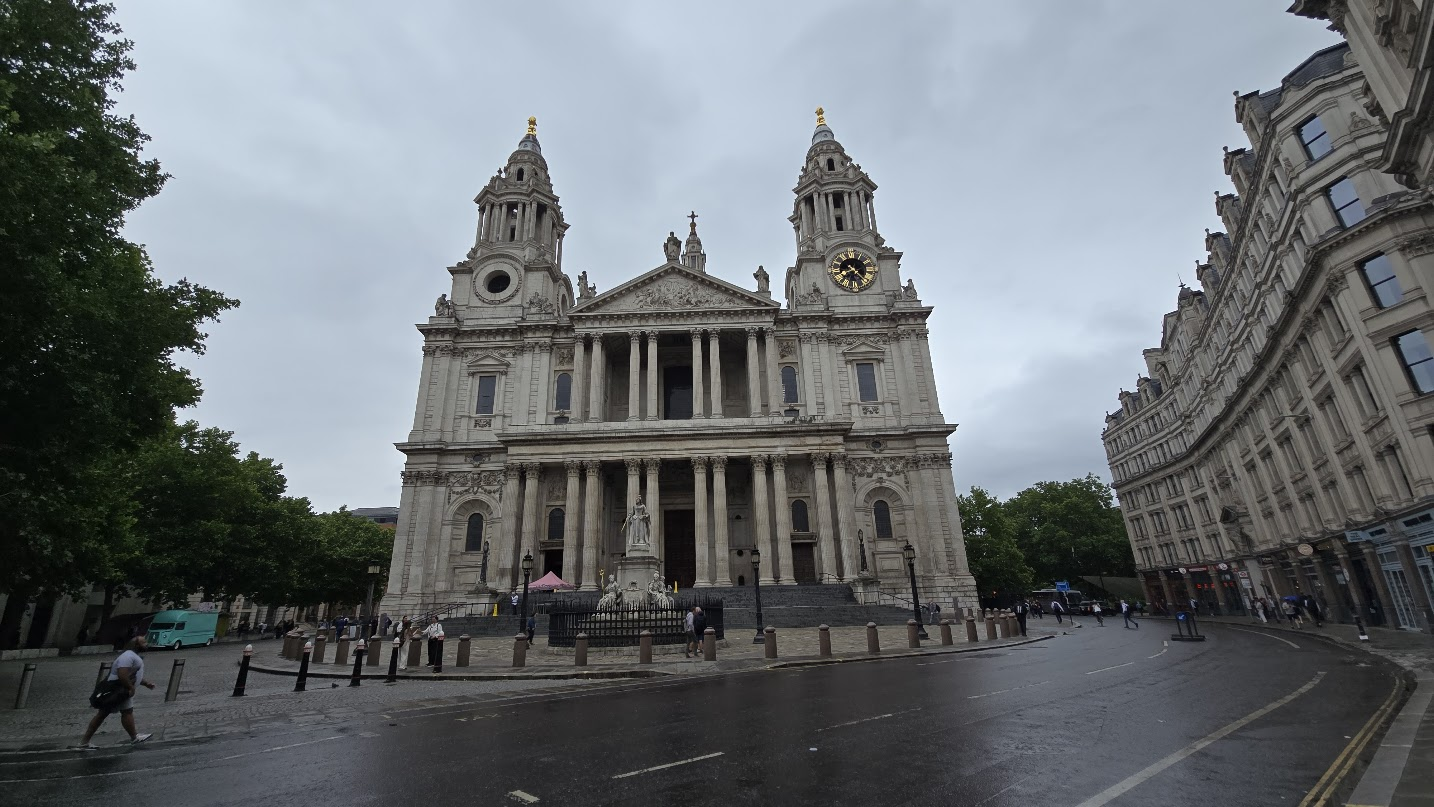
St. Paul’s Cathedral
I walked to St. Paul’s and was among the first to enter when it opened. Rick Steves claims that this is the fourth largest church in Europe, but my independent research shows it doesn’t even make the top 15.
That doesn’t matter, of course. It’s big and impressive, even moreso from the outside, though you can’t see the dome from up close, and you can’t see the facade from a distance.
Christopher Wren (1632–1723) won the commission to rebuild this church after the Great London Fire of 1666 destroyed the previous church on this site. The style is English Baroque, but to me it feels much more restrained than many other Baroque churches I’ve visited.
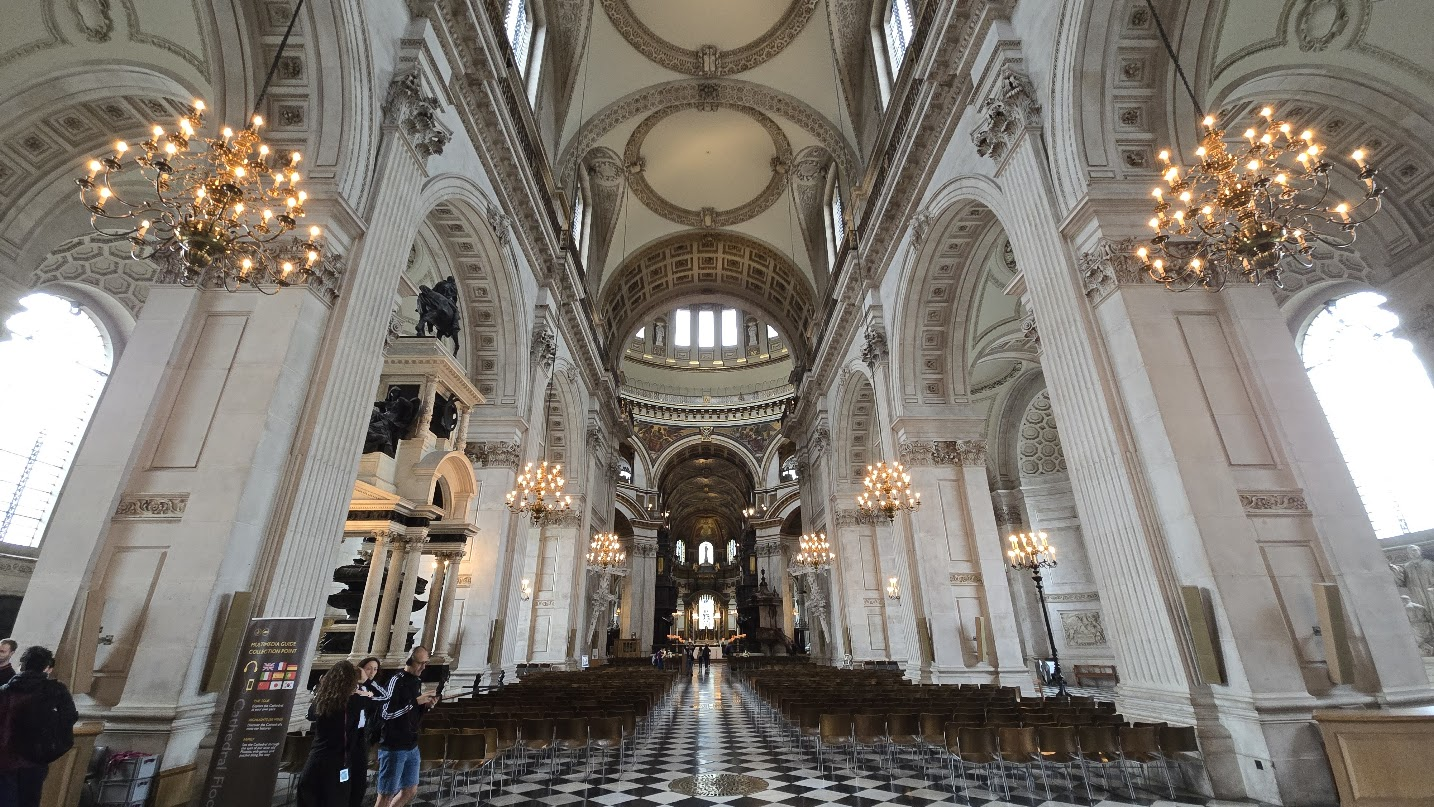
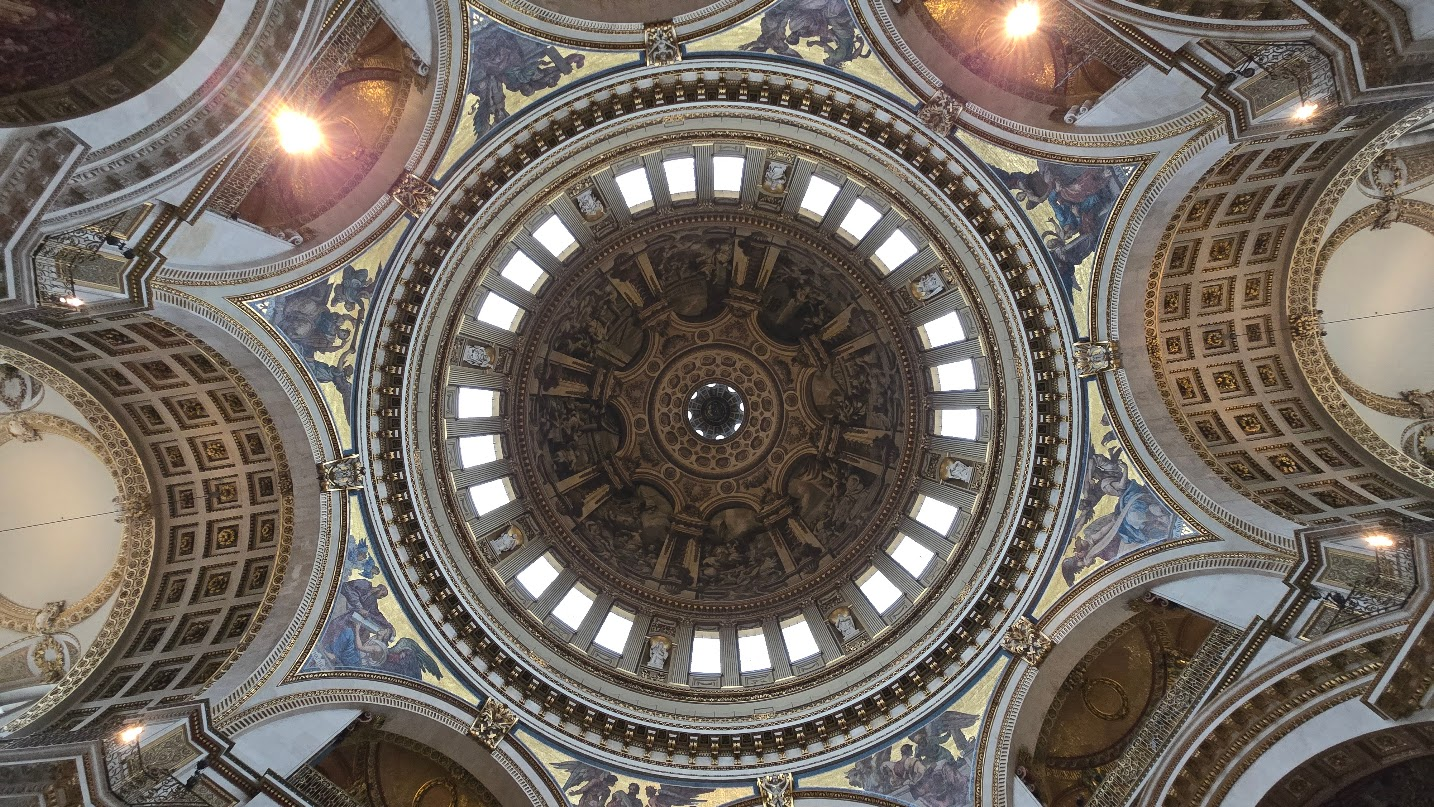
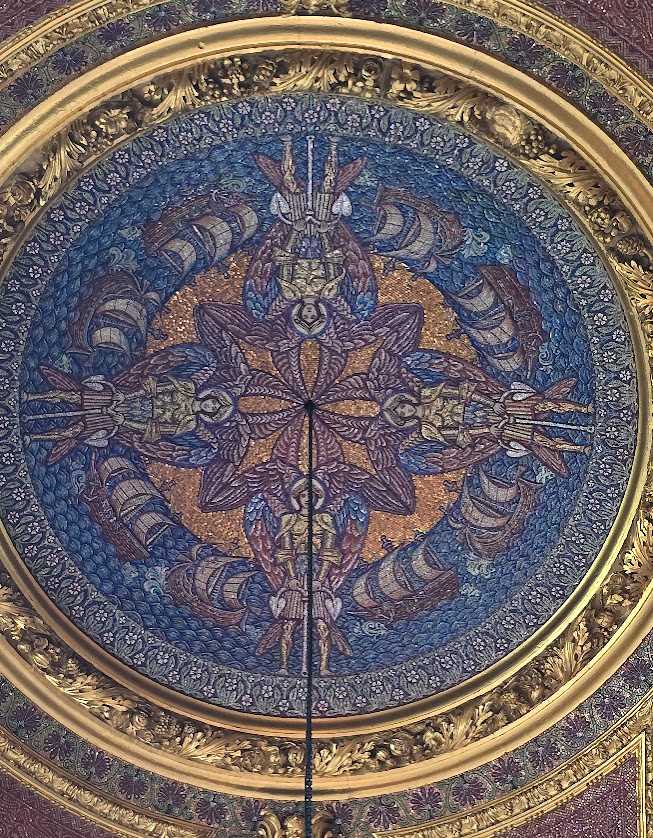
There are some more baroque (less restrained) sculptures in honor of past military heroes, and in the crypt are the grand tombs of Horatio Nelson and the Duke of Wellington, of poets and composers and scientists, and the extremely modest tomb of the architect, Christopher Wren.

I climbed the dome for some nice views of the London skyline.
It’s a lovely church overall, but I only give it an A- because
- For me, though it is lovely, it isn’t magnificent. It didn’t make me weak in the knees.
- It honors St. Paul, whose preaching and writing, I believe, are largely responsible for much of the antisemitism in the world. That’s not the church’s fault, nor Wren’s. But still, as I walked through, I couldn’t help feeling a little bothered.
Courtauld Gallery
My original plan after visiting St Paul’s was to take a self-guided walking tour around that part of London. But it was getting warm, and I felt a little tired for a lot of walking. (The self-guided walking tour in Rick Steves’ guidebook takes three hours, and I just didn’t have that in me.)
Instead, I decided to visit a nearby art museum I’d heard is excellent. The Courtauld Gallery did not disappoint. Relatively small and completely manageable, it has on display some genuine masterworks. A
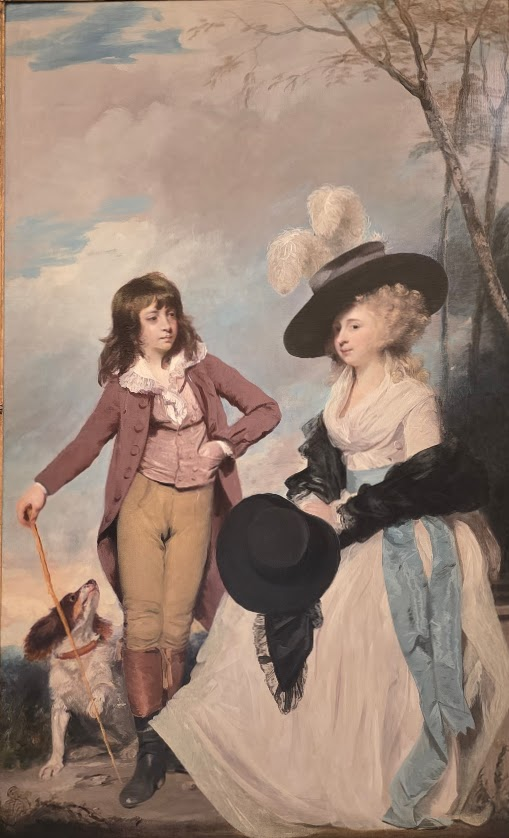
Portrait of Maria Marow Gideon and her brother, William
1786–87
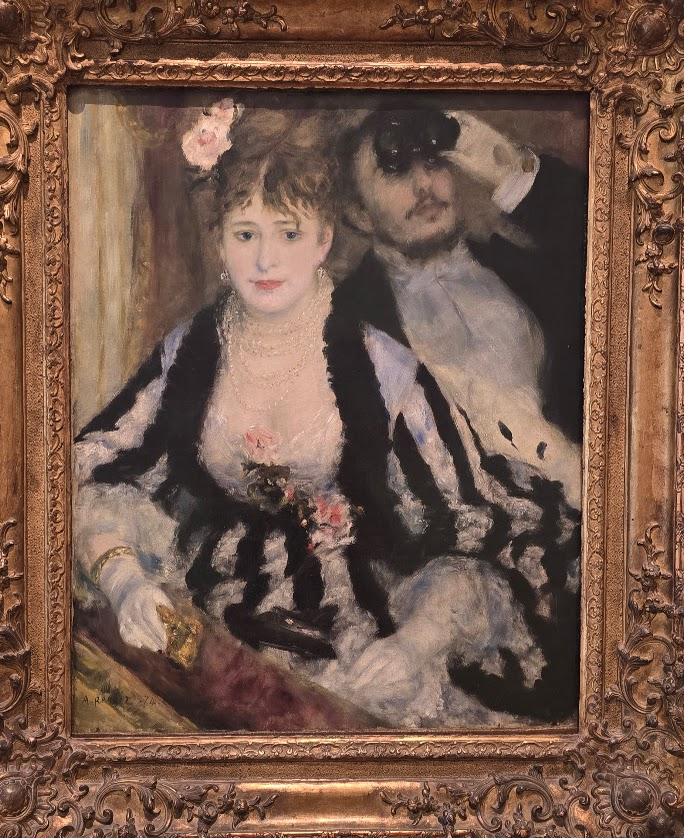
La Loge (The Theatre Box)
1874
Unveiled at the first Impressionist exhibition in 1874, this painting is considered one of the defining works of the period, combining fluid brushwork with a subject taken from contemporary life.

Lac d’Annecy (Lake Annecy)
1896
In 1896, Paul Cézanne went on holiday with his wife and son to the French Alps. This view of a mountain lake near the Swiss border was the only painting he made during the trip. He struggled with what he considered an overly charming setting, which contrasted with the rugged landscape of his native Provence. However, it resulted in one of his most daring paintings. Cézanne explored his surroundings in terms of form and colour. He turned the distant castle into a strict geometric shape and rendered the light and shadow on the mountain slopes with contrasting blocks of colour.
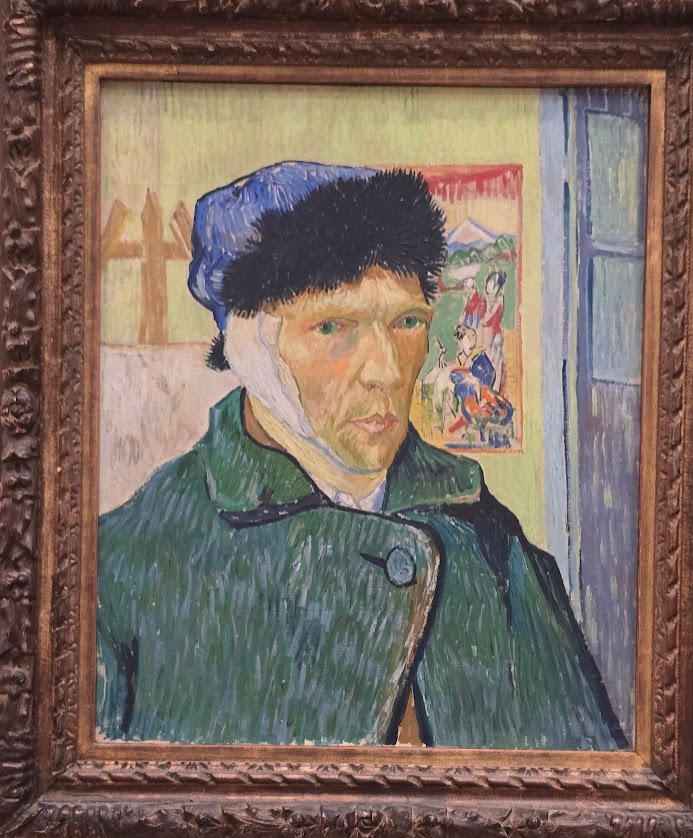
Self-Portrait with Bandaged Ear
1889
This famous self-portrait by Vincent van Gogh expresses his artistic power and personal struggles. He painted it in January 1889, a week after leaving hospital. He had received treatment there after cutting off most of his left ear (shown here as the bandaged right ear because he painted himself in a mirror). This self-mutilation was a desperate act committed a few weeks earlier, following a heated argument with his fellow painter Paul Gauguin.
Van Gogh’s fur cap secures his thick bandage and wards off the winter cold. Created in harsh conditions, this self-portrait demonstrates Van Gogh’s determination to continue painting, reinforced by the objects behind him: a canvas on an easel and a Japanese print, an important source of inspiration. Above all, it is Van Gogh’s brushwork and powerful handling of colour that declare his renewed ambition as a painter.
Tate Modern
There are two kinds of modern art: the kind I love and the kind I don’t get.
To be precise, Modern Art (capitalized) is work of the period from the late nineteenth century through the middle of the twentieth. It is a period in art history, like Medieval, Baroque, Classical, or Romantic. Modern Art encompassed many different styles, such as Impressionism, Cubism, Abstract Expressionism, and Surrealism. Contemporary Art, on the other hand, is the art of the present day. It tends to reflect current social and political issues, and it breaks the boundaries of what is commonly considered “art.” It may be conceptual or performance-based. Things like taping a banana to a wall with duct tape.
By those definitions, I love a lot of Modern Art. I don’t get a lot of Contemporary Art.
The Tate Modern has some of both. You can probably infer which sections I gravitated toward. A
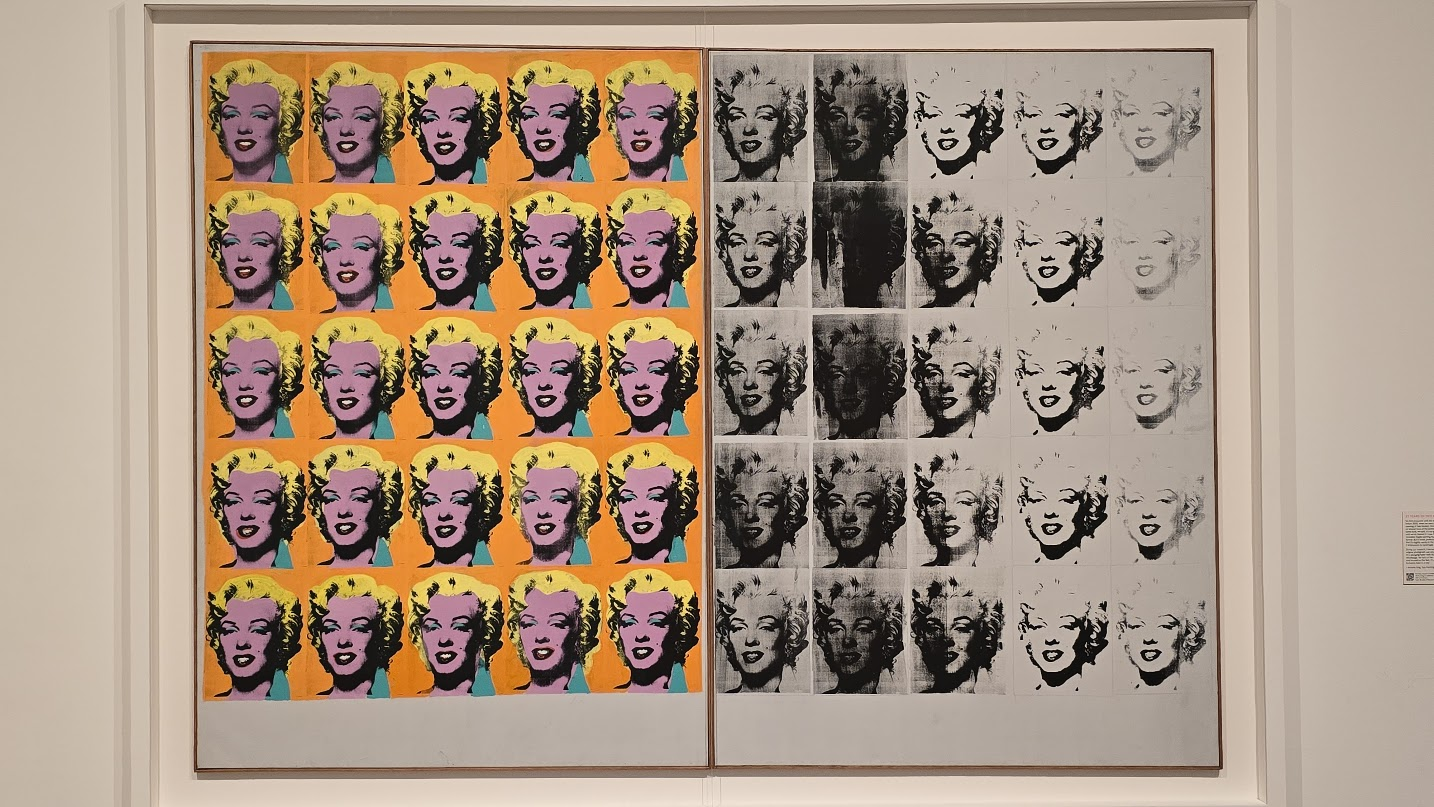
Marilyn Diptych (1967)
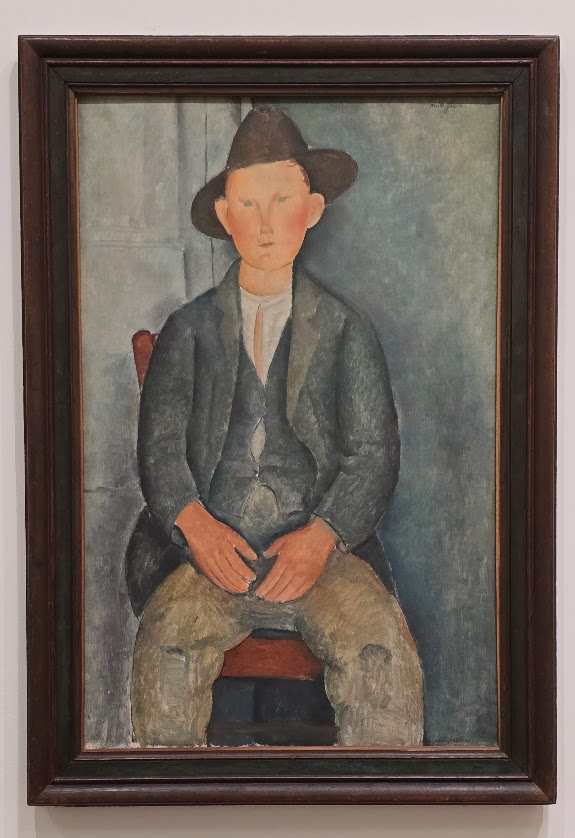
The Little Peasant (c.1918)
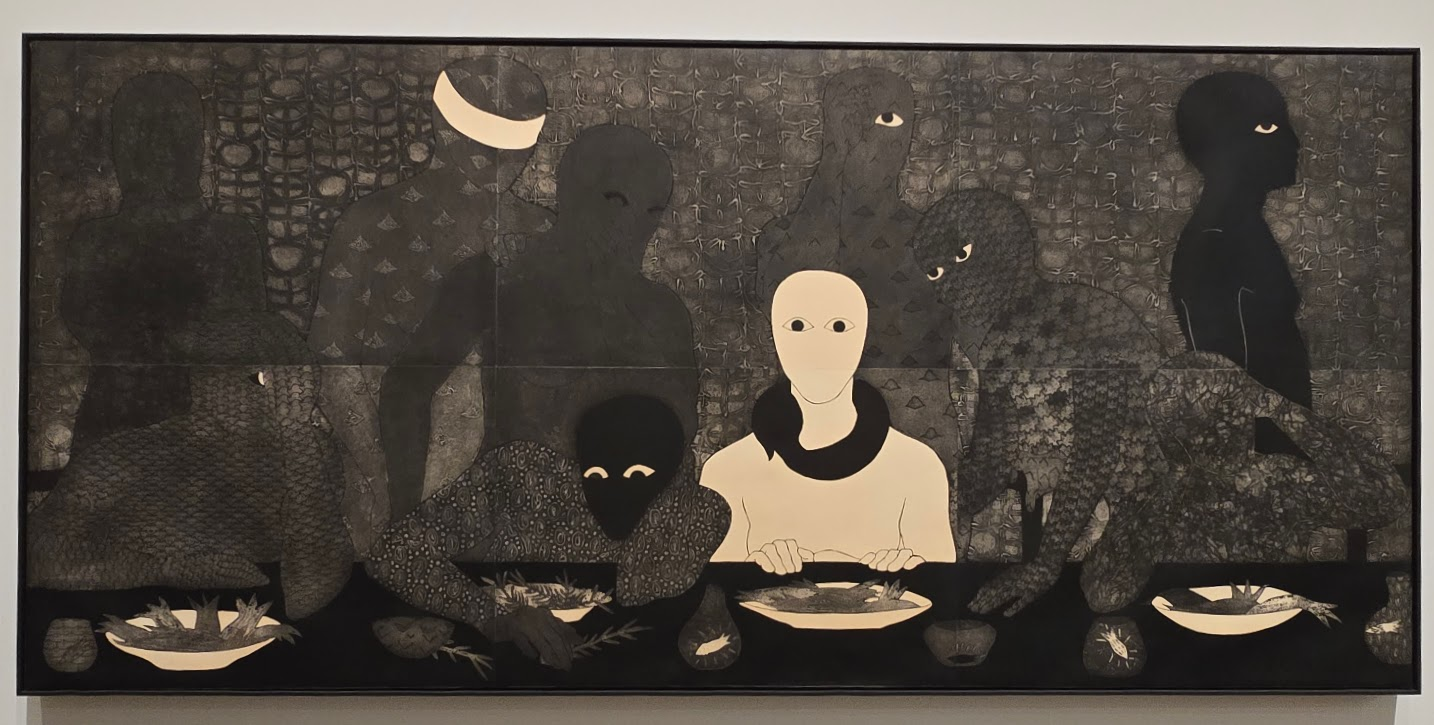
La Cena (The Supper, 1991)
6 collagraphs on paper, mounted on canvas
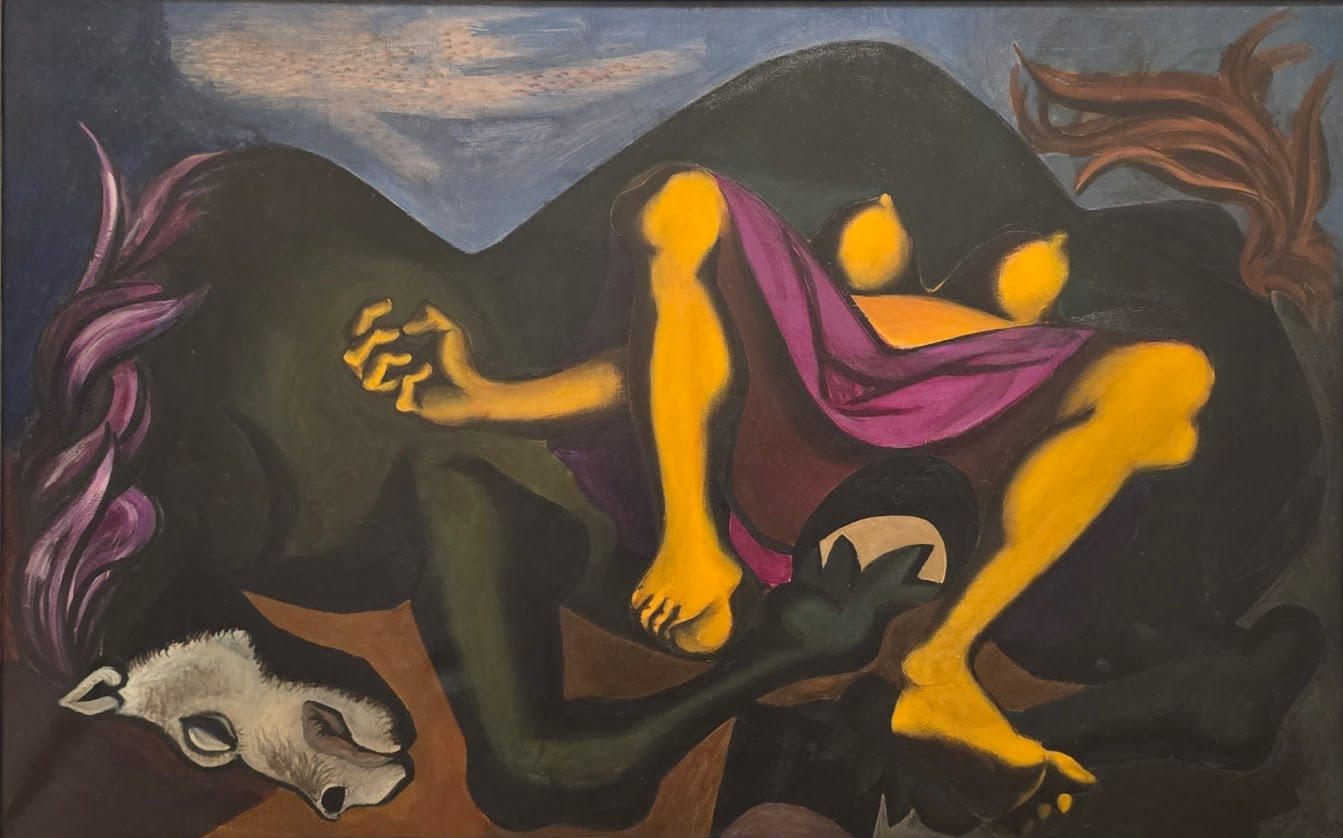
Martyred Spain (1937)
Francisco Franco’s rebellion against the elected left-wing government of Spain was seen as part of the wider threat posed by Fascism across Europe. Fougeron devoted much of his art to the cause. In this painting, the decaying body of a horse and a raped woman symbolise the innocent victims of a country devastated by conflict.
Fish and Chips at The Swan
Adjacent to Shakespeare’s Globe is The Swan. The fish and chips were perfect. A+
Romeo and Juliet at Shakespeare’s Globe
The seats at Shakespeare’s Globe are very uncomfortable, but the groundlings have to stand, so I can’t complain.
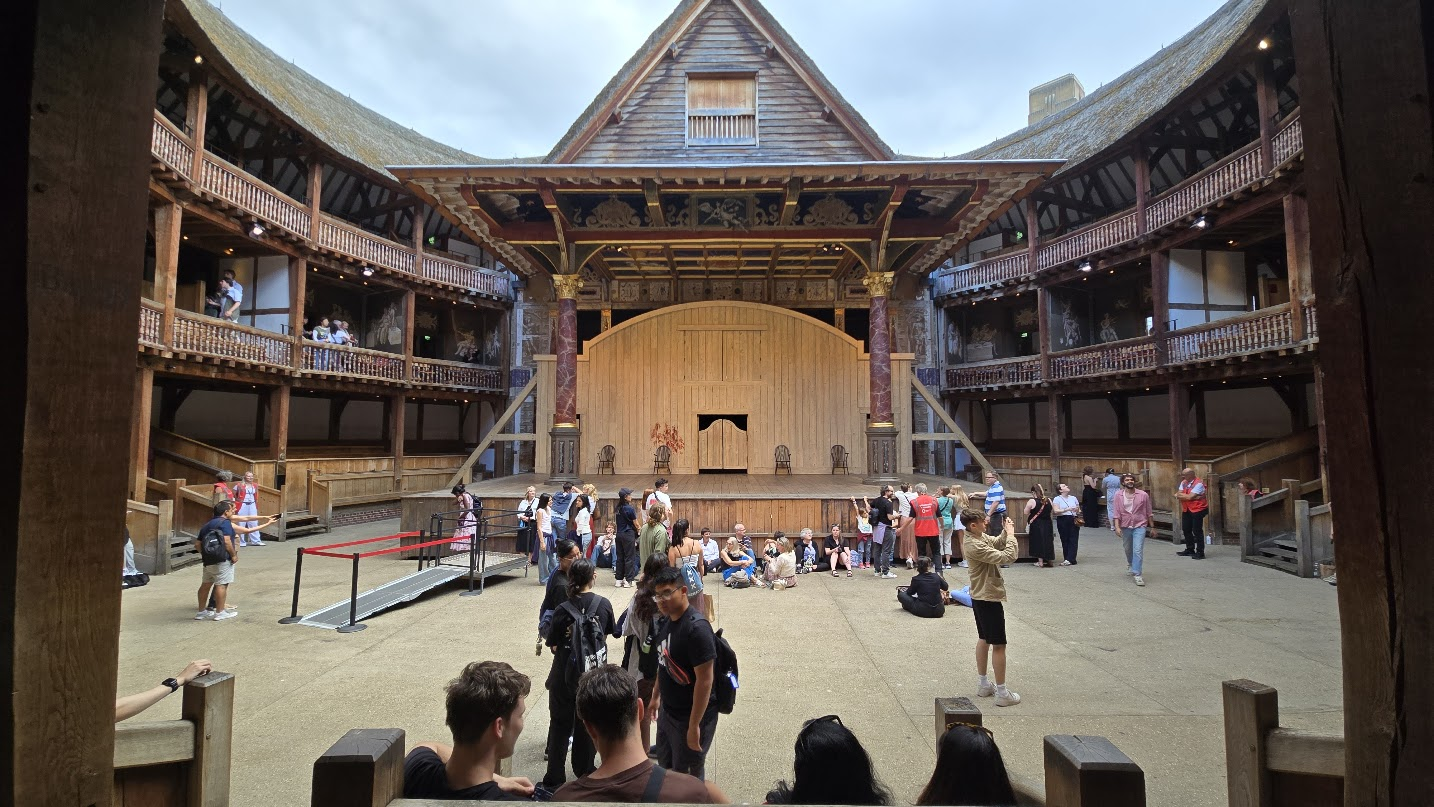
I loved this production, which set the play in the Wild West. The actors still used their British accents, which was a bit of a disconnect. They dueled with knives and pistols rather than swords. This is both a tragedy and a fun and funny play, and they made the most of both aspects. The two leads played up their youthful rebelliousness, edging on petulance. I enjoyed it a lot. A
Day Three
Westminster Abbey

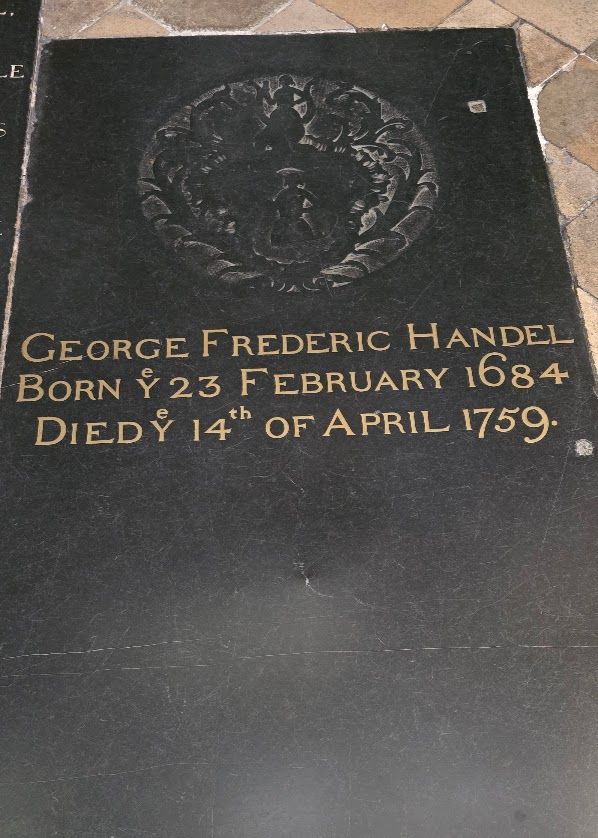
The most impressive thing about Westminster Abbey isn’t anything you can take a picture of. It’s the history. I took a verger tour (a verger is a non-ordained church official who serves as a caretaker and attendant, assisting the clergy) and learned a lot about the origins of the church, going back almost a thousand years. Many British monarchs are buried there: Edward the Confessor (the founder of the Abbey, who died in 1066), Henry III, Edward I, Edward III, Richard II, Henry V, Henry VII, Edward VI, Mary I, Mary, Queen of Scots, Elizabeth I, James I, Charles II, Mary II, William III, Queen Anne, and George II (in 1760; he’s the last). There’s also Poet’s Corner, honoring many of the nation’s great writers. A
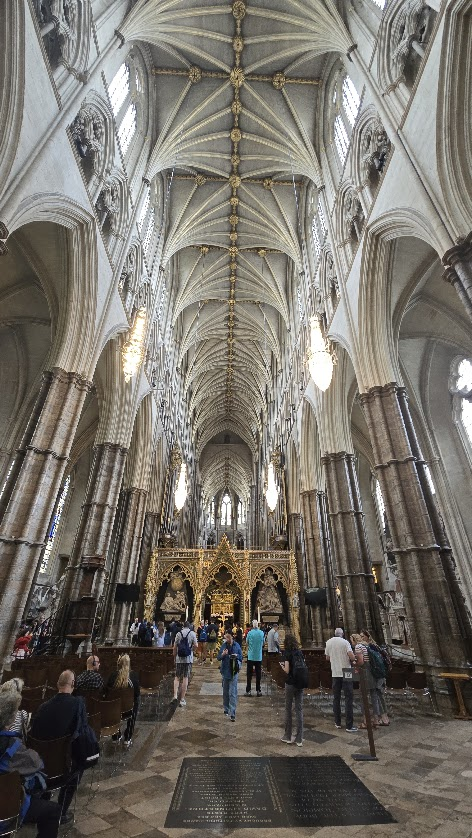

And some other famous people.
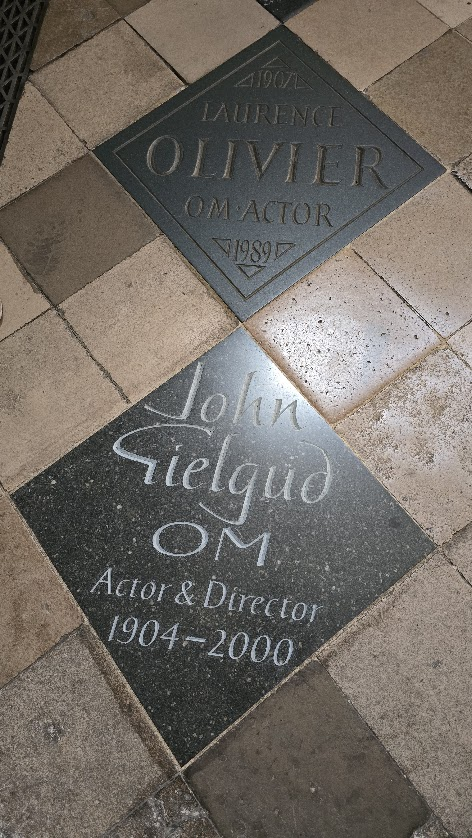
National Portrait Gallery
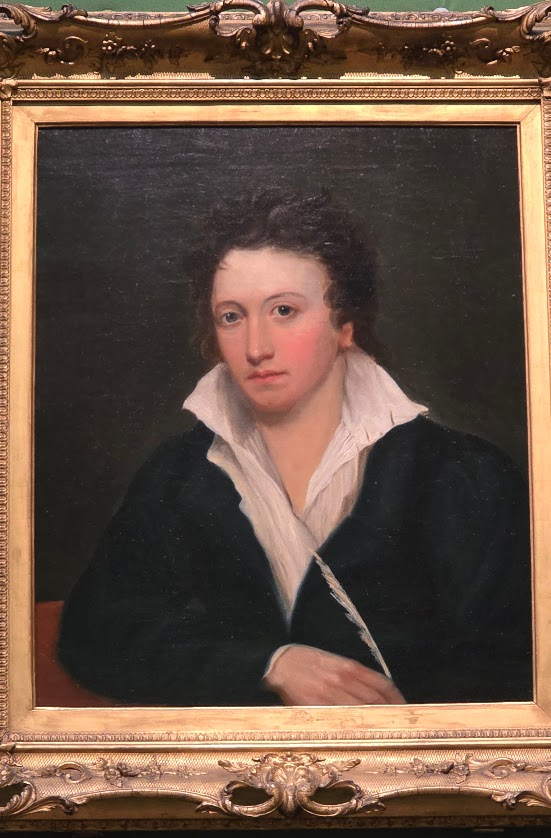
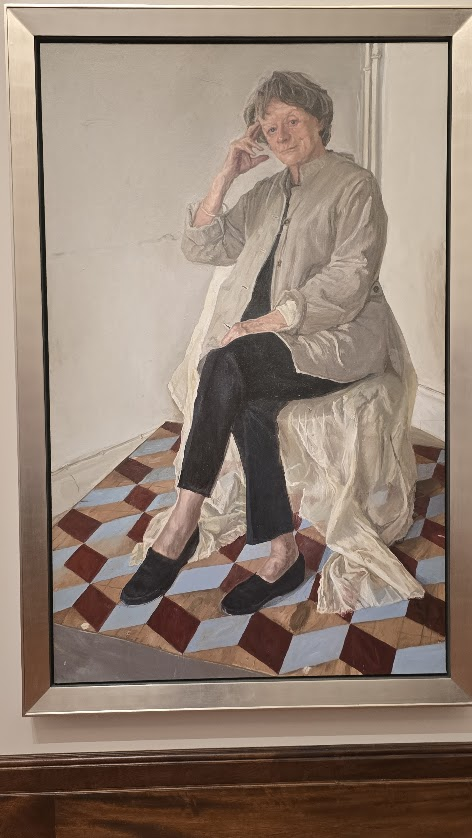
A lot of the portraits in the National Portrait Gallery are of British people you and I have never heard of. And let’s face it, portraits aren’t the most fascinating kinds of painting. In the pre-photography era, portraits were a means — the only means — of capturing a person’s likeness. So the artistry was mostly about accuracy, not beauty or aesthetic achievement. Most of the portrait painters aren’t artists I’ve ever heard of.
Still, there were some fascinating portraits, especially from more recent years. Once photography was available, portrait painters and sculptors could use their media to tell stories about their subjects that photographs don’t ordinarily capture. So for me, this museum was a bit of a mixed bag. B


Dinner at Dishoom
There are a number of locations of Dishoom in the UK. I ate there twice when I was in Edinburgh in 2023. This was by far the best meal I ate during my week in London. A+
Oliver! at the Gielgud Theatre
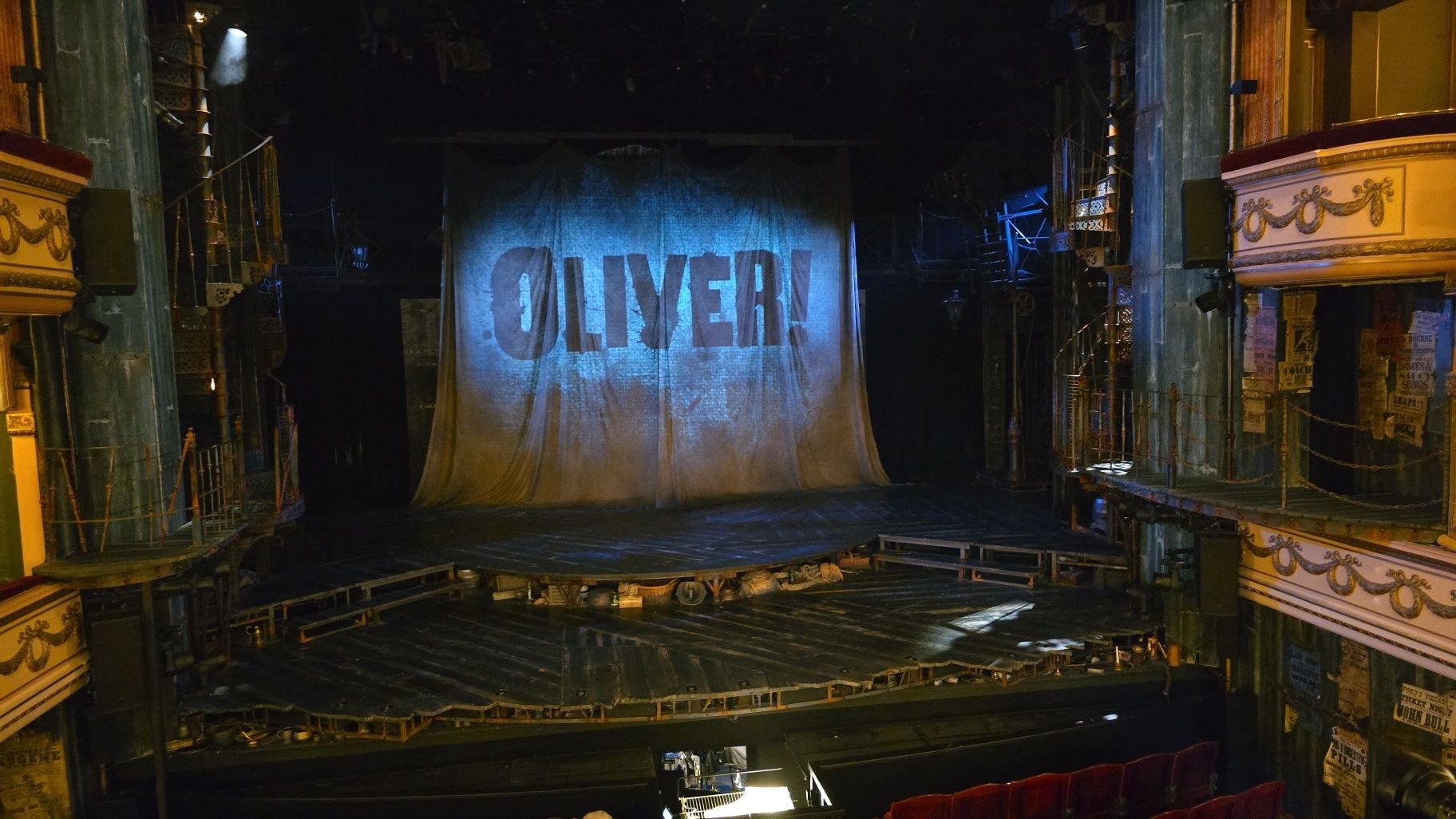
I love this show, and this was a great production, though the stage felt small and cramped, so even the big musical numbers (“Food, Glorious Food,” “Consider Yourself,” and “Who Will Buy”) didn’t feel as big as I would have liked. The cast was great, especially Nancy, whose rendition of “As Long As He Needs Me” was a showstopper (even if it is a tad cringeworthy). A-
Day Four
Breakfast at De Vine
I prebooked a visit to the Tower of London this morning, so I took the tube to Tower Hill and went to get breakfast at this top-rated place.

I’m not a fan of full English breakfast; I don’t want beans or a cooked tomato. So this was just right. And everything was cooked perfectly.
I did get a touch of diarrhea later in the day, so I have to make a slight deduction. B+
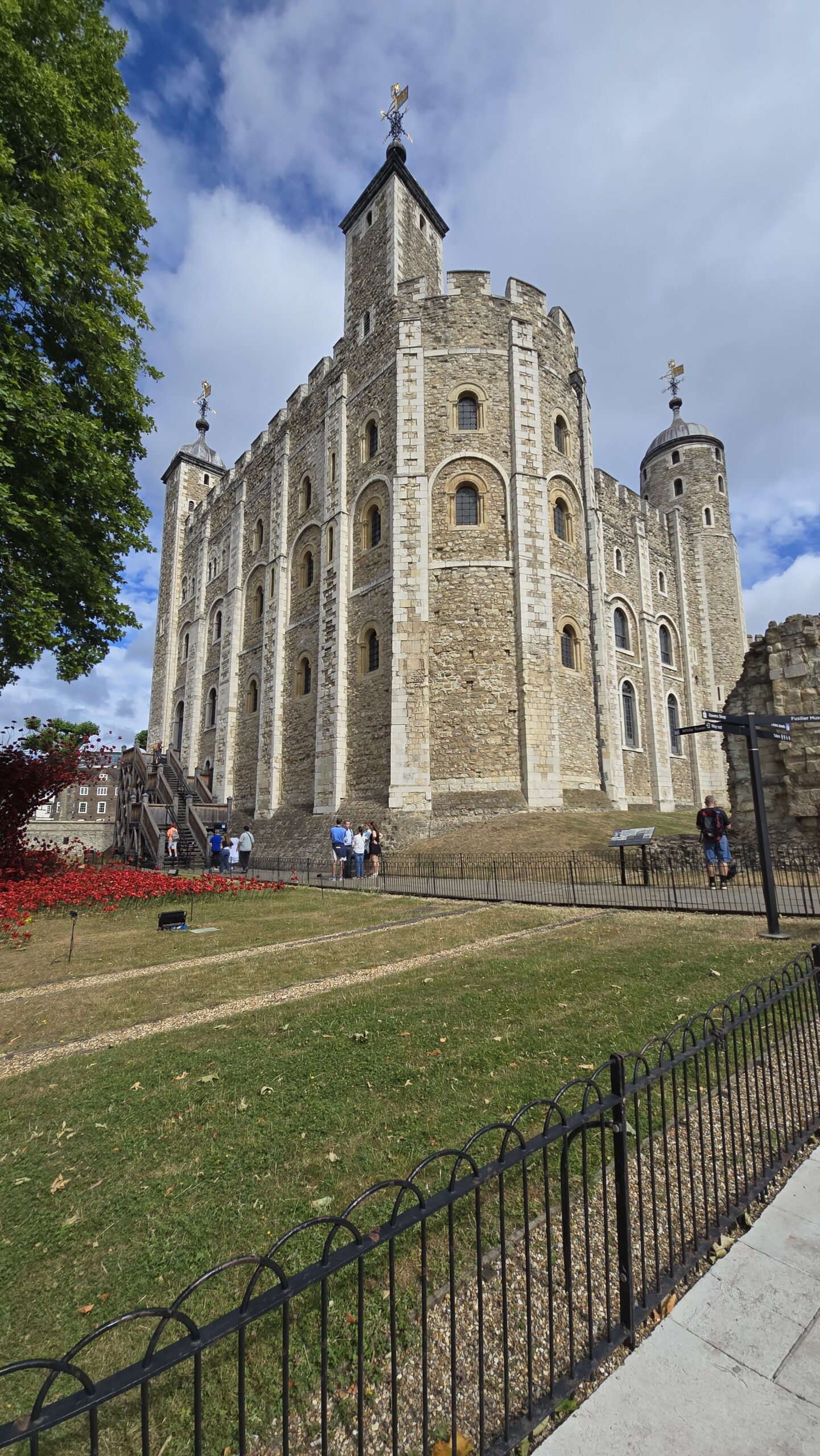
Tower of London
I spent a couple of hours at the Tower of London. I love history, but this felt so theme-parky that I didn’t really feel like I got a close encounter with the people who were imprisoned here. There are so many fascinating stories. I feel like I could have read about them and gotten just as much as I got by visiting. B-
Victoria & Albert Museum
It was warm this afternoon. I went to the V&A and it was beyond warm in the museum. It was hot. All the docents were sitting in front of fans. I started to feel ill. (This was about when the diarrhea started to kick in, but I would have been very uncomfortable anyway.) I only stayed about a half hour. I think I would have liked this museum if I could have stayed longer, but I can’t give it high marks. C+
Covent Garden
After dealing with my digestive issues back in my hotel room, I went to Covent Garden. I enjoyed this neighborhood. And my timing was perfect: I got there in time to experience the annual Rent Ceremony.
The annual Rent Ceremony takes place in the summer and as well as being a chance for a bit of fun, symbolically satisfies the requirements for the creation of a legal contract between the freeholder and the Trust.
Trustees are accompanied by the Town Crier, musicians and other local entertainers as they parade around Covent Garden’s Piazza, stopping at intervals so that a red apple and a posy of flowers can be handed over to representatives of the freehold. The Town Crier announces the event by ringing his bell loudly and ‘crying’ out that “Covent Garden Area Trust is paying its rent!”.
Last but not least, trustees ceremonially hand over the “peppercorn” rent of five red apples and five posies of flowers – a year’s ‘payment’ for the properties leased to the Trust.
It is a lovely, colourful, ceremony and anyone who happens to be in the Piazza at the time is welcome to join the parade and enjoy the event. The fruit and flowers are, of course, reminiscent of a time when they were actually sold in the market.
https://coventgardenareatrust.org.uk/covent-garden-rent-ceremony/
I wandered around the neighborhood (A-) and got a burger for dinner (B+) and an ice cream (A-).
Back to the Future at the Adelphi Theatre
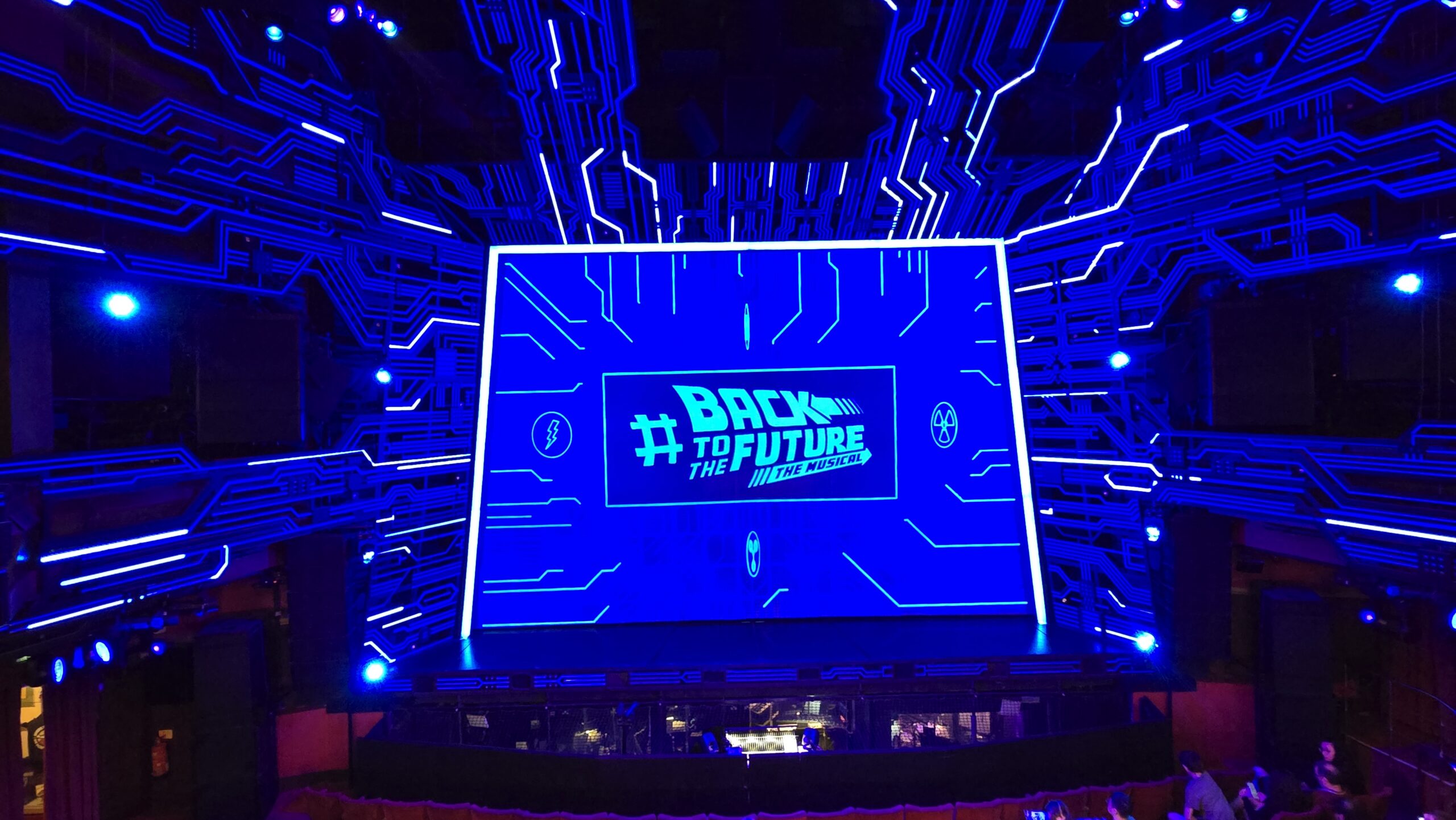
This was such a fun show! Some great songs (some not so great); lots of excellent dancing, and some of the best lighting, tech, and set design I’ve seen in any show. A
Day Five
Thames River Cruise
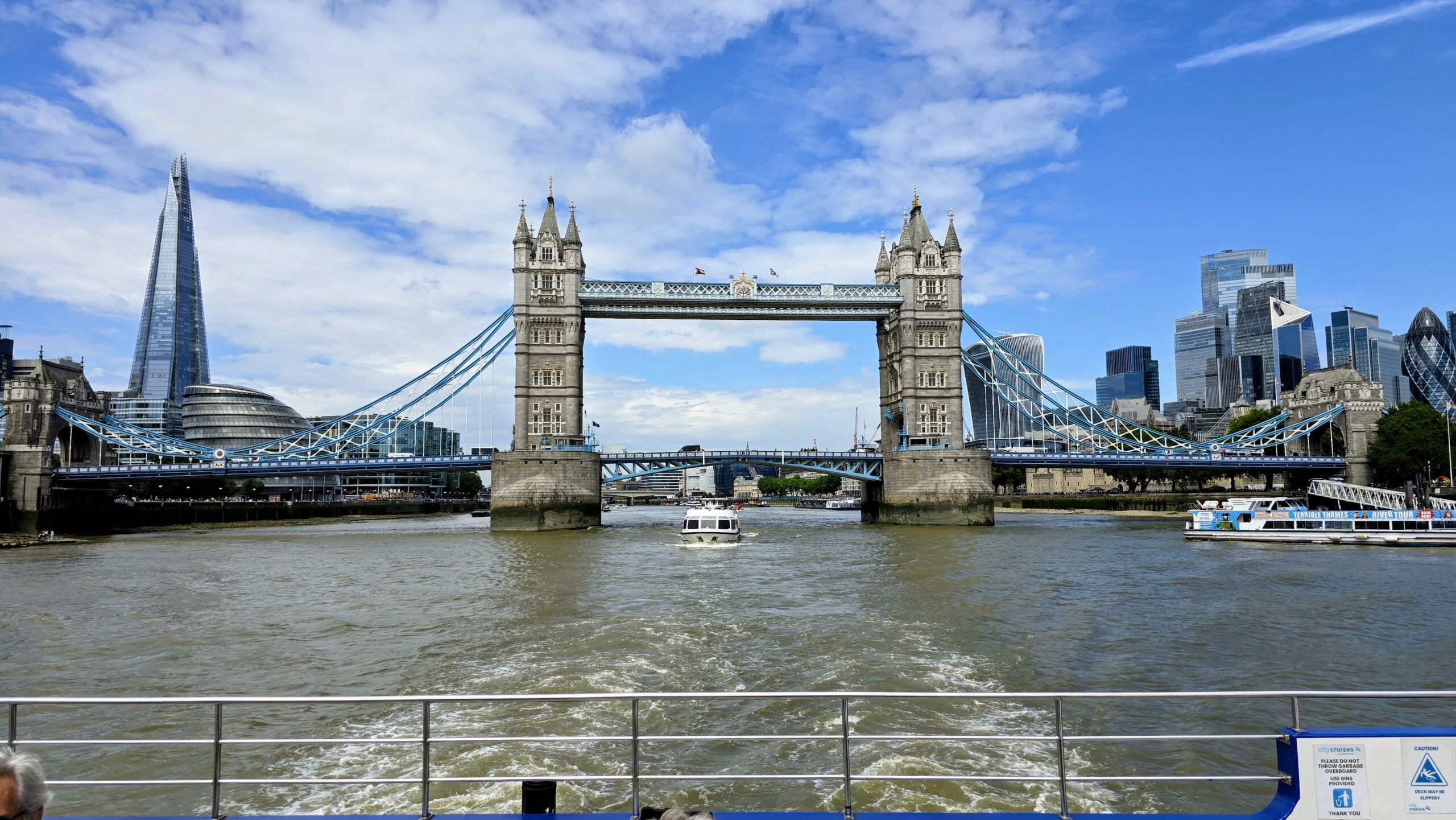
I enjoyed this ride from right next to my hotel to Greenwich. Some hokey narration by one of the crew members made it fun, even if he tried to tell us that WHARF is an acronym for “WareHouse Along RiverFront.” A-
Greenwich
I got to Greenwich in time for lunch, and I was craving another fish and chips. Jack the Chipper was disappointing, though. Not nearly as good as The Swan. French fries were soggy. B-
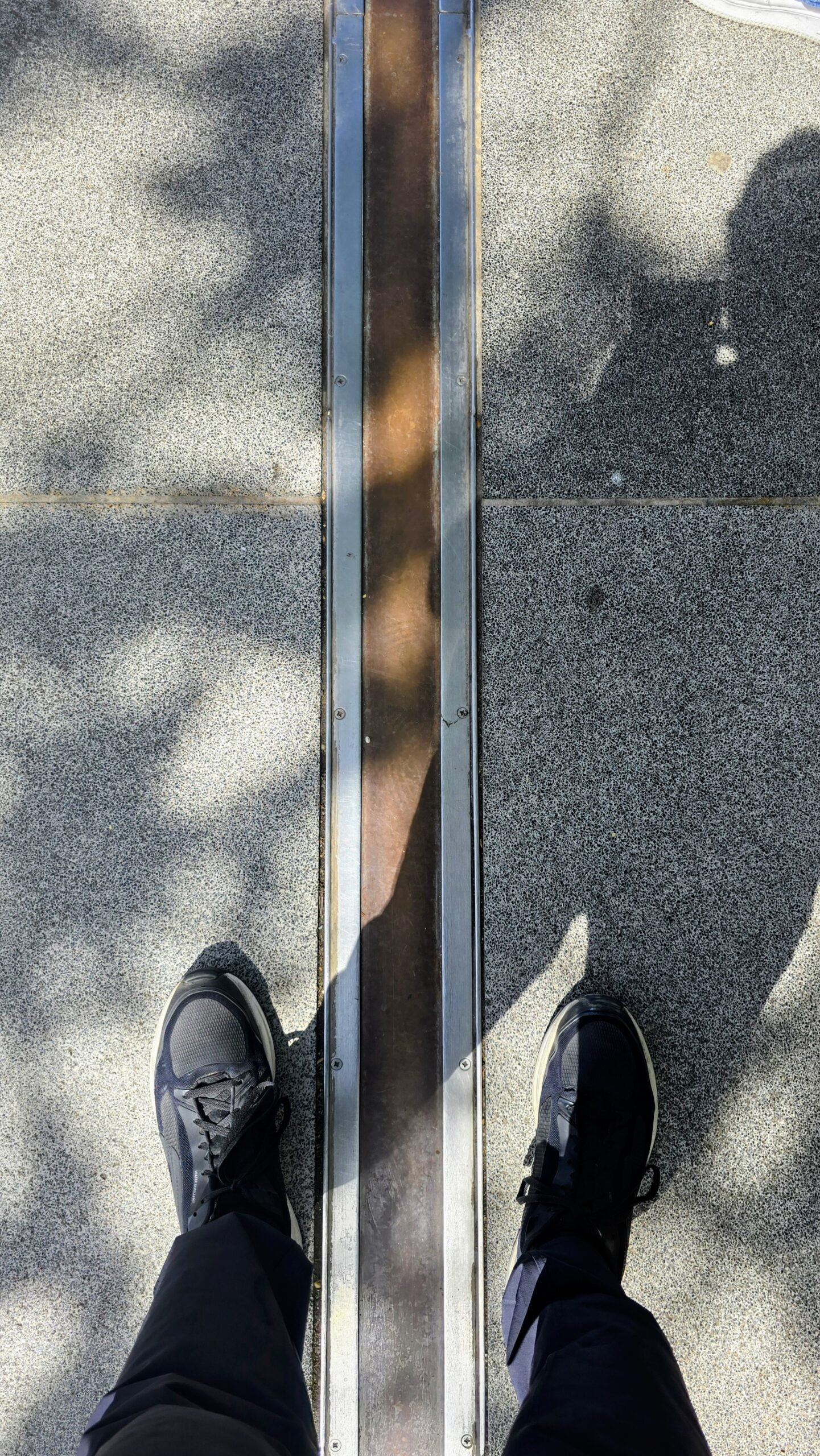
After lunch I walked around a little and then headed to the Royal Observatory, where I took an obligatory selfie standing on the Prime Meridian. I can now say I’ve stood in two different hemispheres three different times: North and South in both Ecuador and Kenya, and East and West in Greenwich.
Otherwise, the museum at the Royal Observatory didn’t thrill me. It was interesting to learn about the challenge of understanding and determining longitude, which was a problem for a long time. Whereas latitude is easy to determine by looking at the stars, longitude can only be determined by measuring time differences between locations. The problem led to shipwrecks, lost vessels and cargo, and extreme economic hardship for merchants and ship owners.
The British government issued the Longitude Act on July 8, 1714, offering a £20,000 prize (about £1.5m today) for a practical and useful method to determine longitude to an accuracy of half a degree. It took almost 50 years for John Harrison, a carpenter from Yorkshire and an amateur clockmaker, to develop a clock that kept accurate time on a sailing vessel. His four versions are on display at the Observatory. But looking at them didn’t really shed any light on how they worked.
Once again, I feel like I could have learned as much or more by reading about it. B-
British Library
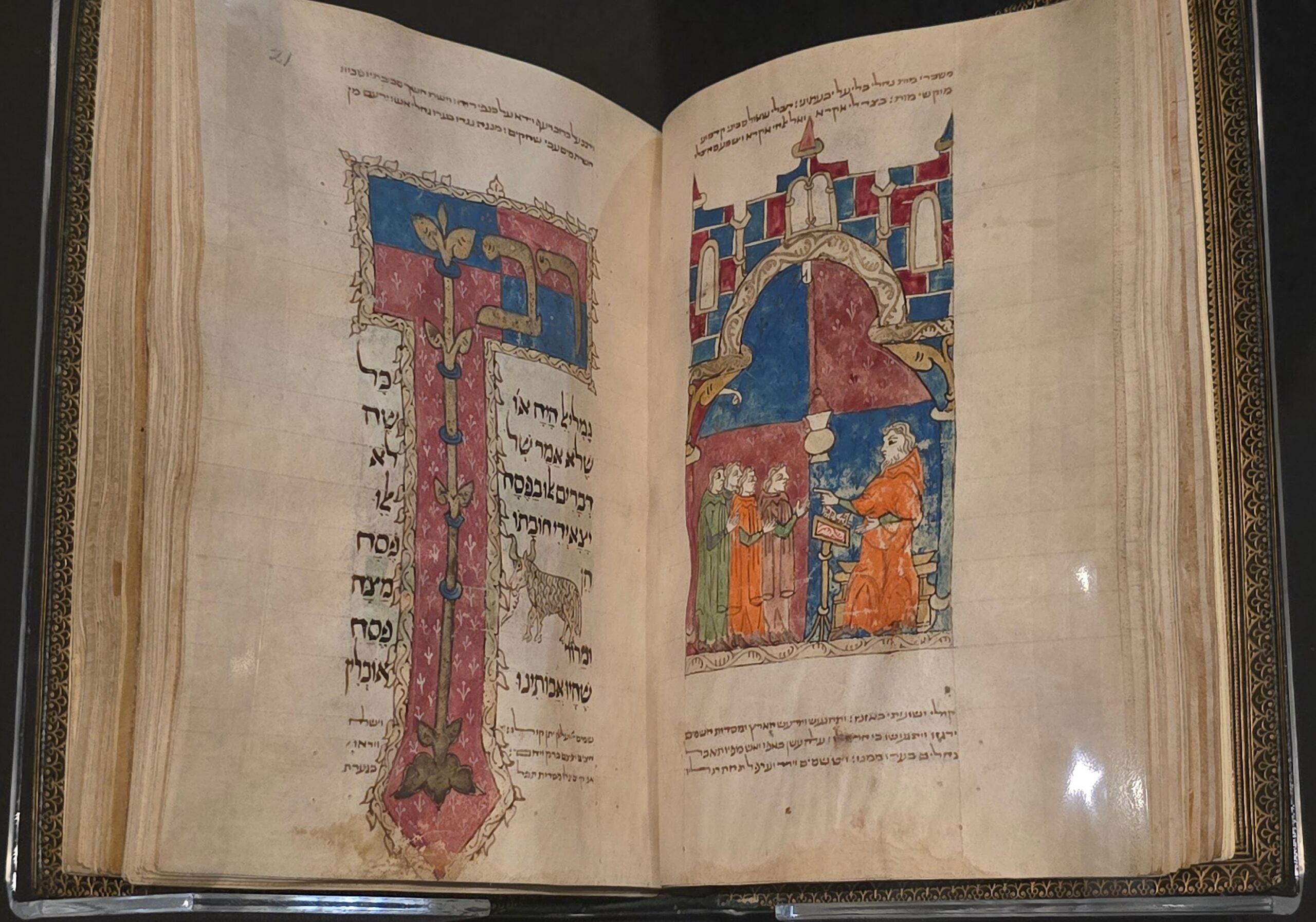
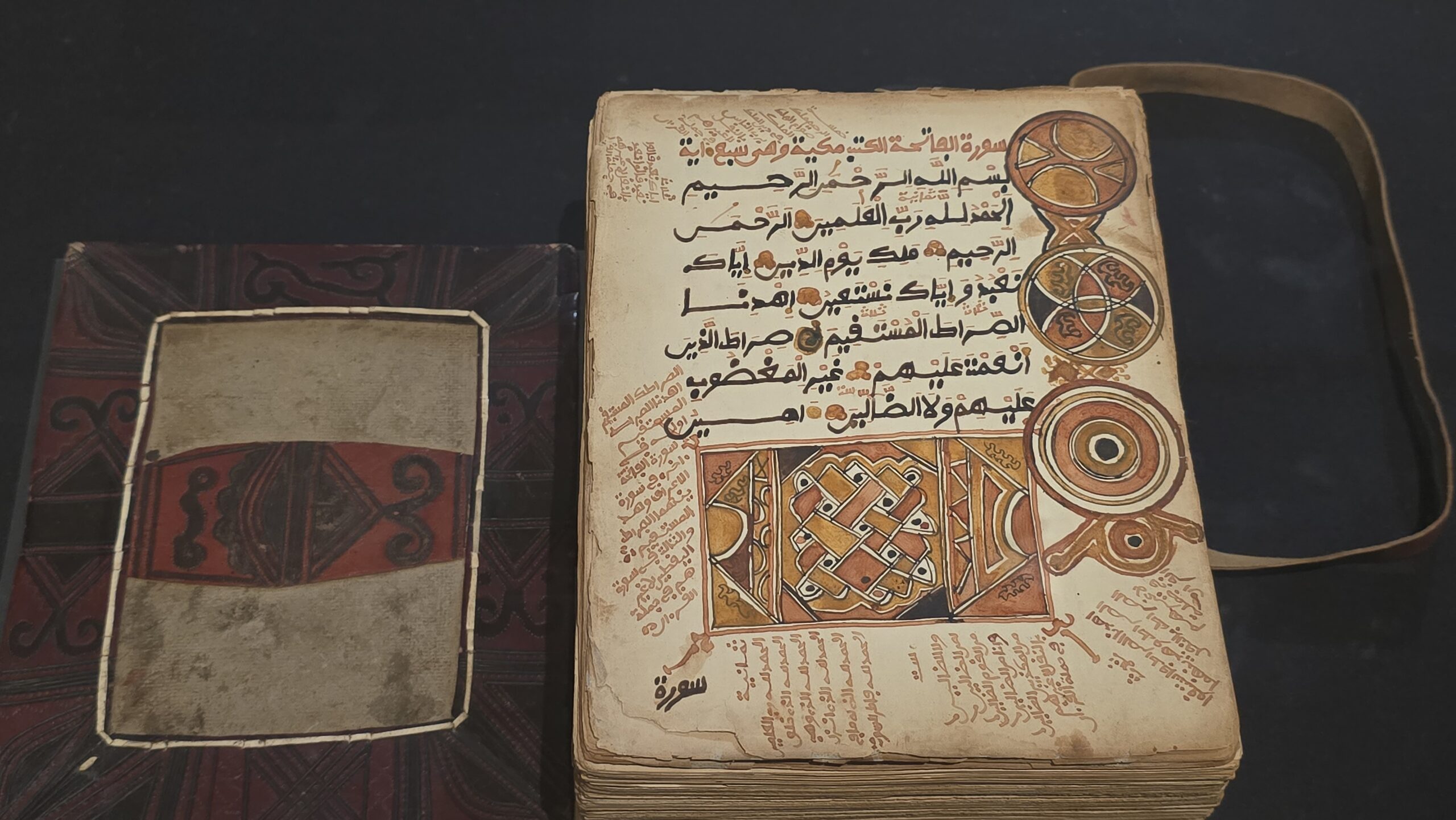
The Treasures of the British Library are interesting, and some of them are magnificent. B+


St. Pancras
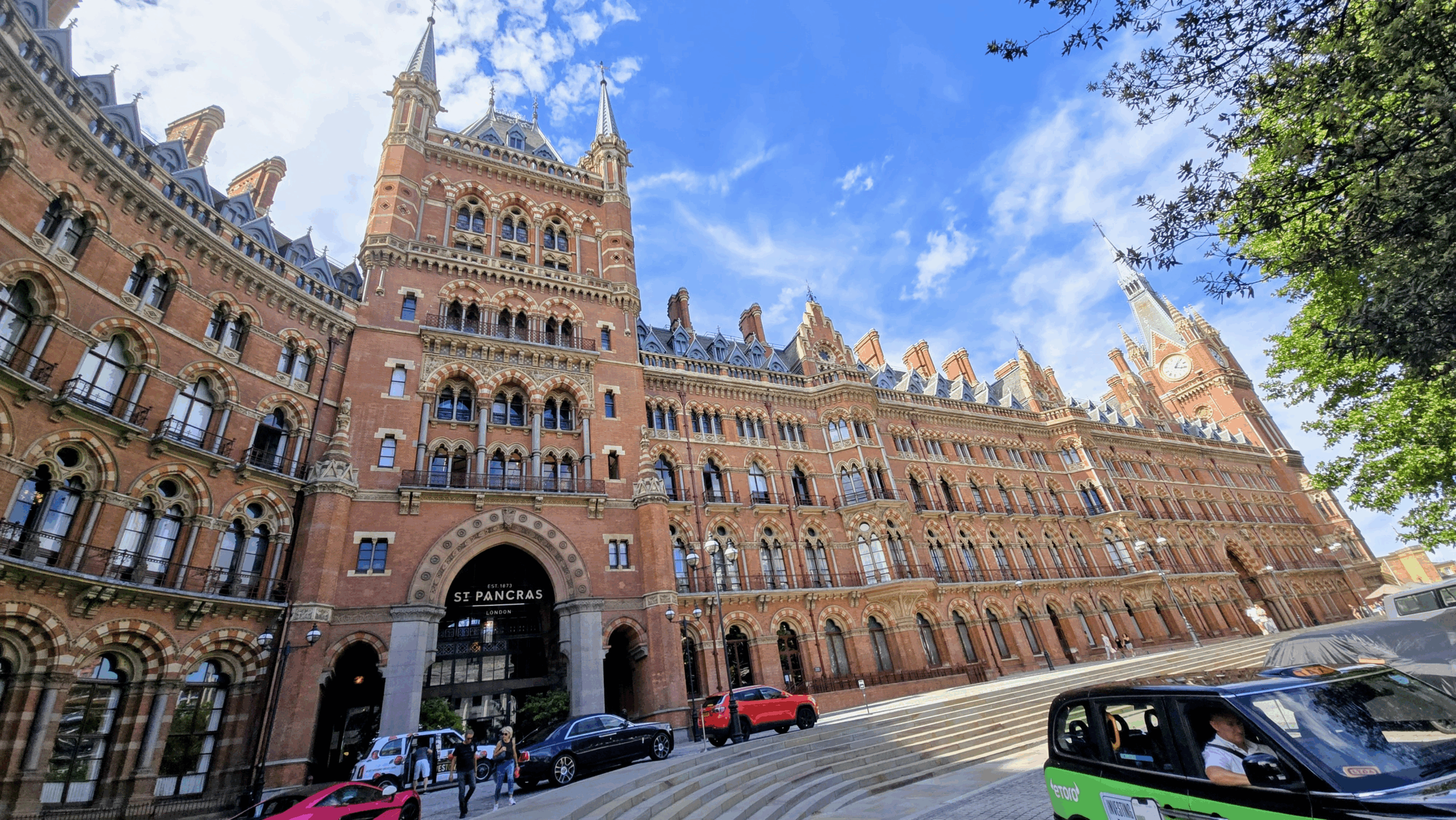
On the way back to the Underground I passed by St. Pancras, a very beautiful train station. In addition to the Victorian facade, there is an interesting sculpture inside. Nine meters high, it depicts a couple, modeled on sculptor Paul Day and his wife, locked in an amorous embrace. Unveiled in 2007, it is titled “The Meeting Place” and is meant to depict the romance of travel. Around the base is a bronze frieze with various scenes of railroad workers and passengers. This was my favorite part; apparently it was added later.
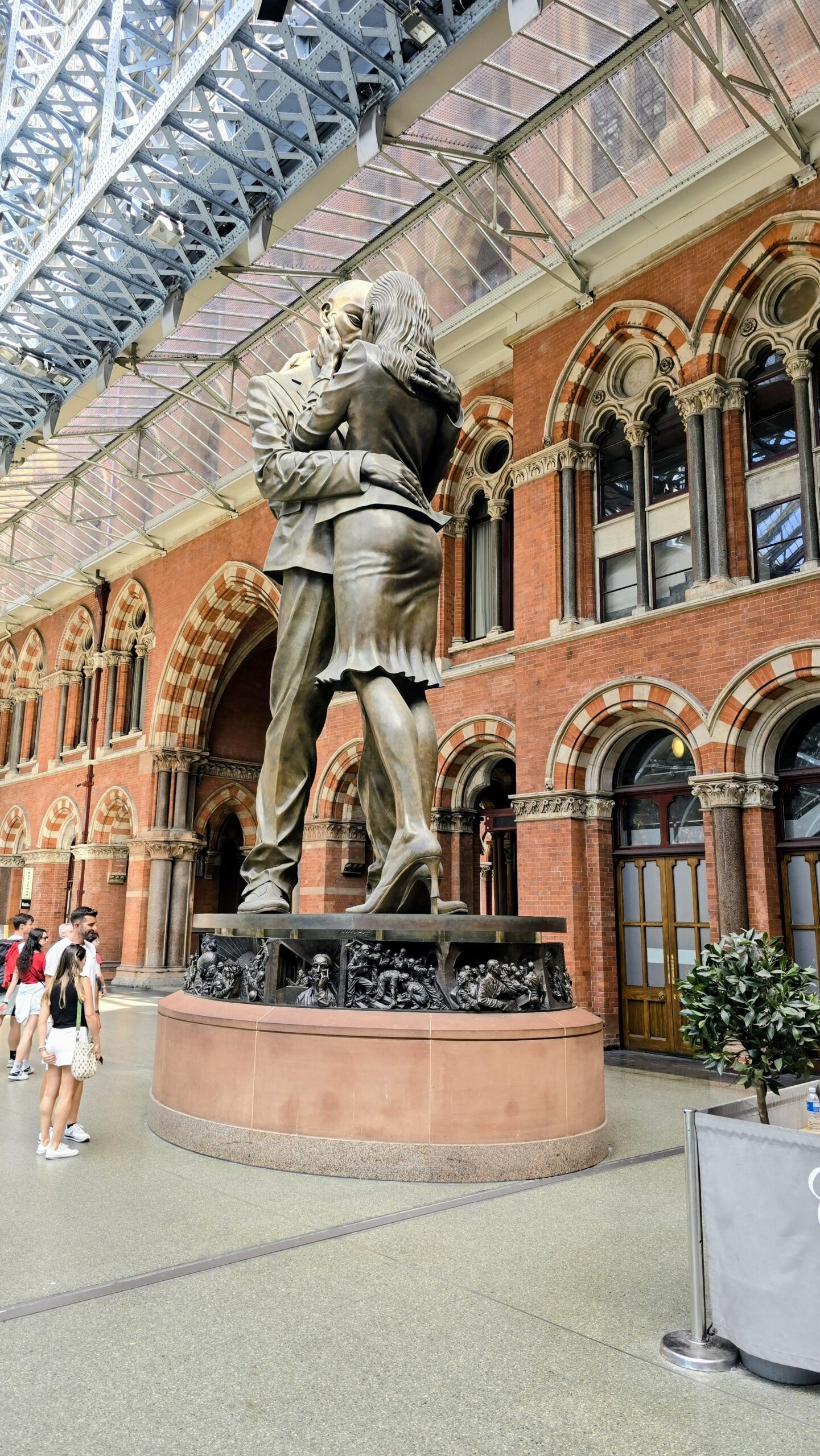


Although art critics hated the sculpture (one said it is a “terrible, schmaltzy, sentimental piece of kitsch”), it is popular with the public.
Overall I give the station an A.
Day Six
Palace of Westminster
I started my last day in London with a visit to the Palace of Westminster, home to the British Parliament. It was a tour by audioguide, and photos were allowed only in the first few rooms, not at all in the chambers where the Houses sit.
The Palace is filled with beautiful artwork and practically reeks of history. Just about every monarch and every Prime Minister is on display as a painting or mural or statue. But you’ll just have to take my word for it.
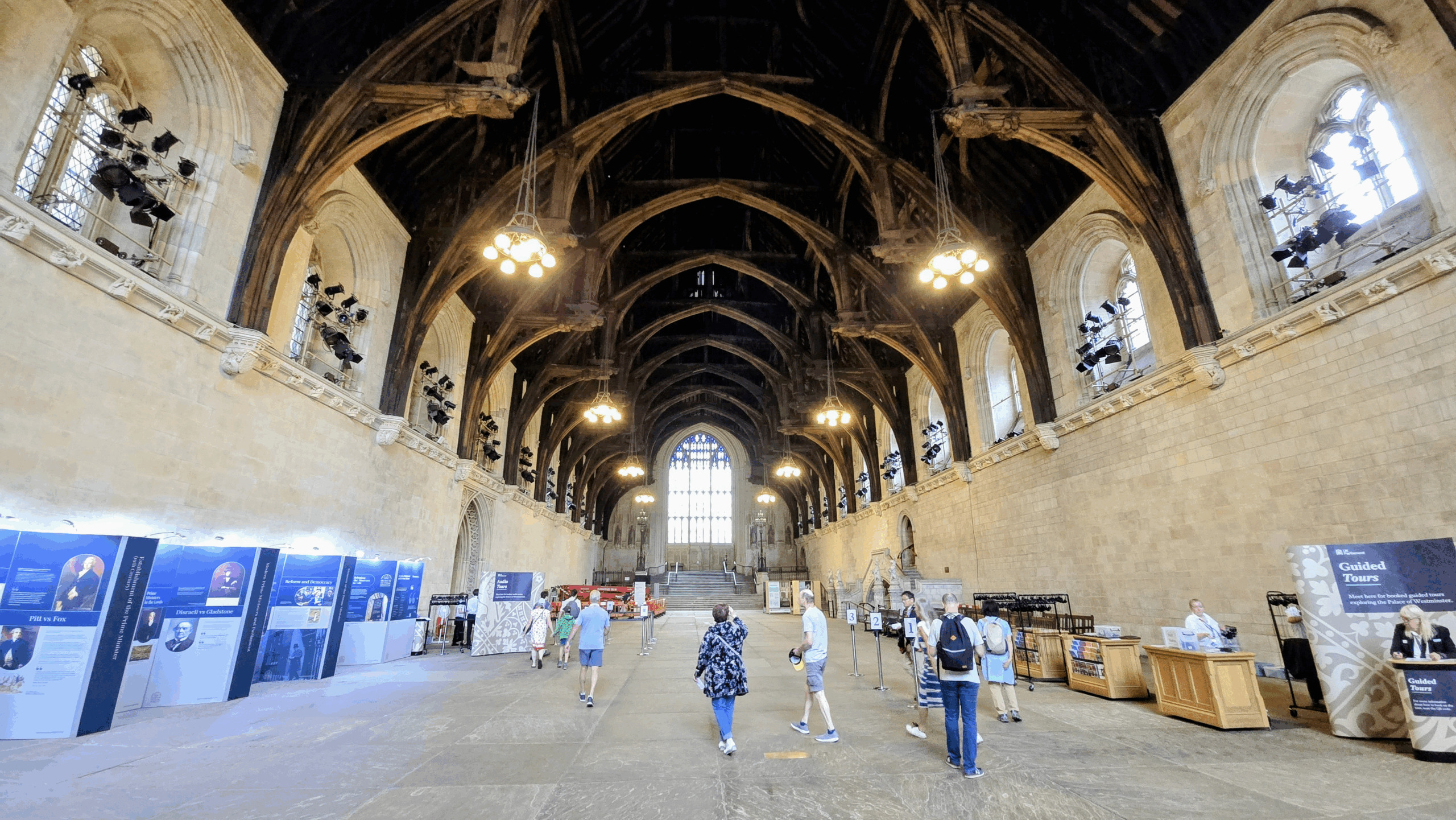
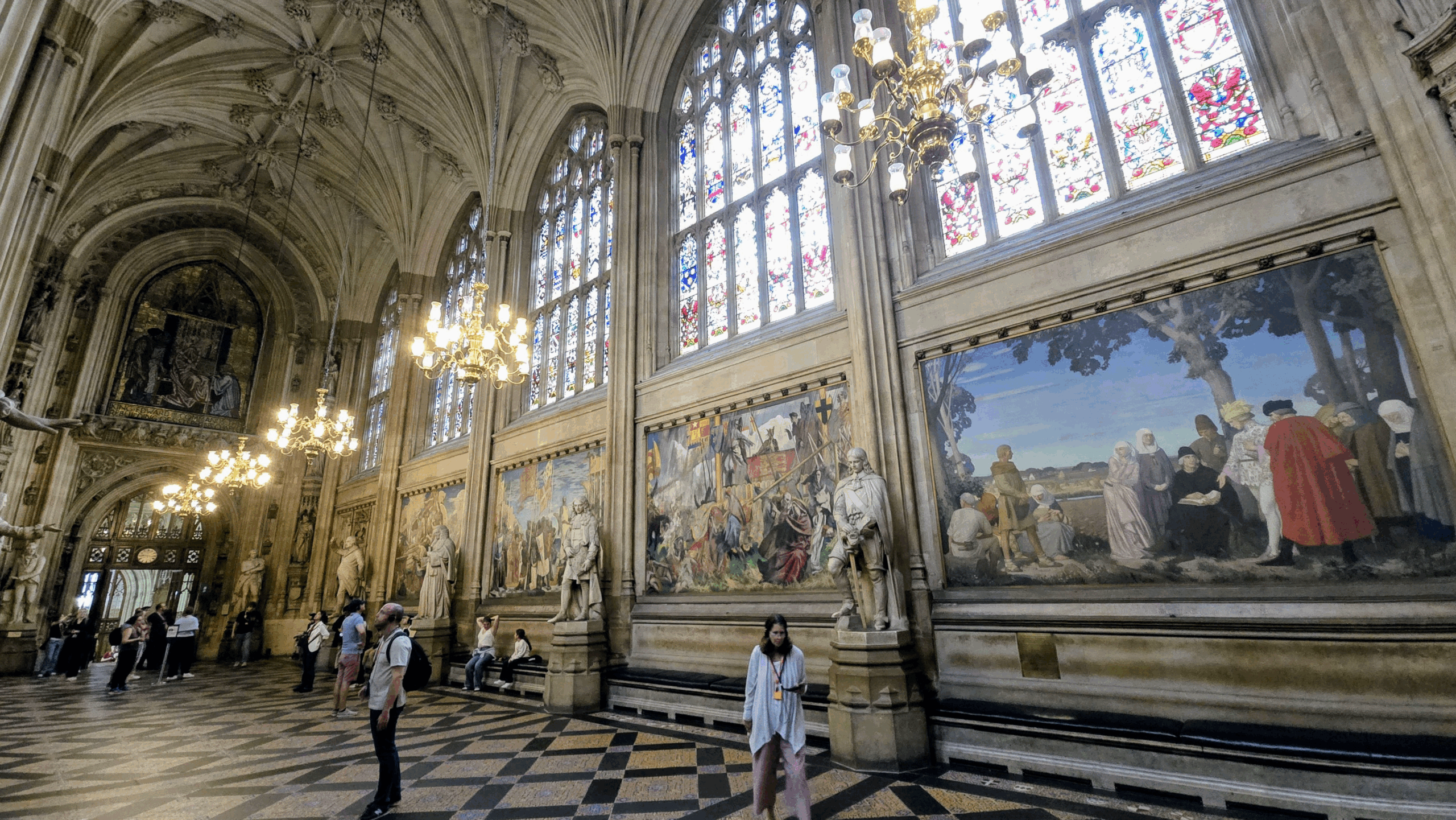
One thing I learned is how voting is done in the British Parliament. Whoever is presiding asks the members to call out whether they agree or not. If the result is clear, he or she announces the result of the vote. If not, a Division is called. Everyone leaves the chamber and goes into one of two hallways or “lobbies.” In the House of Commons, these are called the Aye and No lobbies. In the House of Lords they are the Content and Not Content lobbies. For those who are not in chambers, bells ring throughout the parliamentary estate so they can gather for the Division.
It became very clear by this point in my visit to London that ceremony and tradition weigh heavily in the political life of the United Kingdom.
I give the Palace of Westminster a B+. They need to allow photos in more areas of the Palace.
Arôme
I didn’t have any breakfast before my Parliament tour, so I went to a bakery I’d read about to get something to eat. Arôme was a bit of a walk, back to Covent Garden, and there was a line, but it was worth it. If it’s not the best bakery in London, there must be a pathway to a bakery in heaven, maybe adjacent to Platform 9¾ at King’s Cross Station. If it’s not the best bakery in the world… Well, it probably is. I should have taken pictures, but I was too busy ogling and trying to keep my tongue inside my mouth. A+
Basingstoke
As I was making plans for my trip, I wanted to see if I could attend a performance by the Academy of St Martin in the Fields, one of my favorite orchestras. It turns out they were doing a concert with the Royal Choral Society at the Anvil in Basingstoke, about 45 minutes from London by train. So I got a ticket.
I went to dinner at a Turkish restaurant when I got to Basingstoke. There were a few Turkish restaurants in the town, so I asked the host when he seated me if there were a lot of Turkish immigrants living in Basingstoke. He said no. (He, in fact, was Armenian.) But after dinner (which was a B) and before the concert, I went for a walk around town, and I passed no less than six Turkish barber shops.
The concert was wonderful. The orchestra played Mendelssohn’s Hebrides Overture, which is one of my favorite orchestral works, and they they did a rather dull Mendelssohn piece called “Hear My Prayer” with chorus and soprano soloist. The main work was Brahms’s Ein Deutches Requiem. Except for two brief moments where the tenors weren’t watching and got out of sync, it was a wonderful performance. A
It seemed like half the chorus and half the orchestra were on the train with me back to London. I chatted with one chorus member, who dissed the tenors for not watching.
Other London Observations
No one in London seems to know whether to walk on the left or on the right. Of course this is because they drive on the left, and because there are many visitors who are accustomed to keeping to the right. There are painted signs on the pavement at every intersection telling you which way to look before you cross. And on many staircases, there are signs telling you whether to walk on the left or on the right. But it’s not consistent. As a result, pedestrian traffic is a mess when there’s even just a slight crowd.
Air conditioning is not prevalent. Theatres and hotels are air conditioned, and some (but not most) restaurants. News alert: it can get hot in London!
London mostly burned down in 1666. So there’s very little architecture from before that. Lots of Victorian stuff. But for me, London just doesn’t have the visual appeal of my favorite European cities. I spent 11 days in Rome last year and hated to leave. And a week in Barcelona this past March: same. But even though there’s a lot of London I didn’t see (I never made it to the British Museum, and I know there are many more art galleries, charming neighborhoods, local markets, and other points of interest), I was ready to go. And I’m not particularly eager to go back and see those other things. I give London a solid B.
It took me a lot longer to sum up my week in London than I thought it would. It’s now Monday night, 10:30. I’m sailing on board the Hurtigruten vessel Richard With. I got to Bergen, spent the night, enjoyed the day, and now heading up the coast. Looking forward to enjoying some beautiful scenery and to crossing the Arctic Circle for the first time.
Thanks for reading.
Kevin McQuade
Thanks for the London overview. I think your assessment is fair and objective. I am a theatre person, so I recognize that I am incapable of being objective about this wonderful city. As with NYC, you can see tons of theatre at all levels, from the West End fare to the RSC to the Globe to lesser known semi-pro and even amateur productions and still fail to see everything you’d like to see. The culinary scene in London has improved over the years, but it is still not the foodie destination at which many other cities excel.
Tammy Vig
We spent 11 nights in London. I haven’t been to Rome, but was not ready to leave London. We thought it was a beautiful city (we love the quirky buildings and the names the locals have for them, like Cheese Grater and Walkie Talkie). And hey, big points for speaking English! Makes it easy. To each his own. We hope to go to Rome next year.